
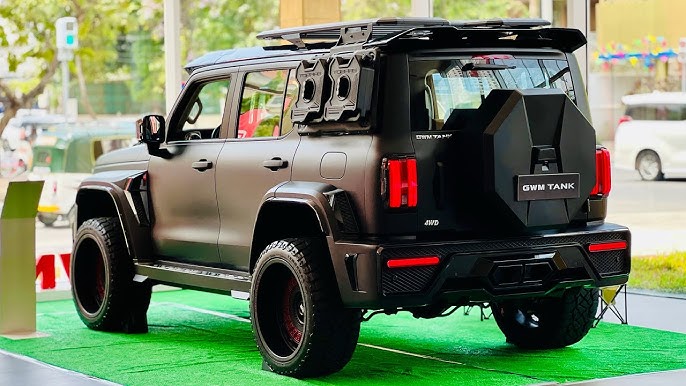
Customizing a Tank SUV is an excellent way to improve its performance, appearance, and off-road capability. However, modifications should always be planned carefully. Rushing into upgrades or choosing incompatible components can lead to poor performance, unnecessary expenses, and reduced reliability. Understanding the most common modification mistakes helps owners build a vehicle that performs well in every driving situation.
Before purchasing aftermarket parts, reviewing professionally built Modified Tank projects can provide valuable insight into balanced upgrades that improve capability without creating avoidable problems.
Modifying Without a Clear Plan
One of the biggest mistakes is buying accessories without first deciding how the vehicle will be used.
Before starting your build, consider whether the vehicle is intended for:
- Daily commuting
- Weekend off-road driving
- Overlanding
- Long-distance travel
- Mixed road and trail use
A clear objective helps prioritize upgrades that deliver practical benefits.
Choosing Low-Quality Parts
Budget-friendly components may seem attractive initially, but poor-quality parts often wear out faster and may not perform reliably under demanding conditions.
Investing in quality components offers:
- Better durability
- Improved safety
- Longer service life
- Greater reliability
- Stronger manufacturer support
Choosing reputable products can reduce long-term maintenance costs.
Installing Oversized Tires Without Proper Planning
Larger tires improve ground clearance and traction, but they must be compatible with the vehicle.
Oversized tires may cause:
- Tire rubbing
- Reduced steering performance
- Increased fuel consumption
- Additional stress on suspension components
Always verify clearance, suspension compatibility, and wheel offset before upgrading.
Ignoring Suspension Geometry
Installing a lift kit without correcting suspension geometry can negatively affect handling and tire wear.
After suspension modifications, ensure you:
- Perform a professional wheel alignment.
- Check steering angles.
- Inspect suspension travel.
- Verify tire clearance.
Proper adjustments help maintain safe and predictable handling.
Overloading the Vehicle
Adding multiple accessories without considering their combined weight is another common mistake.
Heavy additions may include:
- Steel bumpers
- Winches
- Roof racks
- Recovery equipment
- Camping gear
Excessive weight can reduce fuel efficiency, increase suspension wear, and affect braking performance.
Neglecting Brake Upgrades
Larger tires and additional weight require more stopping power. Many owners overlook the importance of upgrading the braking system.
Consider improving:
- Brake pads
- Brake rotors
- Brake fluid
- Brake lines
Reliable braking is essential for both on-road safety and off-road control.
Ignoring the Electrical System
Modern off-road accessories place additional demand on the vehicle’s electrical system.
Common additions include:
- LED light bars
- Winches
- Air compressors
- Refrigerators
- Charging stations
Without proper wiring or battery upgrades, electrical issues may develop over time.
Focusing Only on Appearance
Visual upgrades can enhance the vehicle’s style, but they should not come at the expense of functionality.
Instead of selecting accessories based only on appearance, prioritize modifications that improve:
- Performance
- Safety
- Durability
- Comfort
- Practicality
A balanced build typically provides greater long-term satisfaction.
Skipping Regular Maintenance
Modified vehicles require more frequent inspections than factory-standard models.
Routine maintenance should include:
- Checking suspension components
- Inspecting tires
- Monitoring fluid levels
- Examining brakes
- Tightening accessory mounting hardware
Regular servicing helps identify small problems before they become expensive repairs.
Overlooking Local Regulations
Some modifications may not comply with local vehicle regulations.
Before making significant changes, research rules regarding:
- Lift heights
- Tire sizes
- Lighting
- Window tint
- Exhaust noise
Following local laws helps avoid fines and registration complications.
Trying to Do Everything at Once
Many first-time owners attempt to complete every modification immediately. This often leads to unnecessary spending and makes it difficult to evaluate the effectiveness of individual upgrades.
A phased approach allows you to:
- Stay within budget
- Learn how each upgrade performs
- Prioritize future improvements
- Maintain better overall reliability
Building gradually often produces better results than making every modification at once.
Conclusion
Avoiding common modification mistakes is essential for creating a reliable and capable Tank SUV. By planning your upgrades carefully, choosing quality components, maintaining proper suspension geometry, supporting performance improvements with regular maintenance, and following local regulations, you can build a vehicle that performs confidently both on the road and off the beaten path. A thoughtful approach ensures every modification adds genuine value while preserving the long-term reliability of your Tank SUV.