
Sprinklers are designed to provide reliable irrigation over extended periods, but regular maintenance is necessary to keep them operating effectively. Without proper care, issues such as clogged nozzles, leaks, uneven coverage, and damaged components can reduce performance and increase water consumption.
Following recommended maintenance practices can help extend equipment life and support consistent operation. Whether the system is used for agriculture, landscaping, or other applications, understanding maintenance requirements from a Sprinkler Manufacturer can help users protect their investment and maintain better irrigation results.
Inspect Sprinklers Regularly
Routine inspections are one of the simplest ways to identify problems early. A quick check of the irrigation system can reveal issues before they affect a large area.
During inspections, look for:
- Broken or damaged sprinkler bodies
- Leaking connections
- Uneven spray patterns
- Blocked nozzles
- Reduced water pressure
- Misaligned sprinkler heads
Regular observation allows small problems to be corrected before they become major maintenance concerns.
Clean Sprinkler Nozzles
Nozzles play a key role in controlling water flow and distribution. Over time, dirt, sediment, minerals, and other particles may block the nozzle opening.
A clogged nozzle can change the spray pattern and reduce coverage. Cleaning nozzles carefully helps restore normal water distribution and prevents uneven irrigation.
Check for Water Leaks
Leaks can waste significant amounts of water and reduce system efficiency. They may occur around pipe connections, seals, fittings, or damaged sprinkler components.
Inspect the system while it is operating and check for unusual water flow around connection points. Repairing leaks promptly helps maintain proper pressure and reduces unnecessary water loss.
Monitor Spray Performance
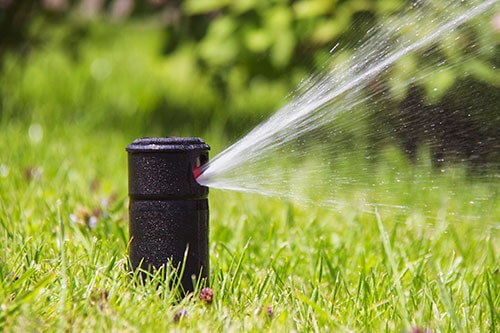
A sprinkler should distribute water according to its intended pattern. Changes in spray direction, distance, or coverage may indicate an underlying issue.
If one area receives noticeably more or less water than before, investigate possible causes such as:
- Blocked nozzles
- Pressure changes
- Damaged components
- Incorrect alignment
- Worn internal parts
Early detection can help maintain balanced irrigation.
Maintain Proper Water Pressure
Correct pressure is essential for efficient sprinkler operation. Too little pressure can reduce coverage, while excessive pressure may cause misting and uneven application.
Monitor pressure conditions periodically, especially if the system shows changes in performance. Pressure problems may come from leaks, blocked filters, pump issues, or changes in water supply.
Clean and Check Filters
Filters help prevent particles from entering sprinkler components. Over time, filters can become blocked and restrict water flow.
Cleaning filters according to the system’s requirements helps maintain consistent pressure and reduces the risk of clogged nozzles or internal damage.
Inspect Moving Parts
Some sprinkler systems contain rotating or adjustable components. These parts may experience wear after repeated operation.
Check whether moving components rotate smoothly and consistently. Unusual movement, sticking, or reduced rotation may indicate that cleaning, adjustment, or replacement is needed.
Protect Sprinklers From Physical Damage
Sprinklers installed outdoors may be affected by vehicles, equipment, animals, landscaping activities, or soil movement.
Protect exposed components where possible and inspect the system after activities that may affect sprinkler positioning. Damaged parts should be repaired to prevent further performance issues.
Adjust Sprinkler Position When Needed
Over time, sprinklers may shift due to ground movement, maintenance activities, or environmental changes. A tilted or misplaced sprinkler may direct water away from the intended area.
Check alignment regularly and adjust positions when necessary. Proper placement helps maintain efficient water coverage.
Review Irrigation Schedules
Maintenance also includes managing how the system operates. Irrigation needs can change with seasons, weather conditions, plant growth, and soil conditions.
Review watering schedules periodically to avoid unnecessary irrigation. Adjusting operation times can help maintain plant health while reducing water waste.
Replace Worn Components
Some sprinkler parts naturally experience wear after long-term use. Nozzles, seals, valves, and moving components may eventually require replacement.
Replacing worn parts before failure occurs can help prevent sudden performance problems and maintain more consistent irrigation.
Maintain Different Systems Based on Usage
The required maintenance frequency depends on how often the sprinkler system operates and the conditions where it is installed.
Systems used frequently or exposed to harsh environments may require more regular attention. Factors such as water quality, climate, soil conditions, and operating pressure should influence the maintenance schedule.
Keep Maintenance Records
For larger irrigation systems, keeping maintenance records can improve long-term management. Notes about inspections, repairs, cleaning, and replaced components can help track system performance.
Records can also make it easier to identify repeated issues and plan future maintenance activities.
Seasonal Maintenance Practices
Different seasons may create different maintenance requirements. Before periods of heavy use, inspect the system carefully to confirm that all components are functioning properly.
At the end of an operating season, additional checks may help protect the equipment from damage caused by changing weather conditions.
Benefits of Regular Sprinkler Maintenance
Consistent maintenance can provide several advantages:
- More reliable irrigation performance
- Reduced water waste
- Longer equipment service life
- Fewer unexpected repairs
- Improved water distribution
- Better system efficiency
These benefits make maintenance an important part of responsible irrigation management.
Final Thoughts
Long-term sprinkler performance depends on more than installation quality. Regular inspections, cleaning, pressure checks, leak repairs, component replacement, and proper scheduling all contribute to maintaining an efficient irrigation system.
By following a consistent maintenance routine, users can reduce operating problems, improve water distribution, and extend the useful life of their sprinkler equipment. Proper care ensures that sprinklers continue to provide reliable performance throughout years of operation.