

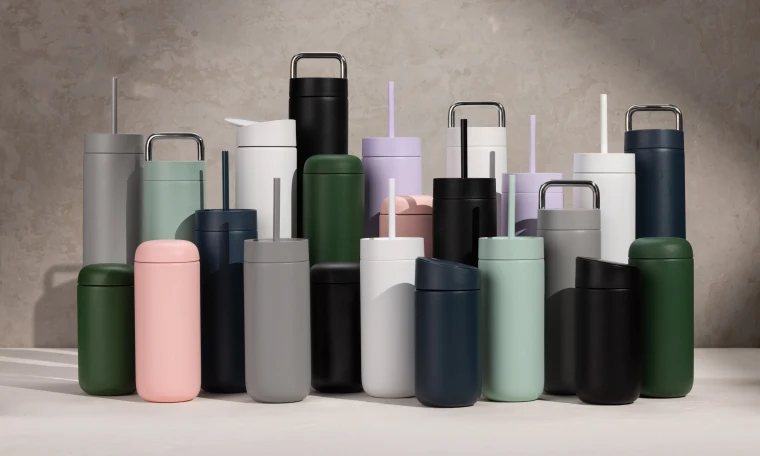
Choosing the right drinkware products and suppliers is an important part of building a successful retail business. Whether you are launching a new store, expanding an existing product collection, or managing a distribution company, purchasing drinkware in bulk requires careful planning. Product quality, pricing, supplier reliability, and customer demand all influence purchasing decisions.
For businesses exploring Drinkware Wholesale opportunities, understanding the buying process can make sourcing more efficient and cost-effective. Startups need to establish a suitable product range without exceeding their budgets, while established retailers must balance inventory availability with changing customer preferences. A structured buying strategy can help both types of businesses make informed decisions.
1. Understand Your Business Requirements Before Buying
Before contacting suppliers or requesting quotations, identify what your business actually needs. Your purchasing strategy should reflect your target customers, sales channels, available budget, and storage capacity.
Startups may benefit from beginning with a focused selection of essential drinkware products. Established retailers, on the other hand, may need to expand existing categories or introduce new designs based on sales performance.
Consider the following questions:
- Who are your primary customers?
- Which drinkware categories are most relevant to your market?
- What is your available purchasing budget?
- How much inventory can you store?
- Will you sell standard or customized products?
- How frequently will you need to replenish stock?
Answering these questions provides a clearer foundation for selecting products and suppliers.
2. Choose the Right Drinkware Product Categories
Drinkware includes numerous products designed for different uses and customer preferences. Selecting appropriate categories is essential for creating a balanced inventory.
Some important options include:
Reusable Water Bottles
Water bottles are practical everyday products suitable for fitness, travel, school, and workplace use. Retailers can consider stainless steel, glass, and BPA-free plastic options in different sizes and designs.
Insulated Tumblers
Insulated tumblers appeal to customers who want beverages to remain hot or cold for extended periods. Popular features include double-wall construction, reusable straws, comfortable handles, and secure lids.
Ceramic Coffee Mugs
Coffee mugs are suitable for household retailers, gift shops, office supply stores, and cafes. Plain, printed, oversized, and customized designs can serve different customer preferences.
Glassware
Drinking glasses are useful for homeware retailers, restaurants, and hospitality suppliers. Different shapes, textures, and capacities can help businesses create varied product collections.
Travel Mugs and Reusable Cups
These products are designed for customers who need portable beverage containers for commuting, travel, and daily activities.
Startups can begin with a few high-potential categories, while established retailers may benefit from offering a wider selection based on customer demand.
3. Set a Realistic Wholesale Purchasing Budget
Budget planning is essential when buying drinkware in bulk. Ordering large quantities may reduce the unit price, but it can also tie up working capital and increase storage expenses.
Your budget should account for more than the product price. Include additional costs such as:
- Shipping and transportation.
- Customs duties and import taxes, where applicable.
- Packaging and handling.
- Product customization.
- Warehouse and storage expenses.
- Quality inspection and potential replacements.
Startups should avoid investing their entire purchasing budget in one product category. Maintaining some financial flexibility makes it easier to respond to customer feedback and unexpected expenses.
Established retailers should use sales data and inventory turnover to determine how much capital to allocate to each category.
4. Compare Wholesale Suppliers Carefully
Selecting a reliable supplier is just as important as choosing the right products. A supplier’s quality standards, communication, production capacity, and delivery performance can influence your business operations.
When comparing potential suppliers, evaluate:
Product range: Check whether the supplier offers the drinkware categories and specifications you require.
Pricing structure: Request detailed quotations and compare unit costs, minimum order quantities, and additional charges.
Business experience: Research the supplier’s industry background and wholesale capabilities.
Customer support: Evaluate how clearly and efficiently the supplier responds to inquiries.
Delivery arrangements: Confirm production schedules, shipping methods, and estimated arrival dates.
Avoid making decisions based solely on the lowest quotation. A slightly higher-priced supplier may provide better product consistency and more dependable service.
5. Understand Minimum Order Quantities
Minimum order quantity, commonly called MOQ, refers to the smallest quantity a supplier is willing to sell in one order.
MOQ requirements vary depending on the supplier, product type, customization requirements, and manufacturing process.
For startups, high minimum quantities can create financial and storage challenges. Smaller initial orders or sample purchases may be more suitable when testing new products.
Established retailers may have greater purchasing capacity and can potentially benefit from volume-based discounts.
Before placing an order, ask whether the supplier allows mixed-product quantities, different colors within one order, or flexible purchasing arrangements.
6. Request Product Samples Before Bulk Ordering
Product samples provide an opportunity to evaluate quality before committing to a large purchase. This is particularly important for businesses sourcing drinkware from unfamiliar suppliers.
Inspect samples for:
- Material quality and construction.
- Surface finishing and color consistency.
- Lid design and sealing performance.
- Insulation capabilities, where applicable.
- Ease of cleaning and everyday use.
- Packaging quality and protection.
For customized products, request a sample that reflects the final design as closely as possible. This helps confirm logo placement, printing quality, and color accuracy.
Testing samples can reduce the likelihood of receiving products that do not meet customer expectations.
7. Prioritize Material Quality and Product Safety
Drinkware comes in several materials, each offering different advantages.
| Material | Common applications | Key considerations |
|---|---|---|
| Stainless steel | Bottles and insulated tumblers | Durability and insulation performance |
| Glass | Drinking glasses and beverage sets | Appearance and breakage resistance |
| Ceramic | Coffee mugs and tea cups | Finish and resistance to everyday use |
| Plastic | Reusable bottles and cups | Material composition and food-contact safety |
| Silicone | Flexible cups and accessories | Temperature suitability and cleaning |
Businesses should request relevant product specifications and safety documentation from suppliers. Requirements may vary depending on the material, product design, and destination market.
Choosing appropriate materials helps protect customers and supports a consistent product offering.
8. Consider Customization and Private Label Opportunities
Customized drinkware can help retailers differentiate their products and develop a recognizable brand identity.
Many wholesale suppliers offer services such as logo printing, laser engraving, personalized colors, and branded packaging.
Startups may use customization to establish a distinctive product collection, while established retailers can introduce private-label products to complement existing merchandise.
Before approving customized orders, confirm:
- Available printing and engraving methods.
- Artwork and design requirements.
- Minimum customization quantities.
- Production timelines.
- Sample approval procedures.
- Additional setup and printing charges.
Customization should be based on customer demand and business positioning rather than appearance alone.
9. Plan Inventory According to Customer Demand
Buying the right quantity is one of the most important parts of wholesale purchasing. Overstocking can increase storage costs and tie up capital, while insufficient inventory can result in missed sales.
Startups can initially use small orders to understand which products attract customer interest. Monitoring customer feedback and sales performance will provide useful information for future purchasing decisions.
Established retailers should review historical sales records, seasonal patterns, and inventory turnover before placing replenishment orders.
A practical inventory strategy should include:
- Identifying frequently purchased products.
- Estimating expected demand.
- Setting minimum stock levels.
- Monitoring slow-moving inventory.
- Scheduling replenishment before popular products run out.
This approach supports better stock control and more predictable purchasing decisions.
10. Understand Shipping and Delivery Requirements
Shipping arrangements can significantly influence the total cost and timing of wholesale purchases.
Domestic suppliers may offer relatively straightforward delivery arrangements, while international sourcing can involve additional documentation, transportation costs, customs procedures, and import duties.
Before confirming an order, clarify the following details:
- Shipping method and estimated delivery time.
- Packaging and handling arrangements.
- Shipment tracking availability.
- Responsibility for freight costs.
- Customs documentation and import responsibilities.
- Procedures for damaged or missing products.
Retailers should also allow additional time for customized orders because production and design approval may extend delivery schedules.
11. Review Payment Terms and Supplier Policies
Clear purchasing conditions help prevent misunderstandings between buyers and suppliers.
Before making a financial commitment, review payment methods, deposit requirements, order confirmation procedures, and cancellation conditions.
It is equally important to understand the supplier’s policies regarding defective products, incorrect shipments, returns, and replacements.
For larger orders, businesses should keep written records of product specifications, quantities, agreed prices, delivery schedules, and other important terms.
Proper documentation can make order management more transparent and reduce the risk of disputes.
12. Common Wholesale Buying Mistakes to Avoid
Both new and experienced retailers can encounter problems when purchasing drinkware in bulk. Recognizing common mistakes can help businesses make better sourcing decisions.
Some issues to avoid include:
- Buying large quantities without testing product samples.
- Choosing suppliers based only on low prices.
- Ignoring minimum order quantity requirements.
- Overlooking shipping and import expenses.
- Ordering products without understanding customer demand.
- Failing to verify material specifications.
- Neglecting storage and inventory management.
- Ignoring return and replacement policies.
Taking time to evaluate these factors can prevent unnecessary expenses and improve purchasing efficiency.
13. Building Long-Term Relationships with Wholesale Suppliers
A successful wholesale buying strategy should focus on more than individual transactions. Developing dependable supplier relationships can make sourcing easier as your business grows.
Start by communicating your product requirements, expected order volumes, and preferred delivery schedules. Provide feedback about product quality and address any issues promptly.
Over time, consistent communication may help both parties understand purchasing expectations and coordinate repeat orders more effectively.
For growing retailers, working with suppliers that can accommodate changing product requirements and larger order quantities can be particularly valuable.
Conclusion
Buying drinkware in bulk can offer significant opportunities for startups and established retailers, but successful purchasing requires careful preparation. Businesses need to understand their target customers, select suitable product categories, establish realistic budgets, and evaluate suppliers before committing to large orders.
Product quality, minimum order quantities, customization options, shipping costs, and inventory planning should all influence the final decision.
Startups can benefit from beginning with a focused selection and gradually expanding based on customer demand. Established retailers can use sales data and supplier relationships to improve purchasing efficiency and maintain consistent stock levels.
With a structured buying strategy and reliable wholesale partners, businesses can build competitive drinkware collections while supporting sustainable growth and long-term profitability.


