
Printing remains an essential part of many business operations, even as companies increasingly adopt digital workflows and electronic payment systems. Retail stores, restaurants, healthcare facilities, banks, and logistics providers still need reliable ways to produce transaction records, tickets, payment confirmations, and other short documents. Thermal printing technology addresses these requirements through a printing process that uses heat instead of conventional ink.
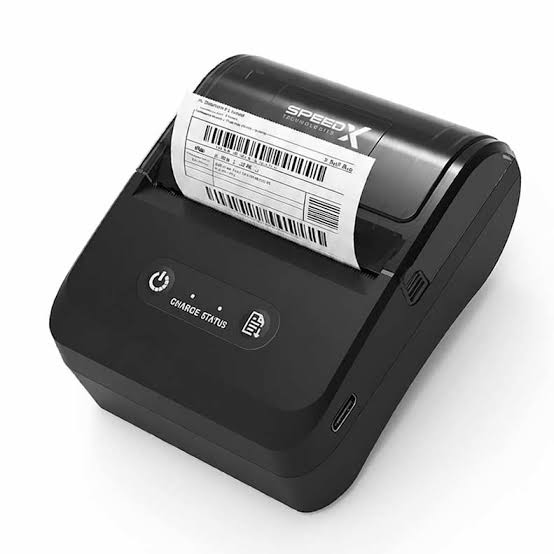
Its growing adoption is largely connected to its speed, compact equipment designs, and straightforward operation. A Thermal Receipt Printer can produce clear transaction records without requiring traditional ink cartridges or toner when using direct thermal technology. Understanding how this technology works, its different types, and its practical applications can help businesses make informed equipment decisions.
What Is Thermal Printing Technology?
Thermal printing is a method of producing text, images, and other information by applying controlled heat to a printing medium or transferring heat-sensitive ink from a ribbon.
Unlike conventional printers that rely on liquid ink or powdered toner, thermal printers use specialized printheads containing small heating elements. These elements activate selected areas of the printing material to create the required output.
Thermal printing is commonly used for receipts, product labels, shipping documents, tickets, and identification tags. Its suitability depends on the printer type, printing material, and intended application.
The technology is especially useful when businesses need to generate short documents quickly and repeatedly.
How Does Thermal Printing Work?
A thermal printer converts digital information into a printed image through a controlled heating process.
When a computer, POS terminal, or compatible device sends a print command, the printer’s internal controller processes the information and determines which heating elements should activate.
The printhead then applies heat in specific patterns to create text, numbers, barcodes, or graphics on the printing material.
Several components work together during this process:
- Thermal printhead: Contains heating elements responsible for producing the printed image.
- Platen roller: Moves the paper through the printing mechanism and maintains contact with the printhead.
- Controller board: Processes incoming data and controls printing operations.
- Paper feed mechanism: Advances the printing material at the required speed.
- Power supply: Provides the electricity needed to operate the printer.
The quality of the printed output depends on factors such as printhead resolution, paper quality, temperature control, and mechanical condition.
Main Types of Thermal Printing Technology
Thermal printing generally falls into two major categories: direct thermal printing and thermal transfer printing. Although both use heat, their printing methods and applications are different.
1. Direct Thermal Printing
Direct thermal printing uses specially coated paper that reacts to heat. When the printhead applies heat to selected areas, the coating darkens and creates the required text or image.
This process does not require an ink ribbon, toner, or cartridge.
Direct thermal technology is commonly used for:
- Retail receipts.
- Restaurant bills.
- Parking tickets.
- Queue management slips.
- Short-term shipping documents.
- Payment confirmation records.
One limitation is that direct thermal prints can fade when exposed to excessive heat, sunlight, friction, or certain chemicals. Therefore, the technology is most appropriate for documents that do not require extremely long-term storage unless suitable materials and storage conditions are used.
2. Thermal Transfer Printing
Thermal transfer printing uses a heated printhead to transfer ink from a ribbon onto a receiving material. The ribbon contains a specialized coating that melts and bonds to the printing surface when heated.
This method can produce durable images on different materials, depending on the ribbon and media combination.
Typical applications include:
- Product identification labels.
- Warehouse inventory labels.
- Shipping labels.
- Industrial tracking tags.
- Asset identification labels.
- Product packaging information.
Thermal transfer printing is generally more suitable than direct thermal printing when the printed information needs greater resistance to environmental exposure or long-term storage.
Key Components of a Thermal Printing System
Understanding the main components helps explain why printer design and maintenance affect performance.
Thermal Printhead
The printhead is the central component of the printing system. Its heating elements activate the printing medium or transfer ribbon to form the required output.
Printhead resolution is commonly measured in dots per inch (DPI). Higher resolution can improve the clarity of small text and detailed graphics, depending on the application.
Platen Roller
The platen roller supports and moves the paper or label material through the printer. Proper alignment and surface condition are important for consistent printing.
Dust, debris, and wear can contribute to uneven output or paper-feeding problems.
Printing Media
Different thermal printers require specific types of paper, labels, or ribbons.
Direct thermal printers use heat-sensitive media, while thermal transfer printers require compatible ribbons and receiving materials.
Using the wrong supplies can reduce print quality and may cause operational problems.
Control System and Connectivity
The printer’s controller interprets data received from connected devices and manages the printing process.
Common connection methods include USB, Ethernet, Bluetooth, and Wi-Fi. Available options depend on the printer model and its intended operating environment.
Major Business Applications of Thermal Printing
Thermal printing supports a wide range of business activities. Its applications are not limited to customer receipts, as different printer types can handle several documentation and identification requirements.
Retail and Point-of-Sale Operations
Retail stores use direct thermal printers to produce receipts after purchases. These documents typically include product descriptions, prices, taxes, discounts, and payment details.
Thermal printers can also work with POS terminals, barcode scanners, and cash drawers to support organized checkout operations.
Restaurants and Food Service
Restaurants use thermal printers to produce customer bills and kitchen order tickets. When connected to restaurant management software, they can print order details automatically after staff enter a customer’s selections.
This helps communicate orders between service counters and kitchen stations.
Healthcare and Pharmacy Services
Hospitals, clinics, and pharmacies use thermal printing for payment receipts, appointment slips, queue tickets, and other administrative documents.
Healthcare organizations must select appropriate printing systems and handle confidential information according to applicable privacy requirements.
Logistics and Warehousing
Logistics companies use thermal printing for shipping labels, inventory identification, delivery records, and tracking documentation.
Thermal transfer printers are particularly useful when labels need to remain readable during storage, transportation, or handling.
Transportation and Ticketing
Bus stations, railway facilities, parking operators, and ticket vending systems use thermal printers to generate tickets and payment records.
Their relatively fast operation makes them suitable for environments where customers need printed documentation without long waiting periods.
Banking and Financial Services
Banks and financial institutions use thermal printers in ATMs, service counters, and automated payment systems.
Typical documents include withdrawal slips, deposit confirmations, transaction summaries, and payment acknowledgments.
Business Benefits of Thermal Printing Technology
Thermal printing offers several practical advantages that can support daily business operations.
Fast Document Production
Thermal printers can produce short documents quickly, making them useful in businesses that process frequent transactions.
Fast printing is particularly valuable at supermarket checkout counters, ticketing stations, and restaurant payment terminals.
Reduced Ink and Toner Requirements
Direct thermal printers do not require traditional ink cartridges or toner. This reduces the number of consumable supplies businesses need to purchase and replace.
Thermal transfer printers still require ribbons, so supply requirements depend on the printing method.
Compact Equipment Designs
Many thermal receipt printers have compact dimensions that allow them to fit into limited counter space.
Portable models are also available for mobile businesses and outdoor transactions.
Quiet Printing Operation
Thermal printing does not rely on the same impact mechanism used by traditional dot matrix printers. This generally results in quieter operation, which is useful in customer-facing environments.
Convenient System Integration
Thermal printers can connect to compatible computers, POS systems, mobile devices, and automated kiosks.
This allows businesses to incorporate printing into existing transaction and documentation workflows.
Flexible Printing Applications
Depending on the model and printing method, thermal technology can support receipts, labels, tickets, barcodes, and other business documents.
This flexibility makes it useful across different commercial sectors.
Thermal Printing Compared With Traditional Printing Methods
Businesses often evaluate thermal printing alongside inkjet, laser, and impact printing technologies.
| Feature | Thermal Printing | Inkjet Printing | Laser Printing | Impact Printing |
|---|---|---|---|---|
| Printing method | Heat-based | Liquid ink droplets | Toner and laser imaging | Mechanical impact |
| Common applications | Receipts and labels | Documents and images | Office documents | Multi-part forms |
| Printing noise | Generally low | Generally low | Generally low | Usually higher |
| Ink or toner | Not required for direct thermal | Required | Required | Ribbon required |
| Equipment size | Often compact | Varies | Varies | Varies |
| Continuous receipt use | Common | Less common | Less common | Used in some systems |
The best option depends on the type of documents a business needs to produce. Thermal printing is particularly practical for short receipts and labels, while laser and inkjet printers are generally better suited to standard office documents and detailed color output.
Factors to Consider When Choosing Thermal Printing Equipment
Selecting the right printer involves more than comparing purchase prices. Businesses should evaluate their printing requirements and operating conditions.
Printing Method
Determine whether direct thermal or thermal transfer printing is appropriate.
Direct thermal technology is commonly used for receipts and short-term documents, while thermal transfer is often selected for durable labels and identification materials.
Printing Speed
Consider the number of documents produced during peak operating hours. Businesses with high transaction volumes may need equipment capable of maintaining consistent output throughout the working day.
Print Resolution
Resolution affects the clarity of text, small symbols, and barcodes. The required DPI depends on the size and complexity of the information being printed.
Media Compatibility
Check the supported paper width, roll diameter, label dimensions, and media specifications before purchasing equipment.
Using compatible materials helps maintain consistent printing performance.
Connectivity and Software Support
The printer should work with the business’s existing POS software, computers, mobile devices, or automated systems.
It is also important to check supported operating systems, drivers, and communication protocols.
Durability and Maintenance
Businesses should consider expected daily usage, environmental conditions, replacement parts, and maintenance requirements.
A printer designed for occasional use may not be suitable for a high-volume checkout environment.
Best Practices for Maintaining Thermal Printers
Regular maintenance helps reduce printing interruptions and preserve equipment performance.
Businesses can follow these practices:
- Clean the thermal printhead according to the manufacturer’s instructions.
- Use compatible paper or labels that meet the printer’s specifications.
- Remove dust and paper debris from the printing compartment.
- Inspect the platen roller for wear or contamination.
- Avoid touching the printhead with sharp objects.
- Keep the equipment away from excessive heat, moisture, and direct sunlight.
- Check cables, wireless connections, and software settings regularly.
- Replace damaged or worn components when necessary.
Employees should also learn how to load paper correctly and identify common issues such as faded printing, paper jams, and connectivity failures.
Emerging Developments in Thermal Printing Technology
Thermal printing continues to evolve alongside changing business requirements. Improvements in printhead design, connectivity, and device integration are helping manufacturers develop more versatile equipment.
Wireless connectivity is an important development, particularly for mobile POS systems and portable printers. It allows employees to produce receipts in locations where fixed checkout equipment may not be practical.
Another development is the integration of printers with cloud-based business software. Depending on system compatibility, this can help organizations manage printing operations across multiple locations.
Businesses are also exploring ways to reduce paper consumption by offering digital receipts alongside printed copies. This approach allows customers to choose a suitable format while helping organizations manage documentation more efficiently.
Future equipment development is likely to focus on reliability, ease of integration, compact construction, and improved energy efficiency.
Conclusion
Thermal printing technology provides businesses with an efficient method for producing receipts, labels, tickets, and other operational documents. Its heat-based printing process eliminates the need for conventional ink in direct thermal systems and supports fast, relatively quiet document production.
From retail checkout counters and restaurants to hospitals, transportation facilities, and warehouses, thermal printing serves a wide range of business requirements. However, choosing the appropriate equipment requires an understanding of printing methods, media compatibility, speed, connectivity, and maintenance needs.
By evaluating these factors carefully, businesses can select thermal printing systems that fit their workflows and support consistent daily operations.