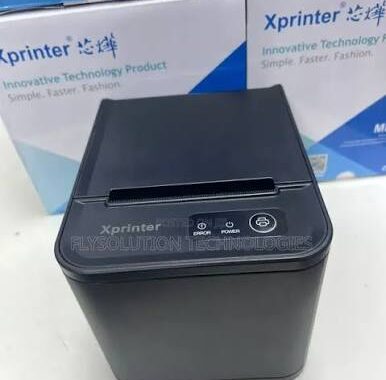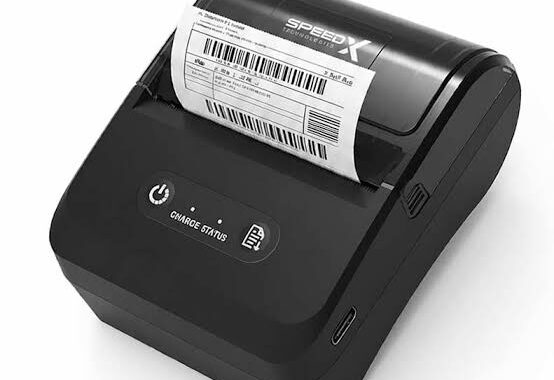

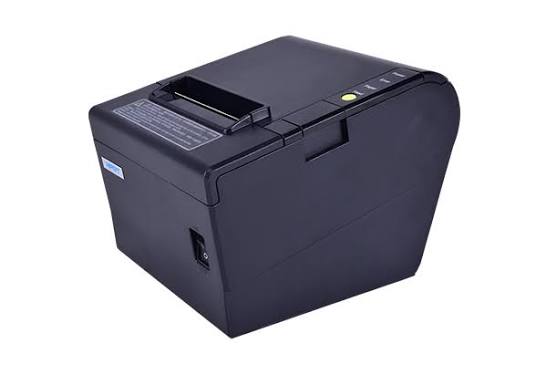
Receipt printers are essential tools in retail stores, restaurants, supermarkets, transportation services, and many other commercial environments. They support everyday transactions by producing receipts, order records, payment confirmations, and other printed information. Because these devices may operate continuously throughout business hours, reliability is a major factor in their overall value.
Producing dependable equipment requires more than assembling electronic components. Manufacturers must carefully manage product design, material selection, component sourcing, production processes, software development, and quality testing. An experienced Receipt Printer Manufacturer applies these practices to reduce potential failures, maintain consistent printing performance, and develop products that meet the demands of regular commercial use.
1. Careful Product Design and Engineering
Product reliability begins during the design stage. Engineers must consider how a receipt printer will operate, how frequently it will be used, and what conditions it may encounter in different business environments.
A printer designed for a busy supermarket, for example, may need to handle repeated printing cycles and frequent paper changes. A compact model intended for a small retail counter may require a space-efficient structure without sacrificing essential functionality.
Experienced manufacturers evaluate factors such as:
- Internal component arrangement.
- Housing strength and material selection.
- Paper path design.
- Heat distribution.
- Ease of maintenance.
- Accessibility of important components.
- Compatibility with different operating environments.
Careful engineering helps prevent design weaknesses that could affect performance after a printer enters regular service.
2. Selecting High-Quality Components
The quality of individual components directly influences the performance and durability of a receipt printer. Even a well-designed product can experience problems if its internal parts do not meet appropriate specifications.
Manufacturers evaluate components based on their technical characteristics, consistency, and suitability for the intended application.
Important components include:
Thermal printhead: Produces text and graphics by applying controlled heat to thermal paper. Its performance influences print clarity and consistency.
Main control board: Coordinates printer operations and communication with connected devices.
Paper-feeding motor: Moves paper through the printing mechanism and must operate consistently.
Rollers: Help maintain proper contact and paper movement.
Automatic cutter: Separates printed receipts in models equipped with this feature.
Power supply components: Provide the electrical power required for stable operation.
Using components that meet defined specifications helps manufacturers reduce the likelihood of premature failures.
3. Working With Reliable Component Suppliers
Component quality also depends on the reliability of the supply chain. Receipt printer manufacturers often source electronic parts, motors, sensors, printheads, and other materials from specialized suppliers.
A consistent sourcing process helps prevent variations between production batches.
Manufacturers may evaluate suppliers based on product specifications, delivery reliability, quality documentation, and previous performance. Incoming components can then be inspected before entering the assembly process.
This approach helps identify defective or unsuitable materials early, reducing the risk of manufacturing problems later.
4. Applying Strict Quality Control During Production
Quality control is essential for maintaining consistency across large production quantities. A reliable manufacturing process includes inspections at different stages rather than relying only on a final product check.
Typical quality control activities include:
- Incoming material inspection.
- Circuit board assembly checks.
- Mechanical component verification.
- Printhead installation inspection.
- Paper-feeding mechanism testing.
- Electrical safety checks.
- Final functional testing.
Each stage helps identify potential defects before the product moves to the next production step.
Manufacturers can also use documented inspection procedures to make sure that products are evaluated against consistent standards.
5. Testing Printing Performance
Printing performance is one of the most direct indicators of receipt printer reliability. A printer should produce readable, consistent output without frequent interruptions or noticeable variations.
Manufacturers test printing quality using different text formats, graphics, and supported printing commands.
Important performance checks include:
- Text sharpness and readability.
- Consistency across printed receipts.
- Printing speed.
- Alignment and positioning.
- Barcode and QR code clarity.
- Performance during repeated print jobs.
These tests help determine whether the printer can meet its intended operating requirements.
6. Evaluating Thermal Management
Thermal receipt printers generate heat during operation because their printheads contain heating elements. Appropriate temperature management is therefore important for maintaining consistent performance.
Manufacturers examine heat distribution, printhead control, and operating behavior under different workloads.
Thermal testing can help identify issues such as uneven printing, excessive heat buildup, or performance changes during extended use.
Engineers may refine electronic controls and component arrangements to support more stable operation. The goal is to balance printing performance with suitable operating temperatures and component protection.
7. Improving Paper-Feeding Reliability
Paper-feeding problems can interrupt transactions and create inconvenience for employees. Common issues include paper misalignment, slipping rollers, paper jams, and incorrect loading.
Experienced manufacturers pay close attention to the paper path and mechanical components during product development.
They may test different roller materials, paper guides, loading mechanisms, and internal structures to improve paper movement.
Easy-loading designs can also reduce mistakes when employees replace receipt rolls. Clear loading instructions and accessible mechanisms make routine operation more convenient.
8. Testing Automatic Cutter Mechanisms
Many desktop receipt printers include automatic cutters that separate receipts after printing. The cutter must operate consistently to prevent incomplete cuts, paper tearing, or mechanical interruptions.
Manufacturers evaluate cutter performance through repeated operating cycles and functional inspections.
Testing may examine:
- Cutting accuracy.
- Blade movement.
- Paper positioning.
- Mechanical response.
- Wear during repeated operation.
- Behavior with supported paper types.
Proper cutter design and testing can improve convenience in businesses where employees print receipts throughout the day.
9. Conducting Long-Term Durability Tests
A printer may perform well during a short demonstration but develop problems after repeated use. Durability testing helps manufacturers evaluate how equipment responds to longer operating periods.
Depending on the product design, tests may include repeated printing, paper loading, cutter activation, and continuous operation.
Engineers can monitor changes in print quality, mechanical performance, and component behavior.
The results help identify areas that may require stronger materials, revised component designs, or adjustments to manufacturing procedures.
Durability testing does not guarantee that every unit will operate without failure, but it provides useful evidence about how a product performs under defined test conditions.
10. Maintaining Reliable Electronic Circuitry
Electronic components coordinate printing, communication, power management, and other important functions. Problems with circuit boards or electrical connections can affect the entire device.
Manufacturers use circuit design and inspection procedures to support stable operation.
Relevant activities may include:
- Printed circuit board design verification.
- Component placement inspection.
- Solder joint examination.
- Electrical continuity testing.
- Power regulation checks.
- Functional testing of control circuits.
Automated surface-mount technology can help improve component placement accuracy during production. Additional inspection methods may identify assembly defects before printers move to final testing.
11. Developing Stable Firmware and Software
Hardware reliability is only one part of a receipt printer’s overall performance. Firmware controls how the device processes commands, communicates with connected systems, and manages printing operations.
Software problems may cause incomplete printing, communication interruptions, incorrect formatting, or unexpected device behavior.
Manufacturers test firmware to verify that supported functions operate as intended.
Development and testing may focus on:
- Printing command accuracy.
- Error detection and reporting.
- Paper status monitoring.
- Barcode and QR code support.
- Interface communication.
- Driver compatibility.
- Operating system support.
Regular software validation helps reduce compatibility problems and supports more predictable printer behavior.
12. Verifying Connectivity and POS Compatibility
Receipt printers are commonly connected to computers, POS terminals, tablets, and other business devices. Unstable communication can prevent transactions from being printed correctly.
Manufacturers test available interfaces to verify that they work within the supported technical specifications.
Depending on the model, connectivity options may include USB, Ethernet, serial, Bluetooth, and Wi-Fi.
Compatibility testing can also cover supported operating systems, printer drivers, and POS software. Businesses should still confirm compatibility with their own systems before purchasing large quantities, as software configurations can differ between installations.
13. Using Automated Production and Inspection Equipment
Automation can improve consistency in receipt printer manufacturing by reducing certain manual assembly variations.
Automated equipment may be used for circuit board assembly, component placement, soldering, and selected inspection activities.
For example, automated optical inspection systems can examine circuit boards for visible assembly problems. Functional testing equipment can also help verify whether completed printers respond correctly to specific commands.
Automation does not eliminate the need for skilled technicians. Instead, it supports repeatable manufacturing procedures and allows production teams to identify certain defects more efficiently.
14. Training Production and Quality Control Staff
Even advanced manufacturing equipment requires knowledgeable employees to operate and monitor it effectively.
Production staff need to understand assembly procedures, component specifications, inspection requirements, and workplace safety practices.
Quality control teams must also know how to identify defects and document inspection results.
Ongoing training can help employees follow consistent procedures and respond appropriately when manufacturing problems occur.
Experienced manufacturers often combine technical training with documented work instructions to reduce variation between production shifts.
15. Maintaining Product Consistency Across Large Orders
Consistency is particularly important for distributors and businesses purchasing receipt printers in bulk. Products supplied in different batches should maintain the agreed specifications and expected performance characteristics.
Manufacturers can support consistency by using standardized components, controlled production procedures, and documented quality checks.
Batch records and product identification systems may also help trace manufacturing information when a quality issue is reported.
Before placing a large order, buyers should ask how the manufacturer maintains consistency between production batches and whether it can provide relevant inspection documentation.
16. Incorporating Customer Feedback Into Product Improvements
Feedback from customers and service technicians can reveal reliability issues that may not appear during laboratory testing.
For example, users may report recurring paper-feeding problems, difficulties with wireless connections, or challenges when replacing printer components.
Manufacturers can investigate these reports to determine whether they are related to product design, operating conditions, installation practices, or software compatibility.
The findings may lead to improvements in hardware, firmware, documentation, or maintenance instructions.
A structured feedback process helps manufacturers address recurring problems and make products more suitable for actual business environments.
17. Providing Clear Installation and Maintenance Guidance
Product reliability also depends on how equipment is installed and maintained after delivery. Incorrect paper loading, unsuitable consumables, poor ventilation, or improper cleaning can affect printer performance.
Manufacturers can support users by providing practical documentation and technical guidance.
Useful instructions may cover:
- Correct paper roll installation.
- Supported paper specifications.
- Cleaning procedures.
- Connection and driver installation.
- Firmware updates.
- Troubleshooting common errors.
- Safe handling and storage.
Clear documentation helps employees use equipment correctly and may reduce avoidable service issues.
18. Offering After-Sales Technical Support
Even carefully manufactured receipt printers may occasionally require troubleshooting, repairs, or replacement components.
After-sales support helps businesses address technical issues and maintain equipment throughout its working life.
A dependable support arrangement may include:
- Product installation assistance.
- Driver and firmware information.
- Troubleshooting documentation.
- Warranty claim procedures.
- Spare parts availability.
- Repair or replacement guidance.
For businesses operating multiple locations, access to timely technical support can help reduce disruption when equipment problems occur.
19. Following Relevant Quality and Safety Standards
Manufacturers must consider applicable product safety and quality requirements when designing and producing receipt printers.
Depending on the target market and product configuration, relevant requirements may involve electrical safety, electromagnetic compatibility, and environmental restrictions on certain materials.
Quality management systems can also help manufacturers organize documentation, production controls, inspections, and corrective actions.
Buyers should request relevant certificates and technical documents and verify that they apply to the exact printer model being purchased.
20. Continuously Improving Manufacturing Processes
Product reliability is not achieved through a single inspection or design decision. It requires ongoing evaluation of manufacturing performance and product feedback.
Manufacturers may review defect reports, customer complaints, inspection results, and production data to identify recurring problems.
They can then introduce corrective actions, update work instructions, improve component selection, or revise product designs.
Continuous improvement helps manufacturers respond to changing business requirements while maintaining consistent product standards.
Conclusion
Experienced receipt printer manufacturers ensure product reliability through a combination of careful engineering, quality component selection, controlled production, software testing, and long-term performance evaluation. Attention to printheads, paper-feeding systems, electronic circuitry, connectivity, and mechanical components helps reduce potential failures and support consistent operation.
Reliability also depends on effective quality control, trained production teams, customer feedback, and accessible after-sales support. For businesses selecting receipt printers, understanding these manufacturing practices provides a useful basis for evaluating product quality and choosing equipment that can support everyday commercial operations.