

Electricity demand does not always coincide with the moment energy is generated. A home may need power after sunset, a business may want to keep selected systems operating during an outage, and a remote site may have limited access to the utility network. Energy storage helps bridge this gap by holding electricity for use when it is needed.
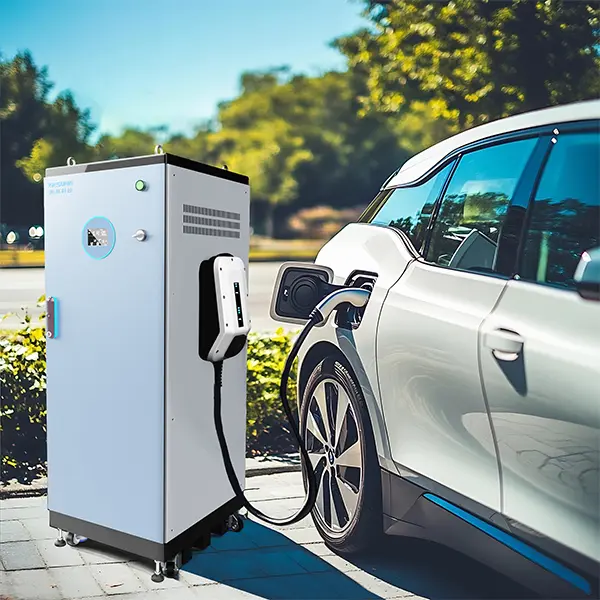
A Power Storage Generator is generally understood as a portable or stationary energy system that stores electricity in a battery and supplies it through controlled outputs. Unlike a conventional fuel generator, a battery-based storage unit does not create energy by burning fuel during discharge. It releases previously stored electricity, which may have been obtained from the grid, solar panels, or another compatible charging source.
Understanding Stored Energy and Delivered Power
Energy storage systems are described using two important measurements. Battery capacity, usually measured in kilowatt-hours (kWh) or watt-hours (Wh), indicates how much energy can be stored. Output power, measured in kilowatts (kW) or watts (W), indicates how much electrical demand the system can supply at a given time.
These specifications answer different questions. Capacity influences how long equipment can operate, while output power determines which combinations of appliances can run simultaneously.
For example, a system may store enough energy to operate a device for several hours but still lack the inverter capacity to start a high-demand appliance. Both values should be checked before purchase.
1. Backup During Electricity Interruptions
A battery storage unit can supply selected electrical loads when the normal power source becomes unavailable. Depending on its design, it may support lighting, communications, computers, networking equipment, refrigeration, or other compatible appliances.
The backup duration depends on usable battery capacity and the total connected load. Inverter losses, battery operating limits, temperature, and battery condition also affect runtime.
For a building installation, users should decide which circuits need backup and have the electrical arrangement designed appropriately. Systems intended to supply a whole building require careful assessment of the maximum demand and transfer method.
2. Charging from Different Energy Sources
A flexible storage system may accept electricity from a mains outlet, solar panels, or another compatible source. Multiple charging options can be useful when the system is used in different locations or as part of a renewable-energy installation.
Solar charging depends on available sunlight, panel output, shading, temperature, and the storage system’s permitted input range. Grid charging may provide a convenient way to replenish the battery before an expected outage.
Compatibility is essential. Check the permitted input voltage, current, connector type, charging protocol, and battery specifications before connecting external equipment.
3. Supporting Solar Self-Consumption
In a solar installation, surplus electricity can sometimes be stored instead of being used immediately or exported to the grid. The stored energy can then be used later when solar production falls.
This can increase the proportion of generated solar energy consumed at the property, depending on the system design and local electricity arrangements. The financial benefit varies with electricity tariffs, export compensation, battery cost, and the property’s consumption pattern.
A storage system should be sized around the timing of energy use rather than simply the maximum output of the solar array.
4. Quiet Operation and Local Emissions
Battery storage systems do not produce engine exhaust during normal discharge. They can therefore be useful indoors when the specific product is approved for the installation environment and all manufacturer requirements are followed.
They also avoid the engine noise associated with conventional fuel generators. However, batteries and inverters still generate heat and require appropriate ventilation and operating conditions.
A battery system is not automatically environmentally impact-free. Battery manufacturing, electricity sources, service life, and end-of-life recycling all contribute to its overall environmental footprint.
5. Battery Chemistry and System Protection
Battery chemistry affects energy density, charging characteristics, operating temperature, service life, and safety considerations. Lithium-based systems are common in portable and stationary storage products, but different lithium chemistries have distinct characteristics.
A battery management system monitors important operating conditions, such as cell voltage and temperature. Depending on the product, it may help prevent overcharging, excessive discharge, and operation outside permitted limits.
Users should follow the specified charging conditions and avoid exposing the battery to physical damage, excessive heat, or moisture beyond its rated protection.
6. Selecting Capacity and Installation Type
Choose the system by listing essential loads, their running wattage, starting requirements, and expected operating time. Add a reasonable reserve so the battery is not routinely pushed beyond its recommended operating range.
Portable units may suit occasional or mobile use, while larger stationary systems may be better for homes or businesses with defined backup requirements. Fixed installations should be designed by qualified professionals and comply with local electrical regulations.
A Practical Part of an Energy Plan
A power storage generator can provide flexible backup and help make electricity available when generation and demand do not occur at the same time. Its usefulness depends on battery capacity, inverter output, charging compatibility, and the loads it is expected to support.
Assessing actual energy needs before purchasing helps ensure that the system provides meaningful backup without unnecessary expense.