

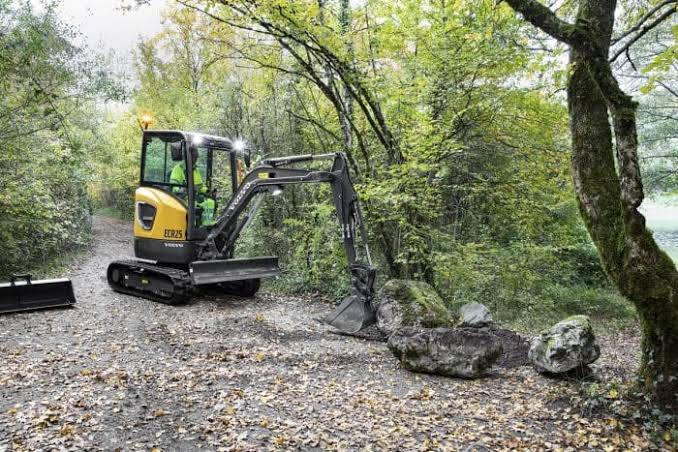
Small-scale excavation is an important part of many construction and property improvement activities. Contractors may need to dig narrow trenches, prepare planting areas, remove soil around structures, create drainage channels, or complete repair work where larger machinery would be difficult to position. These tasks require equipment that can perform the necessary excavation while fitting the available space and working conditions.
Businesses searching for an electric mini excavator for sale should evaluate the machine according to the scale of their excavation work. Compact electric equipment may be suitable for selected smaller projects, particularly where battery operation and limited dimensions offer practical advantages. Buyers should still assess digging capability, soil conditions, operating duration, access, charging requirements, and available support before deciding which model is appropriate.
Identify the Type of Small Excavation
The phrase small-scale excavation can describe several different activities. A contractor may undertake shallow trenching, landscaping, garden preparation, foundation work for small structures, drainage improvements, or excavation for selected utility installations.
Each activity has different requirements. A narrow trench may require precise digging and suitable reach, while soil removal for landscaping may involve repeated bucket cycles and repositioning.
Buyers should identify the tasks they expect the machine to perform most frequently. This helps determine the required digging depth, bucket size, machine dimensions, and operating characteristics.
Evaluate Soil and Ground Conditions
Soil conditions can influence excavation performance significantly. Loose soil, compacted ground, clay, gravel, and mixed materials may require different approaches and place different demands on the equipment.
Contractors should consider the conditions expected across their projects and whether the machine’s specifications are suitable for those environments. They should also assess ground stability, slopes, access surfaces, and any restrictions affecting movement.
Where ground conditions are difficult or unpredictable, the contractor should plan appropriate excavation methods and safety measures. The machine must be operated within its specified capabilities.
Choose a Machine That Fits the Site
Small excavation projects may take place in narrow areas, backyards, pathways, courtyards, or locations surrounded by existing structures. Equipment dimensions can determine whether the excavator reaches the working area.
Buyers should measure gates, pathways, temporary openings, turning areas, and other access points. They should compare these measurements with the machine’s overall width, height, length, and operating configuration.
Compact dimensions may reduce access difficulties, but the machine still needs sufficient space to manoeuvre and perform its work safely. Contractors should also consider transport arrangements and the equipment required to deliver it.
Match Digging Performance to the Job
Digging depth, reach, bucket capacity, digging force, and operating weight should be considered together. A machine may be compact but unsuitable if it cannot reach the required depth or handle the expected soil conditions.
For trenching, the contractor should examine whether the excavator can achieve the required dimensions without excessive repositioning. For landscaping, reach and bucket suitability may influence how efficiently soil can be moved.
Buyers should review technical information and discuss the intended application with the supplier. A practical demonstration may provide additional insight into machine performance.
Consider Electric Operation
Electric mini excavators use batteries rather than conventional fuel-powered engines for their operating system. They do not produce direct exhaust emissions during normal electric operation, which may be useful in selected environments.
Charging requirements should be evaluated carefully. Contractors need to confirm the available electrical supply, compatible charging arrangements, charging duration, and expected operating time.
Small excavation work may involve intermittent activity, but operating duration depends on workload and machine use. The contractor should consider whether the battery can support the planned work schedule and whether charging can be accommodated between tasks.
Plan for Attachments and Versatility
Some excavation projects require different attachments to complete related tasks. Buyers should determine which attachments are compatible with the machine and whether they are appropriate for the intended work.
Attachment compatibility should include the relevant mounting arrangements, hydraulic or electrical requirements, machine capacity, and manufacturer guidance.
A machine that can support several recurring applications may provide greater value to a contractor than one restricted to a single type of task. However, attachments should be selected according to actual requirements rather than purchased without a clear purpose.
Examine Maintenance and Support
Small equipment still requires regular inspections and maintenance. Buyers should understand service intervals, battery care, charging procedures, replacement parts, warranty coverage, and technical support availability.
A supplier should be able to explain how the machine is maintained and what support is available if a fault occurs. Contractors should also consider operator training and access to relevant documentation.
Conclusion
Finding the right electric mini excavator for small-scale excavation involves balancing compact dimensions with digging capability, site access, soil conditions, battery performance, and support arrangements. Contractors who define their tasks clearly and evaluate the machine against real working conditions can make a more informed purchase. A careful selection process helps ensure that compact equipment is useful, manageable, and appropriate for the excavation activities it is expected to perform.