

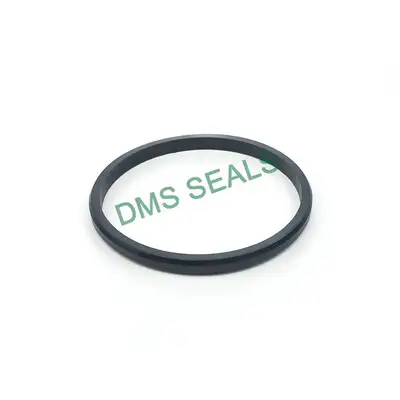
Building a reliable supply chain is essential for businesses that depend on industrial sealing components. O-rings are used in various applications, including hydraulic systems, automotive equipment, manufacturing machinery, and fluid-handling systems. Although these components are relatively small, their quality and availability can have a significant impact on equipment performance and production schedules.
Choosing the right O-Ring Supplier involves more than finding a company that offers competitive prices. Businesses need a supplier that understands their technical requirements, maintains consistent product standards, and can support changing demands over time. Establishing a strong supplier relationship can improve procurement efficiency, reduce operational risks, and create a more dependable supply chain.
1. Consistent Product Quality and Manufacturing Standards
Product quality should be a priority when evaluating a potential long-term supplier. O-rings must maintain their sealing properties under specific pressure, temperature, and environmental conditions. Inconsistent dimensions or poor material quality can result in leakage, premature wear, and equipment failure.
Before entering into a partnership, businesses should understand the supplier’s quality management procedures.
Consider checking:
- Dimensional accuracy and manufacturing tolerances.
- Material composition and product specifications.
- Inspection and testing procedures.
- Quality management certifications.
- Availability of technical documentation.
A supplier that maintains consistent quality standards can help businesses avoid unnecessary replacements and maintain reliable equipment operation.
2. Wide Range of Materials and Product Options
Different industrial applications require different O-ring materials. A suitable supplier should provide access to multiple elastomer options to accommodate various operating environments.
Some commonly used materials include:
Nitrile Rubber (NBR)
NBR is widely used in applications involving petroleum-based oils, fuels, and hydraulic fluids. Its mechanical strength and abrasion resistance make it suitable for many industrial and automotive systems.
Fluorocarbon (FKM)
FKM offers good resistance to elevated temperatures, oils, fuels, and many chemicals. It is commonly selected for demanding industrial applications.
EPDM
EPDM is frequently used in water, steam, and outdoor applications because of its resistance to weathering and ozone.
Silicone
Silicone provides flexibility across a broad temperature range and is often used in applications where temperature performance is important.
A supplier with a suitable product range makes it easier to source components for different machinery and operational requirements without compromising material compatibility.
3. Technical Knowledge and Professional Guidance
Technical expertise is an important factor in a long-term business partnership. Selecting an O-ring requires consideration of several details, including dimensions, material hardness, pressure conditions, and chemical compatibility.
An experienced supplier should understand these requirements and provide accurate product information when needed.
Businesses should evaluate whether potential suppliers can assist with:
- Identifying suitable materials for specific applications.
- Understanding standard and custom dimensions.
- Evaluating temperature and pressure requirements.
- Explaining differences between static and dynamic seals.
- Providing relevant product specifications.
Access to technical guidance can reduce purchasing errors and help businesses select components that meet their operational needs.
4. Reliable Inventory and Consistent Product Availability
Supply interruptions can create significant challenges for businesses that rely on regular maintenance and continuous production.
A supplier may offer high-quality products, but inconsistent inventory can make long-term cooperation difficult.
Before establishing a partnership, ask about stock management practices, order processing capacity, and the ability to fulfill recurring requirements.
It is also useful to discuss expected lead times and procedures for handling urgent or large-volume orders.
A supplier with effective inventory planning can help businesses maintain adequate stock levels and avoid unnecessary procurement delays.
5. Competitive Pricing and Transparent Quotations
Pricing plays an important role in long-term procurement decisions. However, businesses should evaluate the overall value offered by a supplier instead of focusing exclusively on the lowest unit price.
Low-cost products may create additional expenses if they require frequent replacement or fail to meet application requirements.
When comparing suppliers, consider:
- Unit prices and bulk purchasing rates.
- Additional shipping and handling charges.
- Costs associated with custom specifications.
- Price consistency across repeat orders.
- Product durability and expected service life.
Transparent quotations and clear pricing policies help businesses plan procurement budgets more effectively and avoid unexpected expenses.
6. Customization and Flexible Manufacturing Capabilities
Standard O-rings are suitable for many applications, but specialized equipment may require non-standard sizes or particular material characteristics.
A potential long-term supplier should be able to explain whether customized products are available and what information is required to manufacture them.
This may include technical drawings, dimensional measurements, material requirements, and operating conditions.
Customization capabilities are especially useful for businesses working with specialized machinery or equipment that cannot accommodate standard sealing components.
7. Timely Delivery and Effective Communication
Delivery reliability is essential for maintaining a stable supply chain. Late shipments can interrupt production schedules, delay repairs, and increase equipment downtime.
Businesses should evaluate the supplier’s ability to communicate delivery timelines accurately and provide updates when unexpected issues occur.
Good communication should also extend to quotations, product inquiries, order confirmations, and changes in specifications.
A supplier that responds promptly and provides clear information is generally easier to work with over an extended period.
8. Customer Service and After-Sales Support
A long-term partnership should not end once an order has been delivered. Businesses may occasionally need assistance with product concerns, replacement requests, or technical questions.
Before choosing a supplier, review its approach to customer service and after-sales support.
Important areas to discuss include:
- Procedures for handling defective products.
- Return and replacement policies.
- Response times for customer inquiries.
- Support for technical or specification-related concerns.
- Communication during order-related problems.
Reliable after-sales assistance helps businesses manage purchasing risks and maintain confidence in the supplier relationship.
9. Industry Experience and Business Reputation
A supplier’s industry experience can provide useful insight into its understanding of sealing applications and customer requirements.
Businesses should review the supplier’s background, product knowledge, customer feedback, and experience serving relevant industries.
It is also beneficial to request references or examples of previous supply arrangements where appropriate.
A positive reputation should be supported by practical evidence, including consistent product quality, accurate communication, and dependable order fulfillment.
10. Ability to Support Future Business Growth
Business requirements often change as production volumes increase, new equipment is introduced, or additional product specifications become necessary.
A supplier that can accommodate changing demand is more valuable as a long-term partner.
Discuss whether the supplier can support larger orders, recurring purchasing schedules, specialized products, and evolving technical requirements.
It is also worth evaluating whether the supplier has the operational capacity to maintain consistent service as your business grows.
Planning for future requirements can prevent the need to repeatedly search for alternative suppliers.
How to Build a Successful Supplier Partnership
Selecting a suitable supplier is only the beginning. Maintaining a productive relationship requires clear expectations and regular communication.
Businesses can strengthen supplier partnerships by:
- Providing accurate product specifications and order requirements.
- Establishing realistic delivery and quality expectations.
- Communicating changes in demand as early as possible.
- Reviewing supplier performance periodically.
- Addressing product or delivery concerns promptly.
- Maintaining clear records of orders and product specifications.
These practices encourage better coordination and help both parties understand their responsibilities.
Conclusion
Choosing an O-ring supplier for a long-term business partnership requires careful consideration of product quality, material availability, technical expertise, pricing, delivery performance, and customer support. Each factor contributes to a reliable procurement process and helps businesses maintain consistent access to essential sealing components.
Rather than making decisions based solely on immediate costs, organizations should focus on suppliers that can meet current requirements while adapting to future needs. A well-established supplier relationship can reduce sourcing difficulties, support equipment reliability, and contribute to more efficient business operations over time.


