
Restaurants and food businesses need packaging that can handle daily operations while keeping meals protected and presentable. The right container should support food quality, convenient handling, storage, transportation, and efficient service without creating unnecessary complications.
A PP Food Container can meet many of these needs because polypropylene is widely used for practical food packaging applications. LRpacking provides PP container options that businesses can evaluate based on food type, serving requirements, and packaging workflow.
Food-Safe Material
One of the most important features of a food container is its suitability for contact with food. Polypropylene, commonly known as PP, is frequently used for food packaging because it offers a stable material option for many everyday applications.
For restaurants and food businesses, selecting containers made from appropriate food-contact materials can help support safe handling and maintain packaging consistency.
Heat Resistance
Restaurants often package freshly prepared meals, soups, sauces, and other hot foods. Containers therefore need to tolerate the temperatures associated with the intended application without easily losing their shape.
PP containers are valued for their relatively good heat resistance compared with many other common plastics. However, businesses should always check the manufacturer’s stated temperature range and intended use before selecting a container for hot food.
Secure Closure
A reliable lid is essential when meals need to be transported. Poorly fitting lids can increase the risk of spills, leaks, and food exposure during delivery or takeaway service.
Depending on the application, businesses may look for containers with tight-fitting lids, compatible sealing systems, or designs that help keep the contents securely enclosed.
Suitable Size and Capacity
Food businesses serve different portions, so container capacity is another important consideration. Small containers may work well for sauces, side dishes, or desserts, while larger options can accommodate complete meals.
Offering several sizes can also make packaging operations more efficient by allowing staff to select a container that matches the portion being served.
Stackability and Storage Efficiency
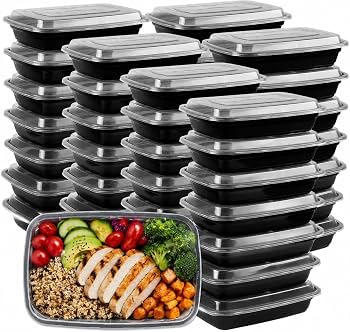
Restaurant kitchens often have limited storage space. Containers that stack neatly can help organize packaging supplies and make better use of available shelving or storage areas.
Stackable designs can also simplify inventory handling. When containers and lids are easy to organize, employees can retrieve the required packaging more quickly during busy service periods.
Durability for Takeaway and Delivery
Packaging needs to withstand normal handling from the kitchen to the customer. A container that cracks, deforms, or becomes difficult to close can create avoidable problems during food preparation and delivery.
Durability is especially relevant for businesses offering takeaway meals, catering services, meal preparation, and food delivery. The container should be selected according to the weight, temperature, and type of food it will hold.
Convenient Design for Customers
Packaging is part of the overall eating experience. Customers may need to carry containers, open them easily, store leftovers, or reheat meals depending on the food and packaging design.
Features such as practical shapes, easy-to-handle lids, and appropriate container depths can make packaging more convenient without adding unnecessary complexity.
Consistent Quality for Business Operations
Restaurants and food companies often purchase containers repeatedly, making consistency important. Variations in dimensions, lid fit, material quality, or appearance can affect daily packaging processes.
Businesses should therefore evaluate product specifications, quality-control practices, order consistency, and supplier capabilities before committing to large-volume purchases.
Choosing Containers Based on Application
There is no single container design that works equally well for every food business. A restaurant serving hot meals may have different requirements from a bakery, catering company, meal-preparation service, or food manufacturer.
When selecting PP containers, businesses should consider:
- Type and temperature of food
- Portion size and container capacity
- Lid and sealing requirements
- Storage and stacking needs
- Transportation conditions
- Intended reheating or handling requirements
- Order volume and supply consistency
Final Considerations
The most useful PP food container is one that matches the practical requirements of the food business. Material suitability, heat resistance, secure closure, durability, capacity, stackability, and ease of handling can all influence packaging performance.
By reviewing these features before purchasing, restaurants and food businesses can select containers that fit their food products and everyday workflow while maintaining a practical and consistent packaging system.