
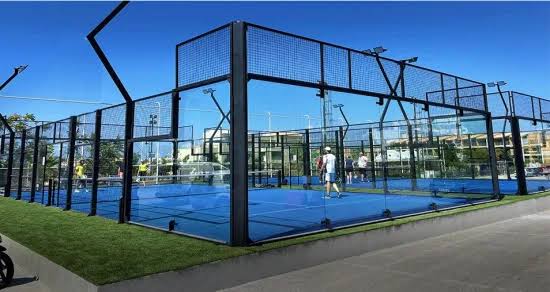
Padel facilities are evolving beyond basic enclosed playing areas. Modern courts can combine durable construction with attractive design, efficient lighting, customized branding, and features that support the needs of today’s sports businesses. As clubs and recreational venues compete to attract players, the design and functionality of their courts can become an important part of the overall customer experience.
Working with a capable China Padel Court Manufacturer can give project developers access to different court configurations, materials, finishes, and customization possibilities. Whether the project involves a single court or a larger sports complex, understanding the available features makes it easier to create a facility suited to its intended audience and operating environment.
A Modern Court Starts With Smart Planning
Technology and customization are useful, but they cannot compensate for poor planning. The first step is still to understand the site, expected usage, and purpose of the facility.
A commercial padel center may need a different configuration from a hotel or private club. The number of courts, available space, spectator areas, lighting, access routes, and maintenance zones should all be considered before manufacturing begins.
Good planning allows modern features to be integrated into the court without making the design unnecessarily complicated.
Contemporary Structural Designs
Traditional padel courts have a recognizable appearance, but manufacturers can offer different structural approaches and finishes.
Frame colors can be selected to match a facility’s branding or surrounding architecture. Some venues may prefer a subtle design, while others may want courts that immediately attract attention.
The structural design should always maintain appropriate stability and durability regardless of the chosen appearance.
For outdoor installations, protective treatments are also important because the structure will be exposed to weather conditions.
High-Visibility Glass Walls
Glass is central to the visual identity of a padel court. Clear, properly processed panels allow players and spectators to see the action while creating an open appearance.
For commercial venues, glass can also improve the visual connection between courts. Customers waiting for their session can watch ongoing matches rather than feeling separated from the playing area.
The glass system needs to be selected and installed carefully. Proper processing, handling, transportation, and structural support all contribute to its performance.
Improved Lighting for Evening Play
Modern lighting can extend the useful operating hours of a padel facility.
LED systems are often considered for sports venues because they can provide efficient illumination and long service life. However, the positioning of fixtures remains important.
Lights should be arranged to provide consistent visibility across the court without creating excessive glare or distracting shadows.
For facilities with several courts, lighting can also contribute to the visual atmosphere of the venue, particularly during evening matches.
Custom Branding Opportunities
Branding can turn a standard sports facility into a recognizable destination.
Depending on the manufacturer’s capabilities, businesses may be able to incorporate logos and brand colors into selected parts of the court.
Potential areas for customization can include structural frames, entrances, fencing, signage, and surrounding elements.
This can be particularly useful for:
- Padel clubs
- Hotels
- Resorts
- Fitness centers
- Sports academies
- Corporate recreation facilities
The branding should remain visually balanced so that it does not interfere with the playing environment.
Outdoor Courts Designed for Local Conditions
Outdoor padel courts need to be designed around their surroundings.
A location with heavy rainfall requires effective water management. A hot climate may involve intense sunlight and high temperatures. Coastal areas may expose metal components to humidity and salty air.
These conditions can influence material selection and protective treatments.
Providing the manufacturer with accurate information about the installation environment allows the court specification to be developed with local conditions in mind.
Drainage as a Performance Feature
Drainage is sometimes treated as a construction detail, but it can directly affect how quickly an outdoor court returns to service after rainfall.
Water should be directed away from the playing area through appropriate site grading and drainage arrangements.
The turf, foundation, and surrounding surface should work together as part of the water-management strategy.
For facilities operating in rainy climates, good drainage planning can reduce interruptions and simplify maintenance.
Durable Artificial Turf
The surface is one of the components players interact with most frequently.
Artificial turf needs to provide suitable traction while supporting natural player movement. Its construction can also influence ball behavior and the overall feel of the court.
For busy venues, durability is particularly important because repeated play creates more wear.
Maintenance requirements should also be understood before selecting a turf system. Regular cleaning and inspection can help preserve its appearance and playing characteristics.
Efficient Use of Facility Space
Modern court planning is not just about the court itself. The surrounding layout can influence how efficiently the venue operates.
Well-planned walkways can reduce congestion between matches. Clearly positioned entrances can improve player flow. Dedicated maintenance access can make servicing easier without interfering with customers.
If the facility contains multiple courts, consistent spacing and orientation can make the entire venue feel more organized.
Spectator-Friendly Court Layouts
Padel is naturally social, making spectator areas valuable for many facilities.
Benches, seating areas, viewing zones, and hospitality spaces can be positioned around the courts while keeping player access clear.
For commercial venues, this can also support additional services such as refreshments, coaching, equipment sales, or social events.
The court therefore becomes part of a broader customer experience rather than functioning as an isolated piece of sports equipment.
Smart Facility Management
Technology can also be incorporated into the wider padel venue.
Depending on the facility’s business model, operators may use online booking systems, digital access control, match scheduling, cameras, scoreboards, or other technology.
While these features may not be part of the physical court itself, the court layout should allow them to be integrated effectively.
For example, appropriate electrical planning can make future technology upgrades easier.
Design for Coaching and Events
A modern padel venue may host more than casual matches.
Tournaments, coaching programs, corporate events, youth training, and community activities can all increase the ways a facility is used.
If events are part of the business plan, consider spectator circulation, seating, lighting, signage, storage, and access requirements during the initial design stage.
A flexible facility can accommodate different activities without requiring major changes to the courts.
Easy Maintenance Through Accessible Components
Modern design should also consider the people who maintain the facility.
Lighting fixtures should be accessible for servicing. Drainage areas should be inspectable. Turf should be replaceable when necessary, and structural components should be easy to examine.
A manufacturer that provides maintenance documentation can help facility managers establish appropriate inspection routines.
Designing for maintenance from the beginning can reduce disruption later.
Modular Thinking Can Support Expansion
Some operators may start with a small facility and expand as their customer base develops.
A modular approach can make future additions easier to manage. Additional courts can potentially be installed using matching specifications, colors, and components.
Infrastructure planning is particularly important. Electrical connections, drainage, pathways, and available land should be considered before the first courts are installed.
Future expansion is easier when it has been considered from the beginning.
Balancing Innovation With Practicality
Modern features can make a facility more attractive, but every addition should serve a clear purpose.
A complicated feature that increases maintenance without improving the customer experience may not provide meaningful value.
Facility owners should therefore prioritize features according to their audience, location, budget, and operating model.
Durable construction, good lighting, effective drainage, quality turf, safe glass, and convenient maintenance should remain fundamental priorities.
Why Customization Matters for Different Markets
A padel facility in a resort environment may emphasize aesthetics and hospitality, while a training academy may prioritize functionality and heavy-duty use.
A neighborhood club may need a compact layout, whereas a large commercial center may require several courts with spectator areas and event infrastructure.
Customization allows the same basic sporting concept to be adapted to different environments.
Discussing these requirements with the manufacturer before production can help ensure that the final design matches the intended purpose.
Planning the Next Generation of Padel Facilities
As padel continues to develop internationally, facility operators have more opportunities to differentiate their venues through design, technology, services, and customer experience.
The court remains the heart of the facility, but its surrounding environment can determine how customers perceive the venue.
Thoughtful integration of lighting, branding, landscaping, seating, digital services, and maintenance systems can create a more complete sports destination.
Final Thoughts
Modern padel court design offers facility owners many ways to create a distinctive and functional venue. Structural quality remains essential, but today’s projects can also incorporate customized colors, branding, efficient lighting, durable turf, thoughtful drainage, spectator areas, and technology-ready infrastructure.
The key is to select features based on the actual needs of the facility rather than adding complexity for its own sake. A commercial venue should consider customer flow and operating efficiency, while a hotel or resort may place greater emphasis on aesthetics and integration with its surroundings.
Working closely with an experienced manufacturer during the planning stage can help turn these ideas into practical specifications. By considering today’s requirements alongside future maintenance and expansion, owners can develop a padel facility that is both visually appealing and prepared for long-term use.
Frequently Asked Questions
What modern features can be added to a padel court?
Depending on the manufacturer and project, options may include customized frame colors, branding, LED lighting, different turf systems, specialized entrances, and other design elements.
Are modern padel courts suitable for commercial facilities?
Yes. Court systems can be designed for commercial clubs, sports centers, hotels, resorts, academies, and other facilities. The specifications should be matched to expected usage and local conditions.
Why is drainage important for outdoor padel courts?
Effective drainage helps move rainwater away from the playing surface and surrounding areas. Proper planning can reduce standing water and help the court return to service after rainfall.
Can a padel facility be designed for future expansion?
Yes. Operators can consider future courts, electrical infrastructure, drainage, walkways, and other requirements during the initial site-planning stage.