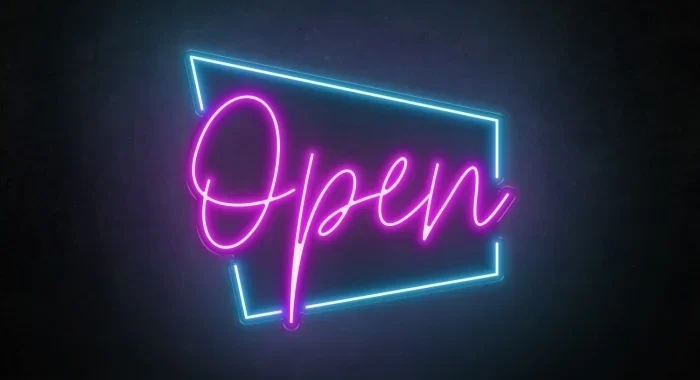

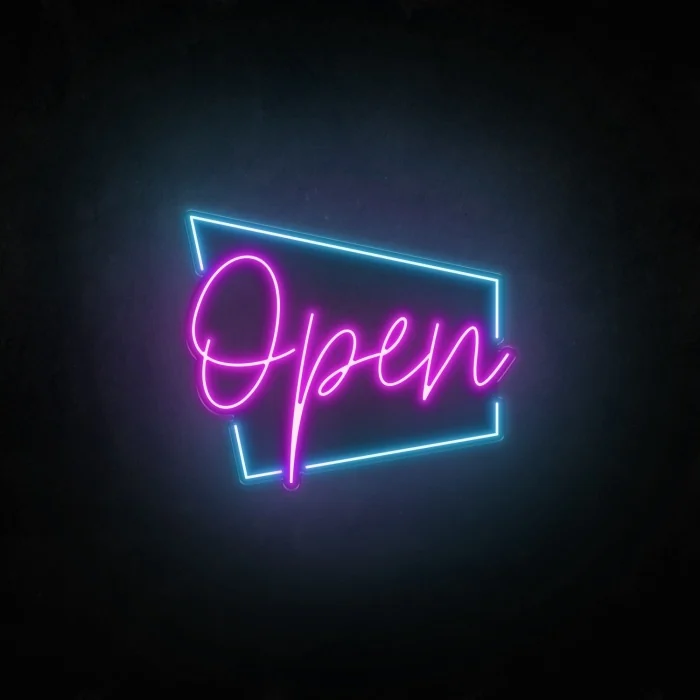
Choosing the right manufacturer is an important step when investing in custom neon signage. Whether you need an illuminated business logo, a storefront display, or decorative lighting for a residential space, the quality of the finished product depends on several factors. Materials, production techniques, customization options, electrical components, and customer support can all influence the overall experience.
Before placing an order, it is worth discussing your requirements with a potential Neon Sign Manufacturer and asking questions that reveal its capabilities. Clear answers can help you compare suppliers, understand what is included in the quotation, and avoid unexpected problems during production or after delivery.
1. What Types of Neon Signs Do You Manufacture?
Start by confirming whether the manufacturer produces the type of sign you need. Some suppliers specialize in LED neon signs, while others may also offer traditional glass neon or different illuminated signage products.
Ask about the available options, including:
- Custom text and lettering
- Business logos and branded displays
- Decorative shapes and illustrations
- Indoor and outdoor signs
- Different sizes and mounting styles
- Single-color and multicolor lighting
Understanding the manufacturer’s product range helps you determine whether it can meet your current requirements and support possible future projects.
2. What Materials and Components Do You Use?
Material quality has a direct influence on a sign’s appearance, performance, and durability. A manufacturer should be able to explain the components used in its products rather than providing only general assurances about quality.
For modern LED neon signs, ask about the LED neon flex, backing panels, power supplies, wiring, connectors, and mounting accessories.
You may also want to know:
- What material is used for the backing panel?
- Are the electrical components suitable for the sign’s size?
- How are the lighting materials protected?
- Are replacement components available?
- Can material specifications be provided before ordering?
These questions help you understand what you are paying for and whether the selected components are appropriate for the intended application.
3. Can You Customize the Design According to My Requirements?
Customization is often the main reason customers choose neon signage. However, not every manufacturer offers the same level of design flexibility.
Ask whether the company can reproduce your preferred logo, font, wording, colors, and dimensions. If your design includes detailed artwork or complicated lettering, confirm that the manufacturer can produce it accurately.
It is also useful to discuss design adjustments. Some details may need modification to ensure suitable lighting, readability, or practical construction.
A manufacturer that communicates clearly about design possibilities and limitations can help turn an initial concept into a workable product.
4. Will I Receive a Design Proof Before Production?
A design proof allows you to review the proposed sign before manufacturing begins. This is an important opportunity to identify mistakes and confirm that the final product will match your expectations.
Ask whether the manufacturer provides a digital preview showing:
- Text and spelling
- Font and letter spacing
- Colors and lighting arrangement
- Overall dimensions
- Backing panel shape
- Mounting details
Confirm whether revisions are possible and whether production begins only after your approval. Getting the specifications in writing can reduce misunderstandings later.
5. How Do You Maintain Product Quality?
A professional manufacturing process should include quality checks at different production stages. Simply describing a product as high quality does not explain how that standard is maintained.
Ask how the company checks incoming materials, verifies dimensions, inspects assembly, and tests completed signs.
For example, the finished sign should be examined for consistent illumination, secure electrical connections, accurate lettering, and clean finishing. If you are ordering multiple units, ask how the manufacturer maintains consistency across the production batch.
Understanding these procedures provides a clearer picture of the company’s approach to quality management.
6. Are Your Signs Suitable for Indoor or Outdoor Use?
The intended installation location affects material selection, electrical requirements, and construction methods. A sign designed for an indoor bedroom or reception area may not be suitable for an exposed outdoor location.
Ask the manufacturer whether the complete sign is suitable for your intended environment. For outdoor use, discuss protection against rain, dust, sunlight, humidity, and temperature changes.
You should also confirm the product’s stated protection rating and installation requirements. Do not assume that an individual LED component’s rating applies to the entire assembled sign.
7. What Safety Standards and Electrical Specifications Do You Follow?
Electrical safety is an essential consideration when purchasing illuminated signage. The manufacturer should be able to explain the power requirements and electrical components used in the product.
Important questions include:
- What input voltage does the sign require?
- Which power supply is included?
- Are the cables and connectors suitable for the application?
- Does the product meet relevant electrical requirements for the destination market?
- Are installation instructions provided?
If certifications or compliance documents are important for your project, ask which documents are available and whether they apply to the complete product.
8. What Is the Estimated Production and Delivery Time?
Production and shipping schedules can affect business openings, promotional events, and renovation projects. Before ordering, request a realistic estimate for the entire process.
Ask how much time is required for design approval, material preparation, manufacturing, inspection, packaging, and transportation.
For bulk orders, confirm whether production will take place in batches and whether partial shipments are possible. International customers should also discuss tracking, customs procedures, and any responsibilities associated with import clearance.
A clear timeline helps you plan installation and avoid relying on uncertain delivery promises.
9. What Is Included in the Quoted Price?
Comparing prices is useful, but quotations should cover the same specifications to make the comparison meaningful. A lower price may exclude components or services that another supplier includes.
Ask whether the quotation covers:
- Design and customization
- Lighting materials and backing panels
- Power supply and electrical accessories
- Mounting hardware
- Packaging and shipping
- Installation guidance, if available
- Applicable taxes or additional charges
Also confirm the payment schedule and whether any costs may change after design approval. A detailed quotation makes budgeting more predictable.
10. Do You Provide a Warranty and After-Sales Support?
A warranty can provide reassurance if the sign develops a manufacturing-related problem. However, warranty coverage differs between suppliers, so it is important to review the actual terms.
Ask about the warranty duration, covered components, exclusions, and claim process. Find out whether the company provides technical assistance and whether replacement power supplies or lighting components can be purchased.
You should also clarify what support is available if a product arrives damaged or does not match the approved specifications.
11. Can You Share Examples of Previous Projects?
A manufacturer’s previous work can help you assess its design capabilities and production experience. Request photographs or videos of completed projects that are similar to your intended sign.
When reviewing examples, pay attention to:
- Accuracy of logos and lettering
- Consistency of brightness
- Quality of edges and finishing
- Construction of backing panels
- Variety of completed designs
- Signs produced for similar environments
If possible, ask for close-up images or videos showing the signs while illuminated. These details can reveal more than standard promotional photographs.
12. Can You Handle Bulk Orders and Repeat Production?
If you are purchasing signs for multiple business locations or planning future expansion, manufacturing capacity becomes especially important.
Ask about the company’s experience with bulk orders, production scheduling, material availability, and quality consistency across large batches.
You should also find out whether approved design files and specifications can be retained for repeat orders. This can make future purchases easier and help maintain a consistent appearance across different locations.
Conclusion
Choosing a neon sign manufacturer requires more than comparing product designs and prices. Asking the right questions about materials, customization, manufacturing standards, electrical safety, production schedules, and warranty coverage can help you understand what each supplier offers.
Before making a final decision, review the manufacturer’s previous projects, request a detailed quotation, and obtain approval of the design and specifications in writing. A careful evaluation process can help you select a suitable supplier and invest in custom signage that meets your visual, functional, and long-term requirements.