

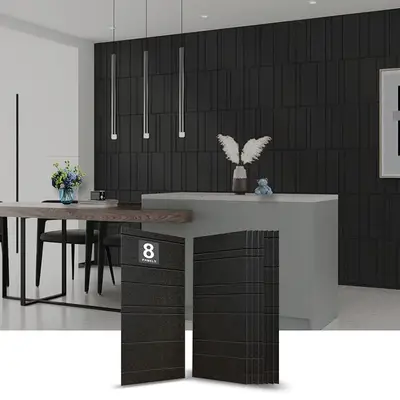
Sound quality plays an important role in how people experience indoor environments. In offices, excessive background noise can affect concentration and communication. In recording studios, unwanted reflections can interfere with accurate sound production. In auditoriums, poor acoustics may make speeches, performances, and presentations difficult to hear clearly. Each environment therefore requires a different approach to sound management.
A professional Acoustic Panel Factory helps address these challenges by manufacturing products designed for different acoustic applications. Through material selection, customized designs, controlled production, and technical guidance, manufacturers can support architects, contractors, interior designers, and building owners in creating more comfortable and functional spaces.
1. Understanding the Acoustic Needs of Different Spaces
The first step in developing an effective acoustic solution is understanding how a room will be used. Different spaces have different sound sources, layouts, occupancy levels, and performance requirements.
For example, an office may need to reduce speech reflections and background distractions, while a recording studio requires more controlled acoustic conditions. An auditorium must balance speech intelligibility, audience comfort, and sound distribution across a large seating area.
Manufacturers can offer suitable product options by considering factors such as:
- Room dimensions and ceiling height.
- Wall and ceiling construction.
- Expected occupancy and activities.
- Existing background noise.
- Desired sound absorption characteristics.
- Interior design and maintenance requirements.
This application-based approach helps prevent the use of unsuitable materials and supports better project planning.
2. Creating Acoustic Solutions for Modern Offices
Modern offices often feature open layouts, glass partitions, hard floors, and other reflective surfaces. Although these elements can create attractive interiors, they may also contribute to excessive reverberation and distracting conversations.
Acoustic panels can help improve these environments by absorbing sound reflections and making shared spaces more comfortable.
Common office applications include:
- Open-plan workspaces: Wall and ceiling panels can help control sound reflections in areas with multiple employees.
- Meeting rooms: Acoustic treatments can improve speech clarity during discussions and video conferences.
- Private offices: Suitable panels can help create more comfortable environments for focused work.
- Reception areas: Decorative acoustic panels can combine sound absorption with attractive interior finishes.
- Collaboration spaces: Ceiling treatments and wall panels can help manage noise in frequently used shared areas.
Factories may offer different panel sizes, colors, thicknesses, and mounting options to suit office layouts. The final selection should consider both acoustic requirements and the visual design of the workplace.
3. Developing Specialized Panels for Recording Studios
Recording studios have more demanding acoustic requirements than many ordinary commercial spaces. Reflections, flutter echoes, and uneven room response can influence how instruments, vocals, and recorded audio are heard.
Acoustic panels are commonly used to control reflections and improve the listening environment. Depending on the room design, studios may use a combination of absorptive panels, bass traps, and other acoustic treatments.
Manufacturers can support studio projects by providing products with different thicknesses, densities, and installation configurations.
Important considerations include:
- Broadband absorption: Suitable panels can help manage reflections across a range of frequencies.
- Low-frequency control: Thicker absorbers or specialized bass traps may be needed to address low-frequency buildup.
- First reflection treatment: Panels placed at appropriate reflection points can improve monitoring conditions.
- Room-specific design: Product placement should be based on the room’s dimensions and acoustic assessment.
- Durable finishes: Studio panels should be suitable for their intended environment and maintenance needs.
It is important to understand that acoustic panels primarily manage sound within a room. They do not automatically provide sound isolation from neighboring spaces, which requires additional construction measures.
4. Manufacturing Acoustic Solutions for Auditoriums
Auditoriums present a different set of challenges because of their large dimensions, high ceilings, seating arrangements, and varied sound sources. Speakers and performers must be heard clearly throughout the audience area.
Excessive reverberation can make speech difficult to understand, while insufficient acoustic control may affect musical performances and presentations.
Acoustic panels can be installed on selected walls and ceilings to help manage sound reflections. Manufacturers may provide larger panels, decorative configurations, and products suitable for integration into architectural interiors.
Typical auditorium applications include:
- Rear and side wall acoustic treatments.
- Ceiling-mounted absorptive panels.
- Decorative wall panels around seating areas.
- Acoustic treatments near presentation and performance spaces.
- Custom panels designed to complement interior architecture.
The quantity and placement of acoustic materials should be determined according to the auditorium’s intended use and acoustic design requirements.
5. Selecting the Right Materials for Each Application
Material selection influences sound absorption, appearance, durability, and installation methods. A manufacturer serving different industries may offer several acoustic panel materials to accommodate varying project requirements.
Common options include:
Polyester Fiber Panels: These lightweight panels are available in different colors, thicknesses, and shapes. They are frequently used in offices, educational facilities, and decorative interior applications.
PET Acoustic Panels: PET-based products can be manufactured in various forms and finishes. Some contain recycled polyester content, depending on the product specification.
Fabric-Wrapped Panels: These products combine an absorptive core with a decorative fabric surface, making them suitable for offices, conference rooms, and auditoriums.
Wood Acoustic Panels: Perforated or slatted wood designs can combine decorative appeal with acoustic functionality. Their performance depends on the panel construction and backing system.
The best option depends on the project’s acoustic targets, design preferences, budget, and maintenance requirements.
6. Customization for Different Architectural Designs
Offices, studios, and auditoriums rarely share identical layouts. As a result, standard panel dimensions and finishes may not always be appropriate.
Manufacturers can support project-specific requirements through customized shapes, sizes, colors, patterns, and surface treatments. Some projects may require panels that fit around lighting systems, ceiling features, doors, or other architectural elements.
Customization offers several benefits:
- Better integration with interior design concepts.
- More suitable dimensions for unusual spaces.
- Greater flexibility in wall and ceiling arrangements.
- Consistent appearance across multiple rooms.
- Opportunities to combine decorative and acoustic functions.
Providing accurate drawings and specifications before production helps manufacturers create products that fit the intended installation.
7. Maintaining Quality Across Different Projects
Acoustic products must meet agreed specifications to perform reliably. Manufacturing inconsistencies in thickness, dimensions, material composition, or finishing can affect installation and create variations across large spaces.
Professional factories use quality-control procedures to monitor different stages of production. These may include raw material inspections, dimensional checks, surface evaluations, assembly inspections, and packaging reviews.
For projects with specific acoustic targets, buyers should also request relevant test reports. Measurements such as the Noise Reduction Coefficient (NRC) can help describe sound absorption under specified laboratory conditions. However, actual room performance depends on factors such as product placement, mounting arrangements, room dimensions, and the surrounding surfaces.
Consistent manufacturing and appropriate acoustic planning work together to produce better results.
8. Supporting Architects, Contractors, and Interior Designers
A successful acoustic installation requires coordination between several project participants. Architects establish design requirements, acoustic consultants evaluate room performance, and contractors manage installation and construction schedules.
Manufacturers can support this process by providing product specifications, samples, technical information, customization options, and installation recommendations.
Clear communication is especially important for large developments where acoustic panels must be coordinated with electrical systems, lighting, ceiling structures, and other interior finishes.
Working with an experienced manufacturer can help project teams identify suitable products earlier and reduce the risk of material-related complications during installation.
9. Balancing Acoustic Performance, Appearance, and Budget
Every project has financial and design limitations. The most expensive acoustic panel is not necessarily the most suitable choice, just as the lowest-priced product may not provide the required performance or durability.
Buyers should compare products based on several factors:
- Tested sound absorption performance.
- Material quality and expected service life.
- Available dimensions and finishes.
- Installation requirements.
- Maintenance considerations.
- Manufacturing and delivery lead times.
- Total project cost.
Evaluating these factors together helps building professionals select acoustic solutions that meet practical needs without compromising important design or performance objectives.
Conclusion
An acoustic panel factory creates solutions for offices, studios, and auditoriums by adapting materials, designs, and manufacturing processes to the specific needs of each environment. While offices often prioritize speech comfort and reduced distractions, studios require more controlled sound reflections, and auditoriums need carefully planned acoustic treatments for larger audiences.
By offering suitable product options, customization, consistent quality, and technical support, manufacturers help architects and contractors address these different challenges. Selecting the right acoustic panels and combining them with proper room design can contribute to more comfortable, functional, and acoustically balanced indoor spaces.