

Introduction
Selecting the right surface material is an important part of any residential or commercial construction project. Countertops, bathroom vanities, reception desks, wall panels, and other interior features must meet practical requirements while complementing the overall design. A suitable material should offer an appropriate balance of appearance, durability, maintenance, fabrication flexibility, and cost.
Solid surface materials have become an option for projects that require smooth finishes, customized shapes, and coordinated interior elements. However, buyers should evaluate several factors before making a purchase. Understanding the characteristics of KingKonree Solid Surface products and comparing them with project requirements can help architects, contractors, distributors, and property owners make more informed decisions.
1. Identify the Intended Application
The first step when purchasing solid surface materials is determining where and how they will be used. Different applications have different performance and design requirements.
Kitchen Countertops
Kitchen surfaces are exposed to food stains, moisture, cleaning products, sharp utensils, and occasional heat. Buyers should consider stain resistance, ease of cleaning, surface durability, and suitable thickness.
They should also check whether the selected material is appropriate for the expected level of food preparation and daily use.
Bathroom Vanities and Washbasins
Bathroom installations require materials that can handle frequent water exposure, soap residue, cosmetics, and regular cleaning.
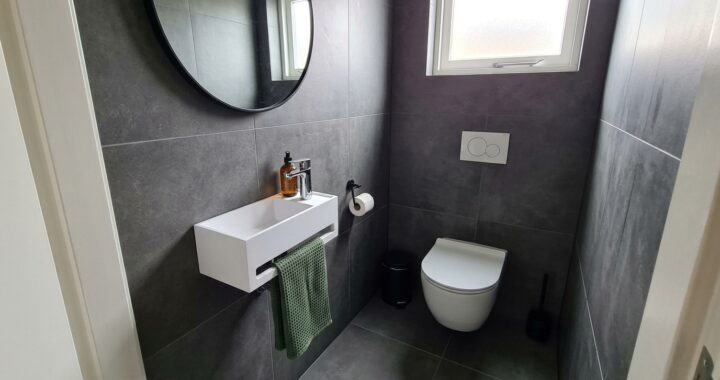
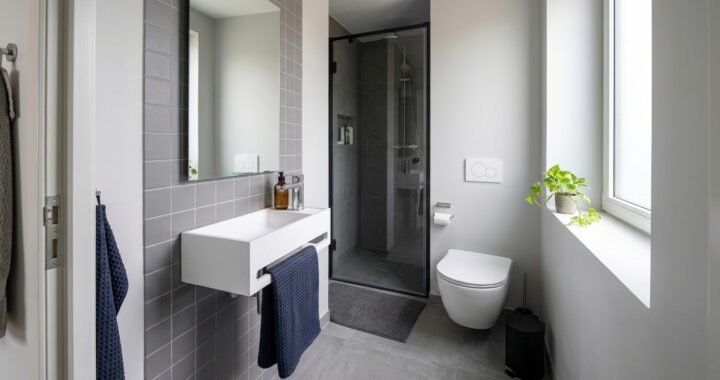
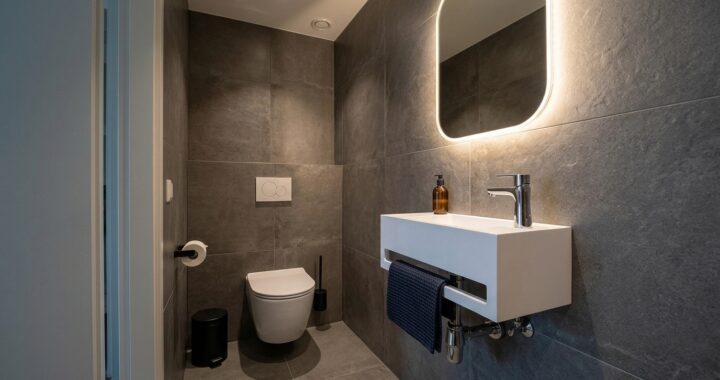
Solid surface products are often considered for vanity tops and integrated washbasins because they support smooth, coordinated designs. Buyers should examine the available basin styles, dimensions, and installation requirements.
Commercial Reception Areas
Hotels, offices, retail stores, and healthcare facilities may use solid surface materials for reception desks, service counters, and decorative features.
These applications often require customized dimensions, consistent finishes, and materials that are practical to maintain in high-traffic environments.
Wall Panels and Decorative Features
Solid surface materials can also be used for selected wall applications and interior design elements. For these projects, color consistency, panel dimensions, fabrication options, and installation methods are important considerations.
2. Evaluate Material Composition and Quality
Not all solid surface products have identical compositions or performance characteristics. Their properties depend on the types and proportions of mineral fillers, resins, pigments, and manufacturing processes used.
Buyers should request technical information about the material rather than relying only on product descriptions or appearance.
Important details to review include:
- Material composition and resin type.
- Surface density and consistency.
- Available thicknesses and dimensions.
- Resistance to common stains and chemicals.
- Heat tolerance and scratch resistance.
- Applicable product testing and certifications.
These details help determine whether a particular product is suitable for its intended environment. They also provide a basis for comparing different materials and suppliers.
3. Choose the Right Color and Surface Finish
Appearance plays an important role in solid surface selection because countertops and other visible installations contribute significantly to interior design.
Manufacturers may offer different colors, patterns, and finishes, ranging from plain shades to designs inspired by natural stone.
Consider the Interior Design Theme
For minimalist interiors, neutral colors such as white, beige, and gray can create a clean and coordinated appearance. More distinctive patterns may be suitable for feature counters or reception areas.
The selected material should complement flooring, cabinetry, wall colors, lighting, and other interior elements.
Compare Matte and Glossy Finishes
Matte finishes generally provide a softer appearance and may help reduce the visibility of reflections. Glossy finishes create a brighter visual effect but may make fingerprints or surface marks more noticeable under certain lighting conditions.
The best choice depends on the design concept, cleaning expectations, and intended application.
Request Physical Samples
Digital images do not always represent the exact color or texture of a finished product. Lighting, screen settings, and image processing can influence how a material appears.
Requesting physical samples allows buyers to evaluate the actual finish and compare it with nearby materials before placing a large order.
4. Check Available Sizes and Thicknesses
The dimensions of solid surface materials influence fabrication, installation, structural support, and overall project cost.
Buyers should confirm the available sheet sizes and thickness options before finalizing their designs.
Larger sheets may help reduce the number of joints in extensive countertop installations. However, transportation, access restrictions, handling requirements, and fabrication equipment must also be considered.
Thickness should be selected according to the intended application and the manufacturer’s recommendations. A material used for a vanity top may have different requirements from one used for a large commercial counter.
Accurate measurements are essential because incorrect dimensions can lead to unnecessary cutting, material waste, and project delays.
5. Assess Durability and Performance Requirements
A countertop or vanity surface should be selected according to the conditions it will experience throughout its service life.
Although solid surface materials can offer practical advantages, buyers should understand their performance limitations before purchasing.
Scratch Resistance
Everyday activities can create scratches, especially in busy kitchens and commercial spaces. Ask about the material’s resistance to surface abrasion and the recommended methods for preventing damage.
Cutting boards, protective mats, and suitable cleaning tools should still be used.
Heat Resistance
Solid surface materials have specific temperature limitations. Direct contact with hot cookware or heated equipment may cause damage, so heat protection is important.
Check the manufacturer’s technical specifications before using the material near heat-producing appliances.
Stain Resistance
The ability to resist stains is particularly important for kitchen and bathroom installations. Ask for information about performance against common substances such as coffee, oil, cosmetics, and cleaning products.
Moisture Performance
Many solid surface products feature non-porous construction, which helps limit liquid absorption. Nevertheless, proper installation and maintenance remain important, especially around seams, fixtures, and connected components.
6. Examine Fabrication and Customization Capabilities
One of the main reasons buyers consider solid surface materials is their flexibility in fabrication. Depending on the product and available processing methods, they may be shaped into customized countertops, integrated basins, curved features, and other architectural components.
Before purchasing, determine whether the supplier can support the project’s fabrication requirements.
Important questions include:
- Can the material be cut to the required dimensions?
- Are curved edges and customized shapes possible?
- Can integrated sinks or basins be fabricated?
- Are matching backsplashes and decorative components available?
- What joining and finishing methods are recommended?
- Are installation drawings or technical instructions provided?
Clear communication about customization requirements can reduce design changes and manufacturing problems later in the project.
7. Review Quality Control and Product Consistency
Consistency is particularly important when purchasing materials for large developments or multiple installations.
Differences in color, texture, thickness, or surface finish can affect the final appearance of a project. Buyers should understand how products are inspected and how manufacturing consistency is maintained.
Consider asking about:
Incoming material inspection: How are raw materials checked before production?
Production monitoring: What procedures are used to maintain consistent material composition and dimensions?
Surface inspection: How are visible defects, uneven finishes, or imperfections identified?
Batch consistency: Can the supplier provide materials with consistent appearances for projects requiring multiple sheets?
Where possible, request samples or inspection records before approving a bulk order.
8. Compare Pricing and the Total Project Cost
The purchase price is an important consideration, but it should not be the only factor in a buying decision.
The total cost of a solid surface installation may include material, fabrication, transportation, installation, accessories, and maintenance.
Buyers should compare quotations carefully to understand what is included.
For example, one quotation may cover only raw sheets, while another may include cutting, edge finishing, and customized fabrication. Comparing these prices without checking their scope can lead to misleading conclusions.
It is also useful to consider material waste. Incorrect measurements, unsuitable sheet sizes, and complicated fabrication requirements can increase the amount of material needed.
A detailed cost estimate helps buyers evaluate the overall investment more accurately.
9. Investigate Supplier Reliability and Technical Support
A reliable supplier can make the purchasing process more straightforward by providing clear product information, consistent communication, and appropriate technical assistance.
Before placing an order, evaluate the supplier’s experience, product range, manufacturing information, and ability to respond to project requirements.
Useful questions include:
- What types of solid surface products are available?
- Can technical specifications be provided?
- Are samples available for evaluation?
- What are the minimum order quantities?
- Can customized dimensions or finishes be supplied?
- What support is available if installation or product issues occur?
Buyers handling large commercial projects should also discuss production capacity, delivery arrangements, and communication procedures.
10. Understand Minimum Order Quantities and Lead Times
Order requirements can significantly influence project planning, especially for contractors, distributors, and businesses purchasing materials in bulk.
Some suppliers may have minimum order quantities that vary according to color, thickness, customization, or product type.
Lead times may also depend on production schedules, stock availability, order volume, and transportation arrangements.
Before confirming an order, obtain a written estimate covering production and delivery schedules. Allow additional time for sample approval, fabrication, installation preparation, and unexpected delays.
For large projects, coordinating material deliveries with construction milestones can help prevent storage problems and interruptions to installation work.
11. Check Packaging, Transportation, and Storage Requirements
Solid surface sheets and finished components need appropriate handling during transportation and storage. Poor handling can result in scratches, chips, cracks, or other damage before installation.
Buyers should ask how materials are packaged and protected during shipment.
They should also confirm the following:
- Whether sheets are protected against surface abrasion.
- How edges and corners are secured.
- Whether products are clearly labeled by color and batch.
- What handling equipment is recommended.
- Whether storage instructions are available.
- How damaged goods should be reported and documented.
On arrival, inspect the shipment and compare the delivered products with the purchase order. Report visible damage or discrepancies promptly.
12. Review Warranty Terms and After-Sales Support
Warranty conditions are another important part of the purchasing process. Buyers should understand what the warranty covers, how long it remains valid, and which conditions may affect coverage.
Review the documentation for information about manufacturing defects, installation responsibilities, maintenance requirements, and exclusions.
It is also important to clarify whether technical support or repair guidance is available after delivery.
Keep purchase records, product specifications, approved samples, and warranty documents in an organized location. These records can be useful if questions arise during installation or later use.
13. Common Purchasing Mistakes to Avoid
Even carefully planned projects can encounter problems when buyers overlook important product details.
Some common mistakes include:
- Selecting materials based only on photographs or display samples.
- Choosing a color without considering the surrounding interior finishes.
- Ignoring thickness and dimensional requirements.
- Assuming every solid surface product has identical performance.
- Overlooking fabrication and installation costs.
- Failing to confirm minimum order quantities and delivery schedules.
- Not reviewing technical specifications or maintenance instructions.
- Placing large orders without checking sample quality and batch consistency.
Avoiding these mistakes can improve purchasing decisions and reduce the risk of costly project changes.
14. A Practical Checklist Before Placing an Order
A structured checklist helps buyers confirm that the selected material meets project requirements before making a financial commitment.
| Purchasing Factor | What to Confirm |
|---|---|
| Application | Suitability for the intended installation |
| Composition | Material details and technical specifications |
| Appearance | Approved color, pattern, and finish |
| Dimensions | Sheet size, thickness, and required quantities |
| Performance | Scratch, stain, moisture, and heat limitations |
| Fabrication | Cutting, shaping, and customization options |
| Quality | Inspection procedures and batch consistency |
| Cost | Material, processing, delivery, and installation expenses |
| Supply | Minimum order quantity and lead time |
| Logistics | Packaging, transportation, and storage |
| Warranty | Coverage, conditions, and after-sales assistance |
Conclusion
Purchasing solid surface materials requires more than choosing an attractive color or comparing prices. Buyers should consider the intended application, material composition, durability, available dimensions, fabrication capabilities, and long-term maintenance requirements.
Supplier reliability, quality control, delivery arrangements, and warranty conditions also influence the success of a project. Evaluating these factors before ordering can help prevent unnecessary expenses and ensure that the selected material meets practical and design expectations.
By reviewing samples, checking technical documentation, and communicating clearly with the supplier, architects, contractors, distributors, and property owners can make more confident purchasing decisions. A careful selection process helps ensure that solid surface materials contribute to functional, attractive, and well-planned interior spaces.