
Selecting the right metal detection system is an important decision for food manufacturers that want to maintain product safety, improve quality control, and comply with industry standards. A suitable metal detector should match the production environment, product characteristics, and inspection requirements.
With many options available, businesses need a clear evaluation process before making a purchase. When comparing Food Processing Metal Detectors for Sale, using a checklist can help ensure the selected equipment provides reliable performance and long-term value.
1. Identify Your Product Requirements
The first step is understanding the type of products that will be inspected. Different foods have different characteristics that can influence metal detection performance.
Consider:
- Product type
- Product size and shape
- Moisture content
- Temperature conditions
- Packaging materials
- Production volume
A clear understanding of your products helps determine the most suitable metal detection technology.
2. Choose the Correct Metal Detector Type
Food processing facilities use different metal detector designs depending on their applications. Selecting the right type ensures better accuracy and easier integration.
Common options include:
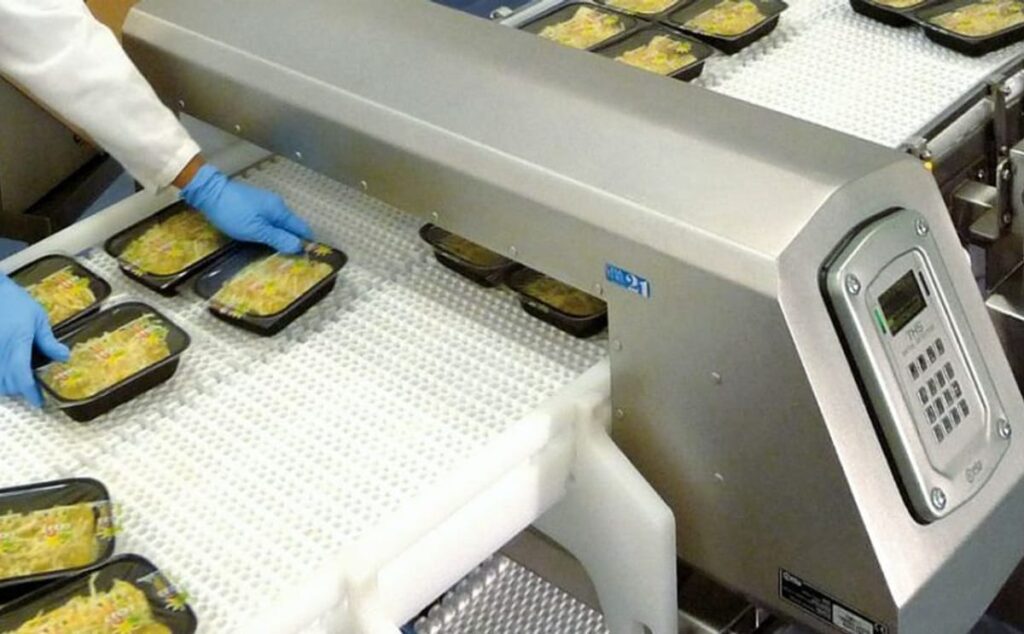
Conveyor Metal Detectors
Suitable for solid products moving along production lines, including:
- Packaged foods
- Bakery items
- Frozen products
- Snacks
- Meat products
Pipeline Metal Detectors
Designed for liquid and semi-liquid products such as:
- Sauces
- Dairy products
- Beverages
- Liquid ingredients
Gravity-Fed Metal Detectors
Used for free-flowing dry products, including:
- Flour
- Sugar
- Rice
- Spices
- Powdered ingredients
Choosing the correct system type is essential for effective inspection.
3. Check Detection Sensitivity
Detection sensitivity determines how accurately the equipment can identify metal contaminants. A quality metal detector should detect small particles while minimizing false rejections.
Evaluate whether the system can detect:
- Ferrous metals
- Non-ferrous metals
- Stainless steel contaminants
The required sensitivity depends on product characteristics and industry safety requirements.
4. Evaluate Production Line Compatibility
The metal detector should integrate smoothly with your existing production setup.
Check the following:
- Conveyor dimensions
- Production speed
- Available installation space
- Product handling method
- Connection with other equipment
Proper compatibility helps prevent production delays and installation problems.
5. Consider Hygiene and Construction Quality
Food processing environments require equipment that supports strict sanitation procedures. The design and materials used in the metal detector should allow easy cleaning and reliable operation.
Important features include:
- Stainless steel construction
- Corrosion resistance
- Smooth surfaces
- Easy maintenance access
- Protection against moisture
Good hygienic design supports food safety and extends equipment lifespan.
6. Review Reject System Options
A reliable metal detector should include an effective method for removing contaminated products from the production line.
Common reject options include:
- Air blast systems
- Push arm mechanisms
- Drop flap systems
- Conveyor stop functions
The correct reject method depends on product size, weight, and production speed.
7. Examine User Interface and Controls
Modern metal detectors often include digital control systems that simplify operation and monitoring.
Look for features such as:
- Touchscreen displays
- Automatic product setup
- Alarm notifications
- Digital performance tracking
- Easy parameter adjustment
User-friendly controls reduce training time and improve daily operation.
8. Check Data Recording Capabilities
Food manufacturers often need detailed records for quality management and audits. Equipment with data tracking features can support better traceability.
Useful data functions include:
- Inspection history
- Reject records
- Calibration information
- Operator activity logs
- Performance reports
Accurate records improve transparency and support compliance programs.
9. Evaluate Maintenance Requirements
Long-term performance depends on proper maintenance. Before purchasing, understand the equipment’s servicing needs.
Consider:
- Cleaning requirements
- Calibration frequency
- Spare parts availability
- Technical support options
- Expected service life
Reliable support can reduce downtime and improve operational efficiency.
10. Verify Safety and Compliance Features
The chosen metal detector should support food safety procedures and industry requirements.
Review whether the equipment supports:
- HACCP programs
- Quality control procedures
- Safety documentation
- Testing and validation processes
Compliance-ready equipment helps manufacturers maintain consistent safety standards.
11. Compare Total Cost of Ownership
The purchase price is only one part of the investment. Businesses should also consider long-term operating costs.
Evaluate:
- Energy consumption
- Maintenance expenses
- Equipment durability
- Replacement parts
- Downtime risks
A reliable system often provides better value over its entire service life.
12. Consider Future Production Needs
Production requirements may change as businesses grow. Choosing a flexible metal detector can make future expansion easier.
Think about:
- Increased production capacity
- New product types
- Additional production lines
- Future automation needs
Planning ahead helps protect your investment.
Conclusion
Buying the right food processing metal detector requires careful evaluation of product requirements, detection performance, equipment design, compliance features, and long-term support. By following a detailed checklist, manufacturers can select inspection equipment that improves food safety, increases production efficiency, and provides dependable performance for years to come.
Yesterday 11:17 PM