

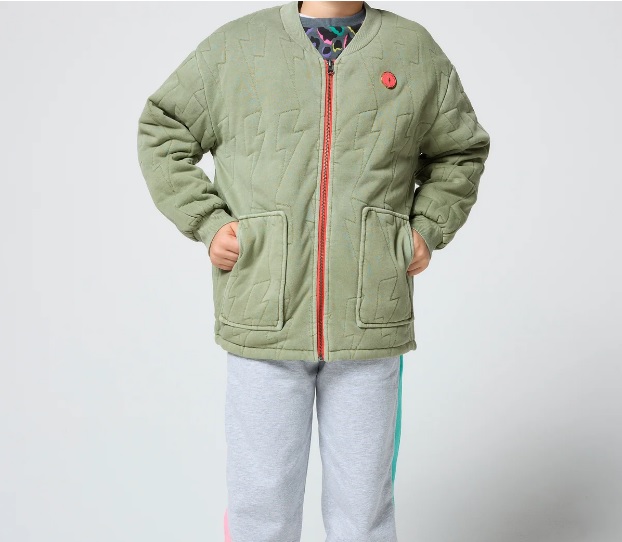
Choosing the right jacket is important for keeping children comfortable during changing weather conditions. Different jacket materials offer different levels of warmth, protection, and flexibility. Fleece, quilted, and windbreaker jackets are among the most useful options for everyday wear, outdoor activities, and seasonal dressing. Each style serves a specific purpose, making it easier to select suitable kids jackets according to temperature and daily needs. Understanding the differences between these jacket types helps parents make practical clothing choices. From soft fleece layers to insulated quilted designs and lightweight windbreakers, each option provides useful features for growing children.
Understanding Different Types of Kids Jackets
Children’s jackets are available in several designs, fabrics, and thicknesses. The right choice depends on the weather, activity level, and comfort requirements. Fleece, quilted, and windbreaker jackets are particularly popular because each offers different benefits. Fleece provides softness and warmth, quilted jackets offer insulation, while windbreakers help protect against cool air and light wind. Understanding these differences makes seasonal clothing selection easier and helps ensure that children remain comfortable throughout the day.
Fleece Jackets for Softness and Everyday Warmth
Fleece jackets are a comfortable option for cool weather because of their lightweight construction and soft texture. Made from synthetic fleece fabric, these jackets help retain body warmth without adding excessive weight. The breathable material also makes fleece suitable for layering over T-shirts, tops, and casual outfits. Full-zip designs, high collars, and elastic cuffs provide additional comfort and coverage. Fleece jackets work well for school mornings, family outings, playground visits, and relaxed everyday activities. However, standard fleece is not completely waterproof, so an additional protective layer may be necessary during rainy weather.
Quilted Jackets for Better Insulation
Quilted jackets are designed with stitched sections that hold insulating material between fabric layers. This construction helps distribute warmth across the jacket and creates a comfortable barrier against cold temperatures. Depending on the filling, quilted designs can provide light or medium insulation. These jackets are useful during autumn, winter, and chilly mornings. Common features include padded interiors, secure front closures, side pockets, and comfortable collars. Quilted jackets are available in different lengths and styles, making them suitable for casual outfits and slightly more formal seasonal dressing. Choosing a lightweight quilted jacket can provide warmth without restricting movement.
Windbreaker Jackets for Windy Weather
Windbreaker jackets are lightweight outerwear options designed to reduce the effect of cold air and breezy conditions. Most styles use tightly woven synthetic fabrics that help block wind while remaining comfortable for active children. Some designs also include water-resistant coatings for protection against light rain or moisture. Windbreakers usually feature zip closures, adjustable hoods, elastic cuffs, and practical pockets. Their lightweight construction makes them easy to carry in school bags or wear during outdoor activities. These jackets are especially useful during spring, autumn, and unpredictable weather when heavy winter clothing feels unnecessary.
Key Differences Between Fleece, Quilted and Windbreaker Jackets
Although all three jacket styles provide protection and comfort, their main functions are different. Understanding these differences helps identify the most suitable option for particular weather conditions.
| Jacket Type | Main Benefit | Suitable Weather |
| Fleece Jacket | Softness and warmth | Cool and mildly cold weather |
| Quilted Jacket | Insulation and heat retention | Cold and winter weather |
| Windbreaker Jacket | Wind protection | Breezy and mild weather |
Fleece is generally the preferred choice for comfortable layering, while quilted jackets are more suitable when additional insulation is needed. Windbreakers are ideal for active outdoor use when protection from chilly air is more important than heavy insulation. Some children may benefit from having all three styles available for different seasons.
How to Choose the Right Jacket for Children
Selecting suitable kids jackets involves more than choosing an attractive colour or design. Comfort, fabric quality, fit, and weather protection should receive equal attention. A well-selected jacket allows children to move freely while providing the required level of warmth.
Important factors to consider include:
- Weather conditions: Choose fleece for mild cold, quilted designs for winter, and windbreakers for breezy days.
- Fabric quality: Look for comfortable, durable materials that can handle regular use and washing.
- Proper sizing: Select a size that allows comfortable movement and enough room for a light inner layer.
- Easy closures: Zippers, buttons, and adjustable fastenings should be simple and secure.
- Comfortable lining: Soft interior fabrics can reduce irritation and improve everyday comfort.
- Practical features: Pockets, hoods, elastic cuffs, and adjustable hems can make jackets more useful.
Best Jacket Options for Different Seasons
Seasonal changes influence the type of outerwear children need. A heavy winter jacket may feel uncomfortable during spring, while a lightweight windbreaker may not provide sufficient warmth during colder months. Matching jacket styles with seasonal conditions helps maintain comfort throughout the year.
Spring Season
Spring weather can change throughout the day, with cool mornings and warmer afternoons. Lightweight fleece and windbreaker jackets are practical choices for this season. Breathable materials help prevent overheating, while wind-resistant fabrics offer additional protection during outdoor activities.
Summer Evenings
Summer generally requires lighter clothing, but cooler evenings may call for an extra layer. Thin windbreaker jackets can provide comfortable coverage without feeling heavy. Lightweight designs are also easy to fold and carry when temperatures increase.
Autumn Season
Autumn brings cooler temperatures and stronger winds in many areas. Medium-weight fleece and quilted jackets are useful during this period. Layering a fleece jacket with a windbreaker can also provide additional protection when weather conditions change.
Winter Season
Winter requires jackets with better insulation and warmth retention. Quilted jackets with suitable padding and comfortable linings are useful for colder days. In particularly chilly conditions, fleece layers can be worn underneath an insulated outer jacket for added warmth.
Popular Features to Look for in Kids’ Winter Jackets
Modern children’s jackets combine practical details with comfortable designs. Certain features can improve everyday usability and make seasonal clothing more suitable for school, travel, and outdoor activities.
- Hooded designs: Provide additional coverage for the head and neck during cold or windy weather.
- Elastic cuffs: Help reduce cold air entering through the sleeves.
- Secure zippers: Make jackets easier to wear and remove.
- Side pockets: Offer convenient storage for small everyday items.
- Soft inner lining: Improves comfort during extended wear.
- Lightweight padding: Provides insulation without making the jacket unnecessarily bulky.
- Adjustable hems: Help create a more comfortable fit.
For younger children, smooth seams, easy fastenings, and comfortable necklines are particularly important. Clothing should never restrict normal movement or create unnecessary discomfort.
Tips for Maintaining Fleece, Quilted and Windbreaker Jackets
Proper care helps maintain fabric quality, shape, and overall appearance. Different jacket materials may require different washing methods, so checking the care label before cleaning is important. Fleece jackets generally benefit from gentle washing and low-temperature drying. Fabric softeners should be avoided when the manufacturer’s instructions recommend against them because certain products can affect fleece performance.
Quilted jackets should be washed according to the filling and fabric instructions. Gentle washing helps protect the padding and stitched sections. Windbreakers usually require mild detergent and careful cleaning to preserve water-resistant coatings. Jackets should be completely dry before storage to prevent unpleasant smells and moisture damage. Keeping seasonal outerwear clean and properly stored can also extend its useful life.
Styling Ideas for Comfortable Children’s Outfits
Jackets can complement different children’s outfits while providing practical protection against changing temperatures. Fleece jackets pair well with jeans, joggers, leggings, and comfortable sneakers. Quilted jackets look suitable with trousers, warm tops, and winter footwear. Windbreakers complement casual outfits, tracksuits, and sportswear, making them a useful choice for active days.
Neutral colours such as black, navy, grey, and beige are easy to coordinate with different clothing combinations. Brighter shades, colourful patterns, and playful prints can add personality to everyday outfits. The most suitable style depends on personal preferences, weather conditions, and the child’s daily activities.
Finding Quality Kids Jackets at Bachaa Party
Bachaa Party offers a convenient shopping destination for parents exploring children’s clothing and seasonal fashion options. The store provides access to a variety of kidswear styles, making it easier to explore comfortable clothing for different ages and occasions. When searching for fleece, quilted, or windbreaker jackets, parents can consider fabric quality, suitable sizing, warmth, and practical features before making a selection. Bachaa Party provides an opportunity to explore children’s fashion in one place while considering everyday comfort and seasonal requirements. Choosing suitable outerwear helps children stay comfortable, protected, and ready for different activities throughout the year.