

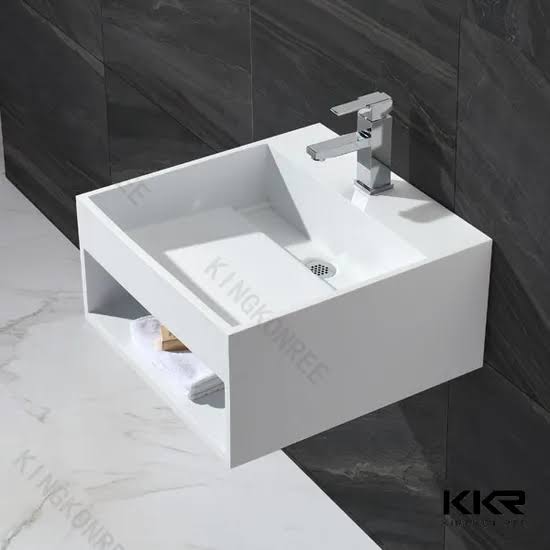
Modern bathroom design is increasingly moving toward personalized solutions that reflect individual preferences, architectural requirements, and practical needs. Homeowners, interior designers, and commercial property developers often look for bathroom products that fit specific dimensions, complement existing interiors, and provide reliable everyday performance. Standard fixtures may not always meet these expectations, making customization an important part of contemporary bathroom planning.
Manufacturers are responding to this demand by developing flexible product designs, offering different material options, and improving their production capabilities. KingKonree operates in the solid surface and bathroom products industry, where adaptable materials and manufacturing techniques support different design requirements. Understanding how customization works can help buyers and designers create bathrooms that balance personal style with functionality.
Understanding the Importance of Customization in Modern Bathrooms
Every bathroom has unique requirements based on its dimensions, layout, intended use, and interior style. A product that works well in a spacious residential bathroom may not be suitable for a compact apartment or a high-traffic commercial washroom.
Customization helps address these differences by allowing products to be adapted to specific project conditions.
Some important reasons for choosing customized bathroom solutions include:
- Better use of available space.
- Greater flexibility in product dimensions and shapes.
- Improved coordination between different bathroom fixtures.
- More choices in colors, textures, and finishes.
- Better compatibility with specific architectural layouts.
- Opportunities to create distinctive interior designs.
These advantages make customization valuable for both small residential renovations and large commercial developments.
How Solid Surface Materials Enable Customized Bathroom Designs
Material selection plays an important role in determining how much flexibility a bathroom product can offer. Solid surface materials are engineered products that can be fabricated into different shapes and configurations.
Their composition generally includes mineral fillers, resin systems, pigments, and other components that influence their physical characteristics.
Flexible Shapes and Configurations
Solid surface materials can support different product forms through suitable molding and fabrication techniques. This allows manufacturers to produce countertops, washbasins, bathtubs, and other bathroom components in various configurations.
Designers can explore curved edges, integrated fixtures, and specialized shapes when developing customized interiors.
Integrated Product Designs
Integrated bathroom products are popular in contemporary interiors because they create a coordinated appearance.
For example, a washbasin can be designed as part of a countertop installation, reducing visible transitions between components. This approach works particularly well in minimalist bathrooms where smooth surfaces and clean lines are important.
Different Surface Finishes
Customization also involves selecting suitable colors and finishes. Solid surface materials can be manufactured in various shades and patterns, allowing designers to coordinate bathroom fixtures with cabinetry, flooring, and wall materials.
The available options depend on the specific material range and manufacturing capabilities.
Customized Washbasins for Different Bathroom Layouts
Washbasins are among the most frequently used bathroom fixtures, and their dimensions and shapes directly influence the functionality of the space.
Customized basin designs can help accommodate unusual layouts and individual preferences.
Customized Basin Dimensions
Compact bathrooms may require smaller washbasins to preserve movement space. Larger bathrooms, on the other hand, may accommodate wider basins or double-basin installations.
Customized dimensions allow designers to select products according to available space and intended use.
Unique Shapes and Styles
Washbasins are available in rectangular, oval, round, and other geometric configurations. Some projects may require distinctive shapes to complement a particular architectural concept.
Solid surface fabrication can support different design approaches, depending on the product specifications and manufacturing process.
Coordinated Countertop Installations
An integrated basin and countertop can create a visually consistent vanity area. This configuration is useful in modern residential bathrooms, hotels, and commercial washrooms where a clean appearance is desirable.
Custom Bathroom Vanities for Better Space Utilization
Bathroom vanities combine storage, washing facilities, and decorative elements. Their design must account for available space, plumbing connections, and the storage needs of users.
Customization allows designers to develop vanity solutions that meet these requirements.
Tailored Countertop Sizes
Standard countertop dimensions may not fit every bathroom layout. Customized countertops can accommodate unusual wall lengths, corner installations, and specialized basin arrangements.
Accurate measurements are essential to ensure proper installation.
Flexible Storage Arrangements
Different households and commercial facilities have different storage requirements. Vanity designs can incorporate drawers, cabinets, open shelving, and concealed compartments.
These arrangements help keep personal care products and bathroom essentials organized.
Coordinated Materials and Colors
A vanity should complement the bathroom’s overall interior design. Customized countertop finishes and coordinated cabinet materials can help establish a balanced appearance.
Neutral shades are often selected for minimalist spaces, while contrasting finishes can introduce visual interest.
Customized Bathtub Designs for Residential and Hospitality Projects
Bathtubs can become important design features, particularly in spacious bathrooms and hospitality environments.
However, selecting a bathtub requires careful consideration of dimensions, installation conditions, and user comfort.
Different Bathtub Shapes
Freestanding bathtubs, oval models, rectangular designs, and other configurations provide different visual and functional possibilities.
The most appropriate shape depends on the available floor area and the intended bathroom layout.
Size and Proportion
A bathtub should fit comfortably within the room without restricting movement or access to other fixtures.
Customized dimensions may help designers accommodate unusual spaces, although plumbing connections and installation requirements must also be considered.
Material and Surface Selection
The selected material affects the bathtub’s weight, appearance, maintenance requirements, and overall performance.
Solid surface options can support distinctive shapes and refined finishes. Buyers should review the manufacturer’s technical specifications before choosing a product for a particular project.
Supporting Different Interior Design Styles
Customization gives interior designers more control over how bathroom fixtures contribute to the overall atmosphere of a space.
Minimalist Bathroom Designs
Minimalist interiors emphasize simplicity, neutral colors, and clean architectural lines.
Customized integrated countertops, smooth washbasins, and coordinated surfaces can help maintain a visually uncluttered appearance.
Luxury-Inspired Interiors
Luxury bathrooms often feature distinctive bathtubs, spacious vanity arrangements, and carefully coordinated materials.
Customized product dimensions and finishes can help designers create interiors that reflect a specific architectural theme.
Contemporary Residential Bathrooms
Contemporary residential designs combine attractive fixtures with everyday practicality.
Homeowners may prefer customized storage, compact washbasins, and coordinated countertops that match their personal preferences and household requirements.
Commercial and Hospitality Interiors
Hotels, offices, and public facilities often require consistent product designs across multiple spaces.
Customization can help accommodate project-specific dimensions while maintaining a coordinated appearance throughout the building.
The Role of Manufacturing Technology in Bathroom Customization
Customized bathroom products require appropriate manufacturing equipment, technical knowledge, and quality management.
Manufacturers must translate design concepts into accurate products while maintaining consistency throughout production.
Digital Design and Technical Drawings
Technical drawings and digital design tools help communicate product dimensions, shapes, and installation requirements.
These resources allow designers and manufacturers to review specifications before production begins.
Precision Fabrication
Accurate cutting, molding, shaping, and finishing are important for producing customized bathroom fixtures.
Precision helps ensure that different components fit together correctly, particularly in integrated countertop and basin installations.
Quality Inspection
Customized products require careful inspection because variations in dimensions or finishes can affect installation results.
Quality checks may include:
- Verifying approved product measurements.
- Checking surface consistency and finish quality.
- Examining structural characteristics.
- Reviewing component alignment.
- Inspecting finished products before packaging.
These procedures help reduce manufacturing inconsistencies and support reliable project outcomes.
Benefits of Custom Bathroom Solutions for Interior Designers
Customization provides interior designers with greater control over product selection and spatial planning.
Some important benefits include:
- Creative flexibility: Designers can explore different shapes, colors, and configurations.
- Improved space planning: Products can be adapted to unusual bathroom dimensions.
- Design consistency: Coordinated fixtures help establish a unified interior appearance.
- Project compatibility: Customized products can address specific architectural requirements.
- Better user experience: Appropriate dimensions and layouts can improve everyday convenience.
- Distinctive interiors: Personalized products help create spaces with individual character.
These benefits make customization an important consideration in modern residential and commercial design projects.
Factors to Consider Before Ordering Customized Bathroom Products
Although customization offers many advantages, it requires careful planning. Incorrect measurements or incomplete specifications can create production and installation difficulties.
Buyers should consider the following factors before placing an order:
- Accurate measurements: Confirm bathroom dimensions and installation areas.
- Material selection: Choose materials suitable for the intended environment.
- Design approval: Review drawings, product shapes, and finish samples.
- Technical compatibility: Check plumbing connections and mounting requirements.
- Production lead times: Allow sufficient time for customized manufacturing.
- Quality standards: Understand the manufacturer’s inspection procedures.
- Budget planning: Compare customization costs with project requirements.
- Warranty conditions: Review coverage for customized products.
Clear communication between designers, manufacturers, contractors, and property owners helps prevent misunderstandings during production and installation.
Future Trends in Bathroom Customization
The demand for personalized bathroom products is expected to continue as consumers seek interiors that reflect their preferences and lifestyles.
Greater Design Personalization
Customized colors, dimensions, integrated fixtures, and specialized surface finishes will remain important in contemporary bathroom projects.
Sustainable Product Development
Manufacturers are increasingly exploring efficient material usage, reduced production waste, and responsible sourcing.
Future customization processes may place greater emphasis on environmental performance alongside design flexibility.
Smart Bathroom Integration
Smart mirrors, touchless faucets, automated lighting, and digital shower controls are influencing modern bathroom planning.
Customized layouts can help accommodate these technologies while maintaining an organized appearance.
Advanced Manufacturing Capabilities
Automation, digital modeling, and precision fabrication can make customized production more efficient.
These technologies may also help manufacturers manage complex designs while maintaining consistent product quality.
Conclusion
Customization has become an important part of modern bathroom design because it allows products to accommodate different dimensions, architectural styles, and functional requirements. From personalized washbasins and vanity countertops to distinctive bathtubs and integrated installations, customized solutions provide greater flexibility for residential and commercial projects.
KingKonree represents the role of specialized manufacturers in this evolving industry through its focus on solid surface materials and bathroom products. Material versatility, manufacturing precision, product variety, and careful quality control are important factors in delivering bathroom solutions that meet specific project requirements.
As design preferences continue to evolve, customization will remain valuable for creating bathrooms that combine individual character, practical functionality, and contemporary aesthetics.