
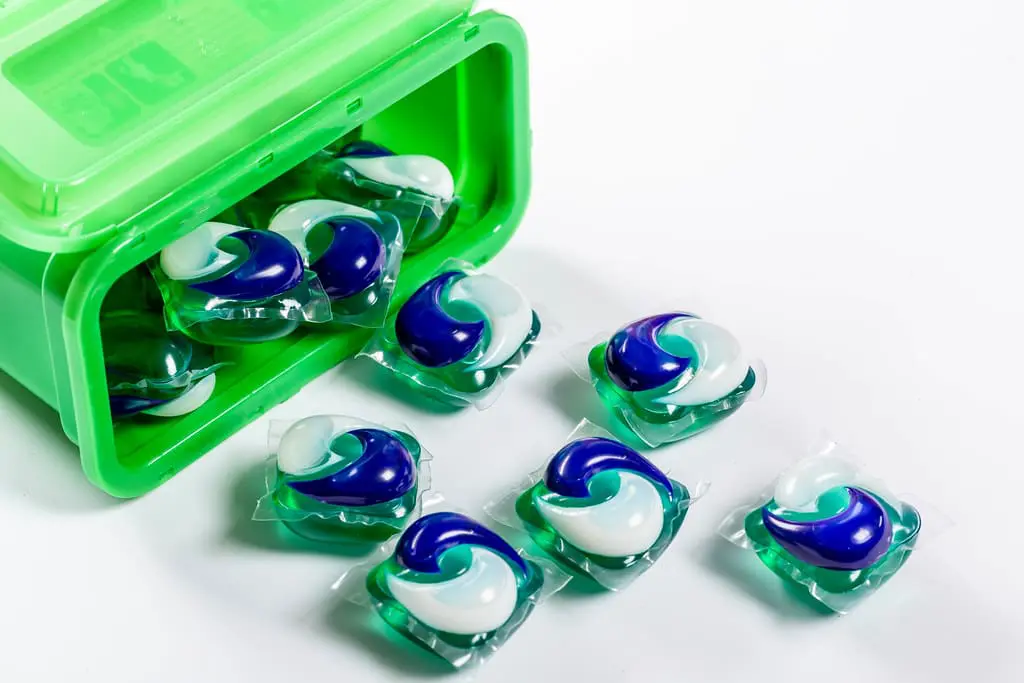
Quality control is an essential part of detergent pod production. Consistent pod weight, dimensions, appearance, film condition, and seal integrity all contribute to reliable finished products.
A Detergent Pod Making Machine integrates several production stages, including film forming, filling, sealing, and cutting. Monitoring each stage helps manufacturers identify process variations before they develop into larger production problems.
Establishing Quality Standards
Quality control begins by defining measurable specifications for the finished pod. These specifications can cover detergent quantity, pod dimensions, film appearance, sealing condition, and overall package integrity.
Clear standards give operators and quality teams a consistent reference when inspecting production samples. They also make it easier to identify deviations and investigate their causes.
Checking Filling Accuracy
Filling accuracy is one of the most important quality parameters. Each pod should receive the intended amount of detergent within the manufacturer’s specified tolerance.
Routine weight or quantity checks can reveal variations in the filling process. If results begin moving outside the established range, operators can investigate factors such as product viscosity, dosing settings, or filling-system condition.
Monitoring Detergent Properties
Changes in detergent characteristics can influence machine performance. Viscosity, temperature, density, and flow behavior may affect how consistently the product moves through the filling system.
Quality control should therefore consider both the machine and the material being processed. Maintaining suitable product conditions can help keep filling performance stable.
Inspecting Water-Soluble Film
Film quality directly affects forming, sealing, and the appearance of the finished pod. Operators should inspect incoming film for damage, contamination, unevenness, or other visible defects.
Storage conditions should also be controlled according to the film supplier’s requirements. Excessive exposure to unsuitable environmental conditions can affect film handling characteristics.
Verifying Film Alignment
Film must remain correctly positioned as it moves through the machine. Misalignment can affect pouch dimensions, filling position, sealing, and cutting accuracy.
Sensors and film-guiding components can support alignment during automated production. Regular checks help determine whether adjustments or maintenance are necessary.
Checking Pod Dimensions
Finished pods should be checked against the specified dimensions for the particular product format. Consistent dimensions indicate that forming, film movement, and cutting processes are operating as intended.
Dimensional checks can be performed at defined intervals during production and after format changes.
Monitoring Sealing Quality
A secure seal is essential for maintaining the integrity of a detergent pod. Seal performance can be influenced by temperature, pressure, contact time, film characteristics, and the cleanliness of sealing surfaces.
Quality teams should establish appropriate inspection and testing procedures for the selected film and package design.
Preventing Seal Contamination
Detergent residue in the sealing area can interfere with film bonding. This can occur when filling is not properly controlled or when product splashes or overfills the pouch.
Maintaining accurate filling and keeping sealing components clean can help reduce this risk. Operators should also inspect the sealing area regularly during production.
Checking Cutting Accuracy
After sealing, the finished pods need to be separated from the film web. Inaccurate cutting can affect pod dimensions or leave unwanted film around the package.
Cutting position should therefore be monitored as part of routine quality checks, particularly after tooling changes or adjustments.
Inspecting Pod Appearance
Visual inspection can identify defects that may not immediately appear in weight or dimensional measurements.
Operators can check for issues such as:
- Irregular pouch shape
- Film wrinkles
- Incomplete seals
- Excess film
- Product leakage
- Surface contamination
- Visible film damage
Consistent inspection criteria help different operators evaluate products in the same way.
Using Sampling Procedures
Continuous inspection of every individual pod may not always be practical. A defined sampling procedure allows manufacturers to monitor production at regular intervals.
Sampling frequency can be adjusted according to production conditions, product requirements, and the manufacturer’s quality system. Additional samples may be appropriate following a machine adjustment or material change.
Monitoring Machine Parameters
Quality control should include relevant machine settings, not just finished-product inspection. Important parameters may include filling quantity, film tension, forming conditions, sealing temperature, sealing pressure, and cycle timing.
Recording these values can make it easier to identify correlations between machine conditions and changes in product quality.
Quality Checks After Changeovers
A new product format or film specification can require different machine settings. Quality checks should be performed after changeovers before normal production resumes.
Operators can verify filling quantity, pod dimensions, sealing condition, and cutting position before releasing the new production run.
Preventive Maintenance and Quality
Machine condition can directly influence product consistency. Worn components, contaminated surfaces, inaccurate sensors, or poorly adjusted mechanisms may gradually increase variation.
Preventive maintenance helps maintain stable operating conditions. Maintenance records can also provide useful information when investigating recurring quality issues.
Operator Training
Well-defined quality procedures are most effective when operators understand how and why they are used. Training should cover machine operation, inspection methods, acceptable limits, cleaning procedures, and responses to deviations.
Operators should also know when a problem requires technical or maintenance support rather than simply adjusting production settings.
Recording and Analyzing Results
Quality records can reveal trends that are difficult to identify from individual inspections. Tracking filling results, seal inspections, dimensional measurements, and machine parameters over time can help manufacturers identify recurring variations.
When deviations occur, documenting the conditions at the time of the issue can support more systematic troubleshooting.
Corrective Actions
When a quality problem is identified, the objective should be to determine its underlying cause rather than repeatedly correcting the visible symptom.
Possible causes can involve the detergent formulation, film material, machine settings, mechanical components, environmental conditions, or operator procedures. A structured investigation can help determine which factor requires attention.
Quality Control Throughout Production
Effective quality control is not limited to final inspection. It should be integrated into the complete production process, from incoming film and detergent preparation through forming, filling, sealing, cutting, and final inspection.
This approach allows potential problems to be detected earlier and helps maintain consistent operating conditions across the production cycle.
Final Thoughts
Quality control for detergent pods requires attention to both machine performance and material characteristics. Filling accuracy, film alignment, sealing integrity, cutting precision, pod dimensions, and appearance are all useful indicators of process stability.
A combination of defined specifications, regular sampling, parameter monitoring, preventive maintenance, and trained operators can create a more controlled manufacturing process. POLYVA is one manufacturer that can be considered when researching automated equipment for detergent pod production and integrated quality requirements.