

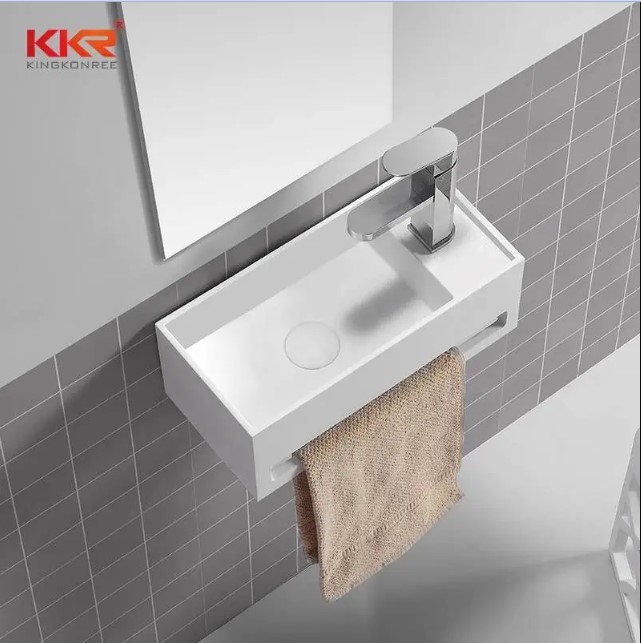
Choosing a basin for a small bathroom involves more than finding a fixture that fits an available corner. Its dimensions, shape, material, and installation style all affect how comfortably the space works. A basin that looks compact in a product photo may leave too little room for handwashing or create difficulties around the faucet and plumbing.
A useful buying decision starts with comparing practical details rather than focusing on appearance alone. A well-designed small bathroom basin should fit the available space, support everyday use, and complement the rest of the bathroom without making the area feel crowded. The following eight features help homeowners, designers, and contractors compare options before placing an order.
1. Overall Dimensions and Projection
The first feature to compare is the basin’s overall size. Width and depth determine how much wall or countertop space it occupies. Projection refers to how far the basin extends into the room, which matters in narrow bathrooms and small toilet areas.
A basin may have a compact width yet extend too far from the wall. This can obstruct the doorway or reduce the space available for standing. Before choosing a model, measure the installation area and account for nearby fixtures.
Check these measurements:
- Width: The distance from one side of the basin to the other.
- Depth: The front-to-back measurement of the bowl.
- Projection: How far the basin extends from the wall or mounting surface.
- Height: The finished position of the basin above the floor.
Compare the product dimensions with the actual installation space. Leave enough clearance for comfortable movement and access to nearby fittings.
2. Bowl Depth and Internal Shape
External dimensions do not explain how much usable space a basin provides. Internal bowl depth and shape also affect daily comfort. A shallow bowl may look neat and occupy less visual space, yet it can cause water to splash onto the surrounding surface.
A deeper bowl generally contains water more effectively. However, excessive depth may make a compact fixture uncomfortable for children or people with limited reach.
The bowl’s shape matters as well. Rounded interiors often allow water to move toward the drain without collecting in sharp corners. Rectangular bowls offer a defined appearance and may suit contemporary bathroom layouts.
When comparing models, consider the distance between the faucet outlet and the drain. A suitable arrangement directs water into the bowl and reduces splashing during normal use.
3. Basin Material and Surface Quality
Material affects durability, cleaning requirements, appearance, and long-term maintenance costs. Common options include ceramic, porcelain, resin, and solid surface materials. Each has different characteristics, so the right choice depends on the expected use and available budget.
Ceramic and porcelain basins have hard glazed surfaces that resist everyday stains and suit many residential bathrooms. Solid surface materials offer more flexibility in shape and design. They also support a consistent appearance across custom bathroom fixtures.
Resin-based products vary in composition and quality. Buyers should check the manufacturer’s material specifications instead of assuming that every resin basin offers the same performance.
Look for a smooth, non-porous surface that does not have visible cracks, rough patches, or uneven areas. Ask about scratch resistance and suitable cleaning products before purchasing. These details matter in family bathrooms where the basin receives frequent use.
4. Installation Style and Wall Support
The installation method affects both the appearance of the bathroom and the work required during fitting. Wall-mounted, countertop, and pedestal basins each have different space requirements.
A wall-mounted basin leaves the floor area open. This can make a small bathroom easier to clean and create a less crowded appearance. However, the wall must support the basin’s weight along with the pressure created during daily use.
Countertop basins sit on a vanity or supporting surface. They provide room for storage underneath, although the combined basin and countertop dimensions need careful planning.
Pedestal models conceal some plumbing connections and offer a traditional look. Their base takes up floor space, which may limit their suitability for particularly narrow rooms.
Before ordering, confirm the required brackets, mounting hardware, support structure, and plumbing position. Installation requirements should match the existing bathroom layout or the planned renovation work.
5. Faucet Compatibility and Tap Position
A basin and faucet need to work as a single setup. Even a well-sized bowl may create problems when the tap sits too close to the edge or directs water toward a flat surface.
Check whether the basin includes a tap hole or requires a wall-mounted faucet. Some models have a single hole for a mixer tap, while others support separate hot and cold water fittings. Countertop designs may also require a taller faucet to provide enough clearance above the bowl.
Pay attention to the following details:
- The number and position of tap holes.
- The faucet’s height and spout reach.
- Clearance between the faucet handle and nearby walls.
- Water flow direction inside the bowl.
- Space for operating the tap without hitting the basin edge.
A compatible faucet arrangement makes handwashing more comfortable and helps control splashing. It also prevents the need for last-minute plumbing changes during installation.
6. Drainage and Overflow Design
Drainage is another important feature that deserves attention before purchase. The waste outlet must connect properly to the bathroom’s plumbing system. Its position and size affect installation work and the type of drain fitting required.
Some basins include an overflow opening that helps prevent water from spilling over the rim when the tap remains open. Others use an overflow-free design for a cleaner appearance. The drainage system must match the basin’s construction.
Buyers should check whether the waste fitting comes with the basin or requires a separate purchase. They should also confirm the drain diameter and the compatibility of the trap with the available plumbing.
A poorly matched waste assembly may lead to slow drainage, leaks, or additional installation costs. Confirming these specifications before ordering helps avoid unnecessary adjustments later.
7. Storage and Surrounding Counter Space
A small basin often needs to share limited space with soap, hand towels, toiletries, and other bathroom essentials. Its surrounding layout can make a noticeable difference to everyday convenience.
Some models include a narrow side shelf or an integrated surface for small items. Others leave room for a compact vanity underneath. These features provide practical storage without requiring a large countertop.
Consider how the basin will be used. A guest toilet may only need space for a soap dispenser and a small hand towel. A family bathroom may require more room for daily toiletries.
Avoid choosing a basin with a large surrounding rim when the bathroom has very limited clearance. A compact design with a practical edge can provide enough space for essentials without taking over the room.
8. Cleaning Requirements and Long-Term Maintenance
The final feature to compare is how easily the basin can be cleaned. A complicated shape may have attractive curves or decorative details, yet narrow gaps and deep corners can collect soap residue and dirt.
A smooth interior with accessible edges usually requires less effort during routine cleaning. Wall-mounted models also make it easier to clean the floor beneath the fixture. Countertop installations need proper sealing around the basin to prevent moisture from entering the joint.
Ask the supplier about recommended cleaning methods and products. Abrasive powders and harsh chemicals may damage certain finishes. Material-specific care instructions help preserve the surface over time.
For commercial properties or shared bathrooms, maintenance deserves even more attention. Frequent use makes surface durability, easy cleaning, and access to plumbing connections important purchasing considerations.
How to Compare Different Basin Models
Once the main features are clear, compare shortlisted products using the same criteria. This makes it easier to identify differences that may not appear in product photographs.
| Feature | What to Check | Why It Matters |
| Dimensions | Width, depth, projection, and height | Confirms that the basin fits the room |
| Bowl design | Internal depth and shape | Affects comfort and water control |
| Material | Surface quality and durability | Influences cleaning and service life |
| Installation | Mounting type and support needs | Determines fitting requirements |
| Faucet | Tap holes, height, and spout reach | Prevents compatibility problems |
| Drainage | Waste outlet and overflow | Supports proper water removal |
| Storage | Shelf and vanity space | Improves everyday convenience |
| Maintenance | Cleaning instructions and surface care | Helps control long-term upkeep |
Compare technical specifications alongside the price. A cheaper model may require separate fittings or additional installation work. A slightly more expensive option may provide better material quality or include useful accessories.
Questions to Ask Before Placing an Order
Product descriptions do not always provide every detail needed for a successful installation. Contact the supplier when important specifications remain unclear.
Useful questions include:
- Does the listed size refer to the complete basin or only the bowl?
- Which mounting accessories come with the product?
- Is the faucet included or sold separately?
- What drain fitting does the model require?
- Does the basin include an overflow opening?
- Which cleaning products are safe for its surface?
- Are replacement parts available if a fitting needs repair?
For projects with several bathrooms, request consistent product specifications across all units. This helps contractors plan plumbing connections and installation work more accurately.
Making the Final Buying Decision
The best basin is not necessarily the smallest or the most decorative option. It is the one that fits the available space while providing enough bowl capacity, reliable drainage, convenient faucet access, and manageable cleaning requirements.
Buyers should compare all eight features before focusing on the final finish or price. This approach helps prevent common problems such as insufficient clearance, poor faucet positioning, incompatible waste fittings, and difficult maintenance.
Brands such as kingkonree provide options for buyers exploring compact bathroom fixtures and different design requirements. Reviewing the technical details and confirming installation compatibility can help homeowners and project teams make a more practical choice.
A careful comparison at the buying stage reduces fitting problems and supports a bathroom layout that remains comfortable and functional over time.