
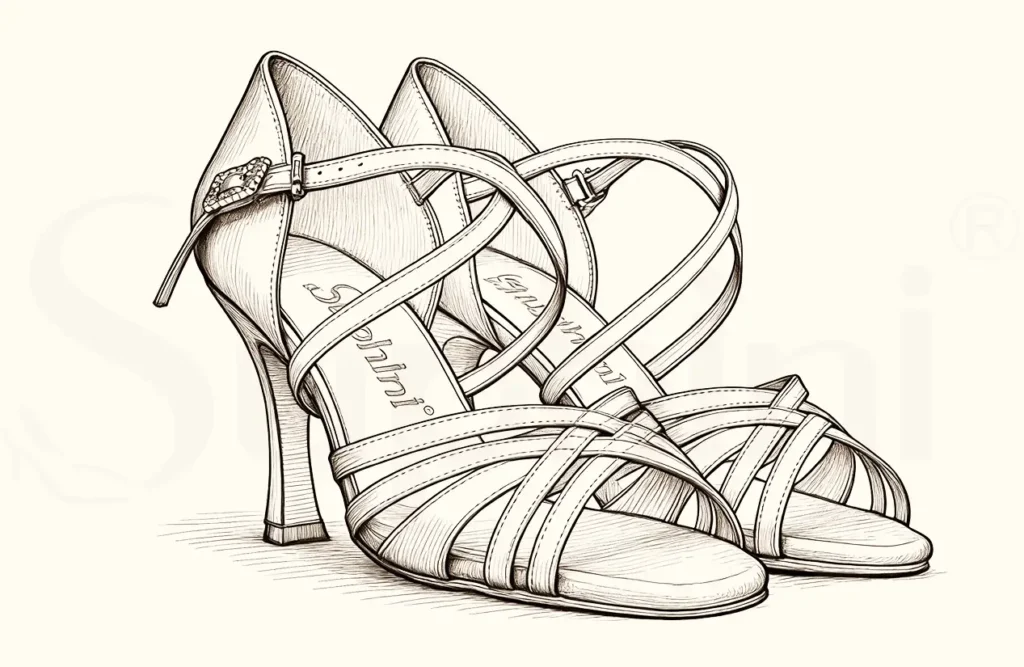
Creating high-quality dance footwear requires a combination of skilled craftsmanship, premium materials, and strict quality control. Unlike mass-produced shoes, Custom Dance Shoes are carefully designed to meet the unique needs of dancers while delivering exceptional comfort, durability, and performance. Every stage of the manufacturing process, from design to final inspection, plays an essential role in producing shoes that help dancers perform with confidence on stage and in the studio.
Understanding Customer Requirements
The manufacturing process begins with understanding the customer’s specific needs. Whether the order comes from an individual dancer, a dance studio, or a private-label brand, manufacturers gather detailed information before production starts.
Common requirements include:
- Dance style.
- Shoe size and fit.
- Heel height.
- Preferred materials.
- Color selection.
- Branding requirements.
- Decorative features.
This planning stage ensures the finished shoes meet both functional and aesthetic expectations.
Design and Pattern Development
After collecting customer specifications, designers create detailed patterns that serve as the blueprint for production.
The design process focuses on:
- Foot anatomy.
- Comfort.
- Balance.
- Flexibility.
- Structural support.
- Visual appearance.
For OEM projects, manufacturers produce shoes based on the client’s original designs. For ODM projects, existing designs are customized to match the customer’s branding and preferences.
Material Selection
Choosing premium materials is one of the most important steps in manufacturing custom dance shoes.
Manufacturers commonly select:
- Genuine leather.
- Satin uppers.
- Microfiber materials.
- Breathable linings.
- Suede soles.
- Cushioned insoles.
- Durable heel components.
Each material is carefully chosen to provide the ideal balance of comfort, flexibility, durability, and style.
Precision Cutting
Once materials are approved, they are cut into individual components using precise templates and specialized equipment.
Accurate cutting ensures:
- Consistent sizing.
- Material efficiency.
- Smooth assembly.
- High production quality.
- Reduced manufacturing waste.
Precision at this stage contributes directly to the overall fit and appearance of the finished shoe.
Skilled Upper Assembly
Experienced craftsmen carefully stitch together the upper sections of each shoe.
This stage includes:
- Joining upper panels.
- Attaching decorative elements.
- Reinforcing stress points.
- Installing linings.
- Inspecting stitching quality.
Careful assembly improves both durability and the overall appearance of the footwear.
Lasting and Shoe Shaping
The upper is then stretched over a shoe last, which determines the final shape and fit.
This process helps achieve:
- Proper foot contour.
- Balanced structure.
- Comfortable fit.
- Smooth surface.
- Consistent sizing.
The lasting process is essential for producing shoes that provide excellent support and natural movement.
Sole and Heel Attachment
After shaping, the outsole and heel are securely attached.
Depending on the intended dance style, manufacturers may install:
- Suede soles.
- Leather soles.
- Rubber practice soles.
- Split soles.
- Various heel heights and styles.
Strong bonding techniques and reinforced construction ensure the shoes remain stable during demanding performances.
Comfort Enhancement
Premium dance shoes are designed to maximize comfort without sacrificing performance.
Manufacturers often include:
- Soft cushioning.
- Shock-absorbing insoles.
- Arch support.
- Breathable interior lining.
- Flexible construction.
These features reduce fatigue and help dancers maintain consistent performance throughout long rehearsals and competitions.
Quality Control Inspection
Before packaging, every pair undergoes comprehensive quality inspections.
Inspectors examine:
- Stitching accuracy.
- Material quality.
- Heel stability.
- Sole attachment.
- Comfort.
- Overall appearance.
- Branding details.
- Packaging accuracy.
Strict quality control helps ensure every pair meets professional manufacturing standards.
Branding and Packaging
For businesses and private-label customers, branding is completed before shipment.
Customization options often include:
- Company logos.
- Custom insoles.
- Branded shoe boxes.
- Dust bags.
- Product labels.
- Hang tags.
- Instruction cards.
Professional packaging enhances the customer experience while strengthening brand recognition.
Final Packaging and Global Shipping
After passing inspection, the shoes are carefully packaged to protect them during transportation.
Manufacturers prepare orders for:
- Individual customers.
- Dance studios.
- Retail brands.
- Wholesalers.
- International distributors.
Reliable logistics and secure packaging help ensure products arrive in excellent condition.
Why Quality Manufacturing Matters
The manufacturing process directly affects the performance and lifespan of dance shoes.
Well-manufactured custom dance shoes provide:
- Superior comfort.
- Enhanced flexibility.
- Better balance.
- Longer durability.
- Consistent quality.
- Professional appearance.
These qualities make them a preferred choice for dancers and businesses seeking premium footwear.
Conclusion
The manufacturing process behind premium custom dance shoes combines expert craftsmanship, advanced production techniques, and rigorous quality control to create footwear that meets the highest standards of comfort and performance. From design and material selection to precise assembly and final inspection, every step contributes to producing shoes that support dancers through every rehearsal and performance.
By partnering with an experienced manufacturer, dancers, studios, and footwear brands can enjoy custom dance shoes that deliver exceptional quality, reliable durability, and a personalized fit designed for lasting success.