
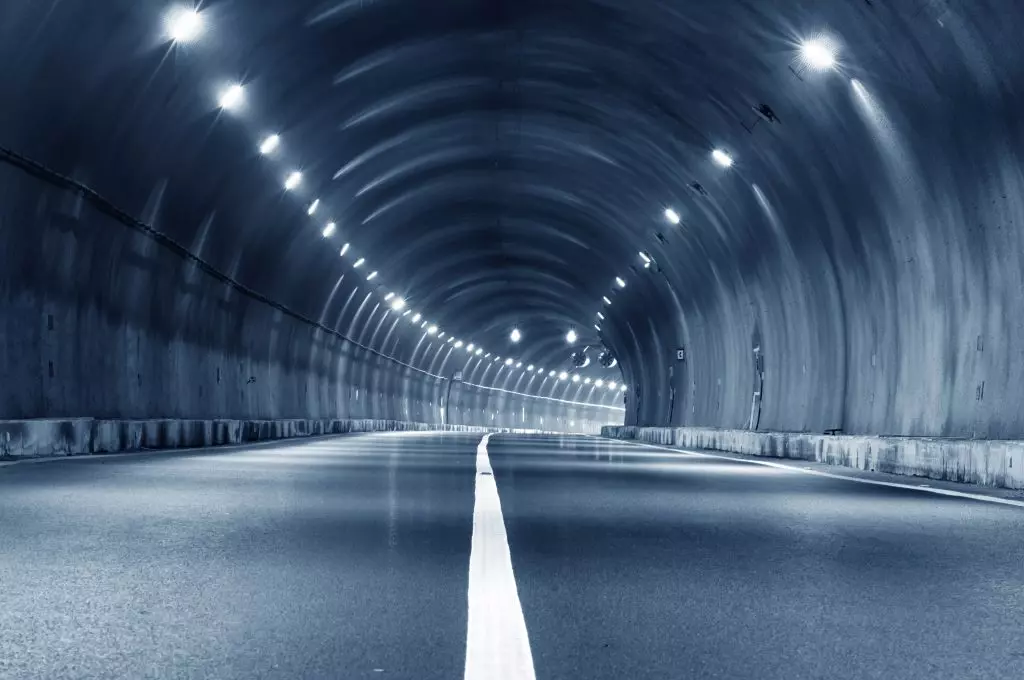
Tunnel lighting systems are expected to operate for long periods while being exposed to dust, moisture, vibration, exhaust particles, and continuous operating hours. Because lighting equipment is installed in an enclosed infrastructure environment, maintenance requirements need to be considered from the beginning of the design process.
An LED Tunnel Lighting Manufacturer can account for maintenance requirements when selecting components, designing fixture housings, planning mounting arrangements, and developing access methods. A maintenance-conscious design can make inspections and servicing more manageable throughout the lighting system’s operating life.
Why Maintenance Should Be Considered During Design
Maintenance is often easier when it has been incorporated into the original lighting design rather than addressed after installation.
Tunnel operators may need to inspect fixtures, clean optical surfaces, replace components, check electrical connections, or investigate faults. The physical arrangement of the lighting system can have a direct effect on how these activities are performed.
Accessibility of Lighting Fixtures
The location of tunnel lights can make maintenance more or less difficult. Fixtures mounted in areas that are difficult to reach may require specialized access equipment or temporary traffic restrictions.
Designers can therefore consider mounting height, fixture positioning, access routes, and available maintenance equipment when developing the lighting layout.
Choosing Practical Mounting Systems
Mounting brackets should provide secure support while allowing technicians to perform necessary adjustments or removal.
A practical mounting arrangement can make it easier to replace a fixture or reposition it without requiring extensive disassembly of surrounding equipment.
Cleaning the Optical Surface
Dust and tunnel contaminants can accumulate on the front surface of a lighting fixture. Over time, this buildup may affect the amount and distribution of light reaching the roadway.
The fixture design should therefore allow the optical surface to be inspected and cleaned according to the maintenance schedule established for the tunnel.
Considering Environmental Contamination
Tunnel lighting can be exposed to vehicle exhaust, dust, moisture, and other airborne particles. The rate of contamination may differ between tunnels and even between different areas of the same tunnel.
Understanding the local environment helps maintenance teams establish appropriate inspection and cleaning intervals.
Enclosure Design and Servicing
A well-sealed enclosure can help protect internal components from environmental exposure. However, the fixture may still require access for servicing during its operating life.
Manufacturers can balance enclosure protection with practical serviceability by considering access covers, sealing arrangements, fasteners, and component placement.
Driver Maintenance
LED drivers are important electrical components and may require inspection or replacement during the service life of a lighting system.
The driver arrangement should be considered in relation to accessibility, thermal conditions, electrical connections, and the overall fixture construction.
Modular Component Design
Some tunnel lighting products may use modular components that allow specific parts to be replaced without replacing the entire fixture.
Depending on the product design, modularity can simplify maintenance and reduce the amount of equipment that needs to be removed when a particular component requires attention.
Monitoring Fixture Performance
Modern tunnel lighting systems can incorporate monitoring capabilities that provide information about fixture operation.
Depending on the control architecture, operators may be able to identify failed fixtures, abnormal operating conditions, communication problems, or other events that require investigation.
Preventive Maintenance
Preventive maintenance involves inspecting and servicing equipment before a failure occurs.
For tunnel lighting, preventive activities may include:
- Cleaning fixture surfaces
- Checking mounting hardware
- Inspecting electrical connections
- Reviewing fixture operating status
- Checking seals and enclosure condition
- Replacing damaged components
- Verifying lighting performance
The exact maintenance program depends on the equipment and operating environment.
Dealing With Fixture Failures
A lighting failure inside a tunnel can affect the overall distribution of illumination, particularly when multiple fixtures are affected.
Maintenance procedures should identify how failed fixtures will be detected, isolated, removed, repaired, or replaced while minimizing disruption to tunnel operations.
Spare Parts Planning
Keeping suitable spare parts available can reduce delays when repairs are required. The most appropriate spare inventory depends on the size of the installation, component availability, expected service conditions, and maintenance strategy.
Critical components may need to be identified during the planning stage rather than after a failure occurs.
Considering Replacement Procedures
The replacement process should be considered when selecting the fixture and mounting system.
Technicians may need to disconnect power, access the fixture safely, remove mounting hardware, replace the unit, reconnect wiring, and verify operation. A design that simplifies these steps can support more efficient maintenance activities.
Electrical Safety During Maintenance
Maintenance work requires appropriate electrical safety procedures. Fixtures should be installed and serviced according to applicable electrical requirements and the tunnel operator’s established safety practices.
Isolation procedures, access controls, and inspection requirements should be incorporated into the maintenance plan.
Maintenance and Emergency Lighting
Normal tunnel lighting and emergency lighting may have different maintenance requirements. Backup power systems, batteries, emergency circuits, and control equipment may require additional inspection.
Testing should verify that emergency lighting remains capable of performing its intended function when required.
Maintaining Lighting Uniformity
Maintenance is also connected with lighting uniformity. A failed or significantly degraded fixture can create a darker area within the lighting layout.
Regular inspections can help identify problems that may affect the intended distribution of illumination and allow corrective action to be taken.
Thermal Management and Cleaning
Heat dissipation can be influenced by contamination. Dirt or deposits on external surfaces may affect how effectively a fixture releases heat into its surroundings.
Maintenance programs can therefore support both optical performance and thermal behavior by keeping fixtures in appropriate operating condition.
Corrosion and Mechanical Inspection
Metal components, fasteners, brackets, and housings can be exposed to moisture and contaminants over time.
Regular inspection can help identify corrosion, loosened hardware, damaged coatings, or other mechanical conditions that could affect fixture security and long-term performance.
Documentation for Maintenance Teams
Clear technical documentation can make maintenance activities easier to organize. Useful information may include installation instructions, wiring details, replacement procedures, component specifications, cleaning recommendations, and inspection intervals.
Documentation can also help ensure that maintenance work is performed consistently across a large tunnel installation.
Planning Maintenance Around Tunnel Operations
Maintenance often needs to be coordinated with traffic management and tunnel operating schedules. Work may require lane closures, temporary lighting arrangements, or restricted access.
Considering these operational constraints during the design stage can help maintenance teams develop realistic procedures for future servicing.
Long-Term Maintenance Strategy
A tunnel lighting system should be evaluated not only according to its initial installation requirements but also according to how it will be operated and maintained over time.
Factors such as component availability, accessibility, monitoring capabilities, cleaning requirements, spare parts, and expected operating hours can all influence the practical maintenance strategy.
Conclusion
Maintenance considerations are an important part of LED tunnel lighting design. Fixture accessibility, cleaning, component replacement, monitoring, electrical safety, spare parts, thermal performance, and mechanical inspection can all influence the long-term operation of a tunnel lighting system.
By considering these factors before installation, LED tunnel lighting manufacturers and project designers can develop systems that are easier to inspect, service, and maintain. A maintenance-focused approach can help preserve lighting performance while reducing unnecessary disruption to tunnel operations throughout the equipment’s service life.