
Reliable signal transmission is essential for modern electrical, industrial, and communication systems. Whether used in manufacturing facilities, automation systems, telecommunications, or data networks, maintaining signal quality is critical for ensuring equipment performs accurately and efficiently. A Shielded Cable is specifically designed to protect electrical signals from external interference, making it an important component in environments where electromagnetic noise is present. By reducing signal distortion and improving communication reliability, shielded cables help maintain stable system performance across a wide range of applications.
What Is a Shielded Cable?
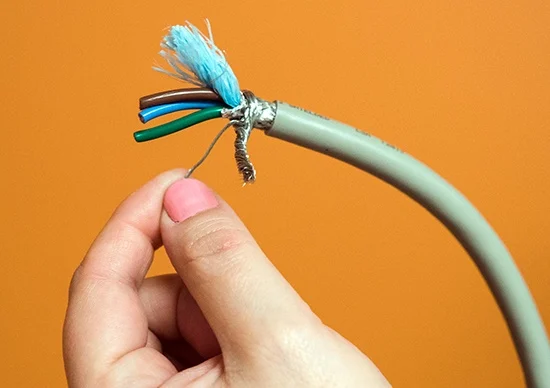
A shielded cable is an electrical cable that includes an additional protective layer surrounding the insulated conductors. This shield is typically made of braided copper, aluminum foil, or a combination of both. Its primary purpose is to block electromagnetic interference (EMI) and radio frequency interference (RFI) that could disrupt signal transmission.
The shielding acts as a barrier, preventing unwanted electrical noise from affecting the signals traveling through the cable.
Protects Against Electromagnetic Interference
One of the main reasons shielded cables are used is their ability to reduce electromagnetic interference. Industrial facilities often contain equipment that generates significant electrical noise, including:
- Electric motors
- Variable frequency drives
- Transformers
- Power distribution systems
- Welding equipment
- High-voltage cables
Without proper shielding, this interference can affect signal quality and lead to communication errors. Shielded cables help isolate sensitive signals from these external disturbances.
Improves Signal Quality
Accurate signal transmission is essential for automation systems, instrumentation, and communication networks. A shielded cable helps maintain signal integrity by minimizing the effects of external electrical noise.
Improved signal quality offers several advantages:
- More accurate data transmission
- Stable communication
- Reduced signal distortion
- Better equipment performance
- Increased system reliability
These benefits are especially important in applications that require precise control and monitoring.
Reduces Signal Loss
As signals travel through cables, they can weaken or become distorted due to interference. Shielding helps reduce this degradation, allowing signals to maintain their strength over longer distances.
This is particularly beneficial in installations where cables must run through electrically noisy environments or over extended cable routes.
Reduced signal loss supports:
- Reliable communication
- Consistent system operation
- Higher transmission accuracy
- Improved network performance
Supports Industrial Automation
Industrial automation systems rely on continuous communication between sensors, controllers, actuators, and machinery. Even minor signal disruptions can affect production efficiency and equipment operation.
Shielded cables are commonly used in:
- Programmable logic controllers (PLCs)
- Industrial robots
- Control panels
- Conveyor systems
- Process automation
- Machine control systems
Their ability to minimize interference helps ensure smooth and dependable automation performance.
Enhances Data Transmission
Modern communication systems depend on accurate data transfer between devices. Shielded cables provide additional protection that helps preserve data integrity during transmission.
Applications benefiting from shielded cables include:
- Data communication networks
- Building management systems
- Security systems
- Industrial Ethernet
- Audio and video transmission
- Instrumentation systems
Stable data transmission contributes to better overall system efficiency.
Improves Safety
Electrical interference can sometimes cause equipment to behave unpredictably, potentially creating safety risks in industrial environments. Shielded cables reduce the possibility of signal-related malfunctions by maintaining accurate communication between devices.
Reliable signal protection helps:
- Prevent unexpected equipment operation
- Reduce control errors
- Improve system stability
- Support safe industrial processes
Proper cable selection contributes to a safer working environment for both equipment and personnel.
Performs Well in Harsh Environments
Many industrial facilities expose cables to challenging operating conditions, including vibration, moisture, chemicals, and temperature fluctuations. High-quality shielded cables are designed to provide both electrical protection and mechanical durability.
Their construction helps resist:
- Mechanical wear
- Moisture
- Oil
- Chemicals
- Abrasion
- Environmental stress
This durability extends the cable’s service life while maintaining consistent performance.
Ideal for Sensitive Electronic Equipment
Sensitive electronic devices require clean electrical signals to operate correctly. Shielded cables help protect these devices from external electrical noise that could interfere with their operation.
They are widely used with:
- Medical equipment
- Laboratory instruments
- Measuring devices
- Precision manufacturing systems
- Audio equipment
- Broadcast systems
Accurate signal transmission supports reliable equipment performance and measurement accuracy.
Reduces Maintenance and Downtime
Signal problems caused by electrical interference can lead to equipment faults, troubleshooting efforts, and costly production interruptions. Shielded cables reduce the likelihood of these issues by providing dependable signal protection.
Long-term benefits include:
- Lower maintenance costs
- Fewer communication errors
- Reduced equipment downtime
- Longer cable lifespan
- Improved operational efficiency
Investing in quality shielded cables can significantly reduce maintenance requirements over time.
Suitable for a Wide Range of Industries
The versatility of shielded cables makes them valuable across many industries. Common sectors that rely on shielded cables include:
- Manufacturing
- Telecommunications
- Energy and utilities
- Oil and gas
- Transportation
- Healthcare
- Commercial buildings
- Data centers
Their ability to provide reliable signal protection makes them an essential part of modern electrical infrastructure.
Conclusion
A Shielded Cable is a critical solution for protecting electrical and communication signals from electromagnetic interference and other sources of electrical noise. By improving signal quality, reducing data loss, enhancing system reliability, and supporting safe operation, shielded cables play an important role in industrial automation, telecommunications, instrumentation, healthcare, and many other applications. Their durable construction and dependable performance make them an excellent choice for environments where signal integrity is essential. Choosing the right shielded cable helps ensure long-term reliability, efficient operation, and consistent communication across a wide range of electrical systems.