
Modern construction increasingly relies on materials that combine practical performance, attractive appearance, and design flexibility. Solid surface materials have become a popular option for residential, commercial, healthcare, and hospitality projects because they can be fabricated into different shapes and integrated into a wide range of interior designs. Their smooth finish, repairability, and availability in various colors and patterns make them suitable for both decorative and functional applications.
China has developed a substantial manufacturing industry for solid surface products, supplying materials to international construction projects and interior design businesses. The growing availability of Solid Surfaces China gives architects, contractors, furniture manufacturers, and distributors access to different product styles and specifications. Understanding where these materials are commonly used can help project planners select appropriate surfaces for their design requirements and operating environments.
1. Kitchen Countertops and Work Surfaces
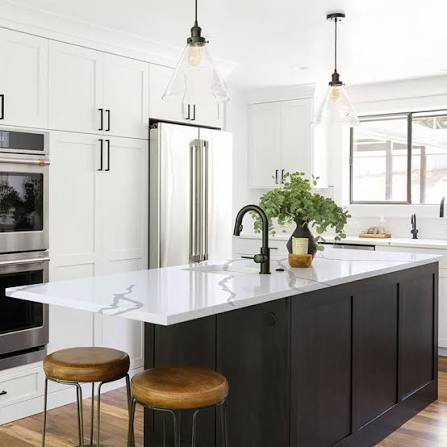
Kitchen countertops are among the most recognized applications of solid surface materials. These surfaces provide a continuous working area for food preparation, cooking-related activities, and everyday household tasks.
Solid surface sheets can be cut and fabricated to accommodate different kitchen layouts, including straight counters, islands, breakfast bars, and integrated backsplashes.
Their nonporous characteristics, depending on the product formulation and fabrication quality, can make routine cleaning easier. Minor surface scratches may also be repairable through appropriate sanding and refinishing procedures.
Common kitchen applications include:
- Main countertop surfaces
- Kitchen islands
- Breakfast bars
- Backsplash panels
- Integrated sink surrounds
- Decorative cabinet features
When selecting a material for a kitchen, buyers should review stain resistance, heat-related performance, maintenance instructions, and installation recommendations.
2. Bathroom Vanities and Washbasins
Bathrooms require materials that can handle regular moisture exposure while maintaining a clean and attractive appearance.
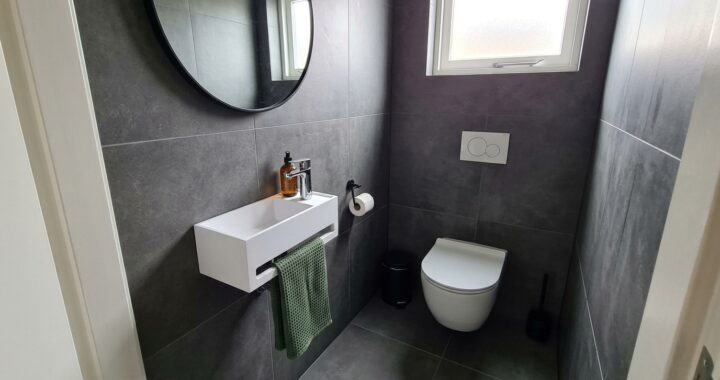
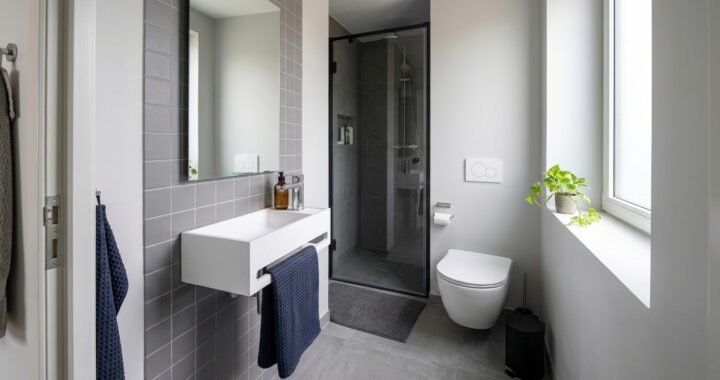
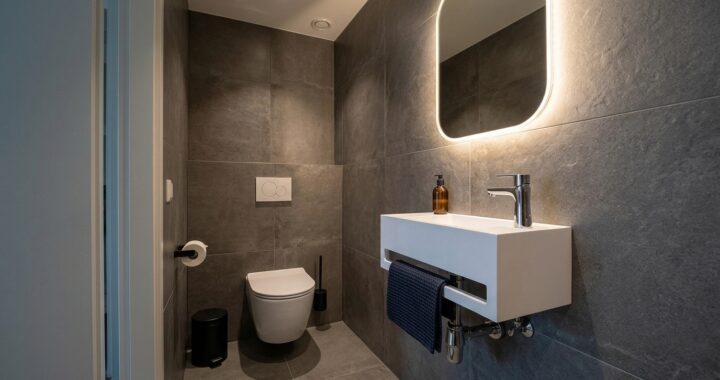
Solid surface materials are frequently used for vanity countertops, washbasins, integrated sinks, and decorative bathroom panels. Their ability to be shaped into different forms allows designers to create coordinated surfaces with fewer visible joints.
Common applications include floating vanity tops, double-basin countertops, integrated washbasins, and customized bathroom furniture.
Their smooth finish can also simplify everyday cleaning. However, proper installation remains essential, particularly around joints, plumbing connections, and areas exposed to standing water.
For bathroom projects, buyers should consider water absorption data, surface durability, cleaning compatibility, and the manufacturer’s fabrication guidelines.
3. Reception Desks in Commercial Buildings
Reception areas are often the first spaces visitors encounter when entering offices, hotels, healthcare facilities, and corporate buildings. Their design can influence the overall impression of a business environment.
Solid surface materials are commonly used to create reception counters with smooth finishes, curved fronts, integrated lighting features, and decorative details.
Their fabrication flexibility allows designers to develop distinctive reception desks that complement the architectural style of a building.
Typical applications include:
- Corporate reception counters
- Hotel front desks
- Office service counters
- Visitor information desks
- Decorative feature panels
Because reception desks experience regular contact and use, material selection should account for scratch resistance, cleaning requirements, and the possibility of future surface repairs.
4. Healthcare Facilities and Medical Environments
Healthcare environments require surfaces that support effective cleaning and routine maintenance. Solid surface materials may be used in selected areas of hospitals, clinics, dental practices, and medical laboratories.
Their smooth, nonporous surface characteristics can be useful in spaces where regular cleaning is necessary. Integrated sinks and carefully fabricated joints can also reduce areas where dirt may accumulate.
Potential applications include:
- Nurse station countertops
- Reception and registration desks
- Laboratory work surfaces
- Treatment room counters
- Medical storage furniture
- Washbasin surrounds
However, not every solid surface product is automatically suitable for every healthcare application. Buyers should verify chemical resistance, cleaning compatibility, relevant hygiene requirements, and any project-specific regulatory standards before selecting a product.
5. Hotel and Hospitality Interiors
Hotels and hospitality businesses use materials that balance visual appeal with practical maintenance requirements.
Solid surfaces can be incorporated into guest rooms, bathrooms, restaurants, lounges, and public areas. Their availability in different finishes and patterns provides flexibility when creating coordinated interior themes.
Common hospitality applications include bathroom vanity tops, reception counters, restaurant service areas, bar fronts, and decorative wall features.
In hotels with high visitor traffic, the ability to maintain and refinish certain surface imperfections can be useful for long-term property management.
Material selection should take into account the intensity of use, cleaning frequency, appearance requirements, and expected maintenance costs.
6. Retail Stores and Shopping Centers
Retail environments often use customized counters and display features to present products and support customer interactions.
Solid surface materials can be fabricated into different shapes, making them suitable for modern retail interiors.
Common applications include:
- Checkout counters
- Product display units
- Customer service desks
- Decorative wall panels
- Cosmetic display surfaces
- Promotional furniture
Retail designers may choose specific colors and finishes to match brand identities and store layouts.
For busy commercial spaces, surface durability, ease of cleaning, and resistance to everyday wear should be considered during material selection.
7. Restaurant and Food Service Interiors
Restaurants, cafés, and other food service businesses require surfaces that can support regular cleaning and frequent use.
Solid surface materials may be used for selected countertops, service counters, decorative bar fronts, and customer-facing furniture.
Their seamless fabrication possibilities can help create visually continuous designs, while certain formulations offer practical cleaning characteristics.
Typical applications include:
- Café counters
- Restaurant reception desks
- Beverage service stations
- Bar surfaces
- Decorative food service furniture
- Customer seating features
It is important to distinguish decorative and customer-facing surfaces from food preparation areas that may be subject to specific food safety regulations. Buyers should verify that the selected product and installation method meet all applicable requirements.
8. Educational Institutions and Public Buildings
Schools, universities, libraries, and public buildings need interior materials that can withstand regular use and be maintained efficiently.
Solid surface materials can be used in selected areas where appearance, fabrication flexibility, and routine cleaning are important.
Examples include classroom worktops, library service counters, reception desks, washbasin surfaces, and administrative furniture.
Their availability in different colors also allows designers to coordinate materials with institutional branding or interior design schemes.
For public buildings, buyers should consider expected usage levels, impact exposure, cleaning procedures, fire performance requirements, and long-term maintenance needs.
9. Laboratory Countertops and Technical Workspaces
Laboratories and technical workspaces may require specialized work surfaces that can withstand exposure to particular chemicals and cleaning agents.
Solid surface products can be considered for certain laboratory furniture applications, depending on their tested chemical resistance and the specific operating environment.
Possible uses include laboratory counters, equipment surrounds, storage furniture, and selected wash areas.
Before installation, buyers should identify the substances likely to contact the surface and compare them with the manufacturer’s chemical resistance data.
Highly demanding environments may require specialized materials designed for stronger chemical, thermal, or mechanical performance. Solid surface products should only be selected when their documented properties match the intended use.
10. Interior Wall Cladding and Decorative Panels
Solid surface materials are not limited to horizontal work surfaces. They can also be used for vertical interior applications.
Decorative wall panels provide a way to introduce consistent colors, patterns, and smooth finishes into residential and commercial spaces.
Common applications include:
- Feature walls
- Hotel lobby panels
- Bathroom wall coverings
- Reception area cladding
- Decorative columns
- Interior partitions
Large-format panels can help create a visually continuous design, although installation planning is important. Contractors should consider panel dimensions, support systems, expansion requirements, joint treatments, and fixing methods.
11. Customized Furniture and Cabinet Components
The flexibility of solid surface materials makes them suitable for selected furniture and cabinetry applications.
Designers can use these materials to create distinctive furniture pieces with smooth edges, curved profiles, and integrated components.
Examples include:
- Side tables
- Coffee tables
- Decorative shelving
- Cabinet tops
- Dressing tables
- Storage furniture surfaces
- Customized seating features
Solid surface components can be combined with wood, metal, glass, and other materials to achieve different visual effects.
The design should account for the material’s weight, support requirements, fabrication characteristics, and expected mechanical loads.
12. Airports, Transportation Hubs, and Public Spaces
Large transportation facilities require interior materials that can support frequent public use and ongoing maintenance.
Solid surface materials may be used in selected architectural and furniture applications, particularly where designers want a consistent appearance across large areas.
Potential uses include ticket counters, information desks, waiting-area furniture, washroom vanity tops, and decorative wall features.
These environments can experience heavy traffic, accidental impacts, and frequent cleaning. Therefore, material selection should be based on verified performance data and maintenance requirements.
Project planners should also consider fire safety regulations, installation standards, and the availability of replacement or repair materials.
13. Residential Interior Design Beyond Kitchens and Bathrooms
Solid surface materials can also contribute to different areas of residential interiors.
Their range of colors and finishes allows homeowners and designers to coordinate surfaces with flooring, wall finishes, lighting, and furniture.
Popular residential applications include:
- Dressing room countertops
- Laundry room work surfaces
- Window sills
- Decorative shelving
- Study desks
- Fireplace surrounds, where suitable
- Customized storage units
For residential projects, buyers often prioritize appearance, ease of maintenance, design flexibility, and overall cost.
The suitability of each application depends on the material’s technical specifications and the installation conditions.
14. Outdoor and Semi-Outdoor Applications
Some solid surface products may be considered for sheltered outdoor or semi-outdoor environments, but suitability depends on the formulation and manufacturer’s recommendations.
Outdoor conditions can involve ultraviolet exposure, temperature changes, moisture, and environmental contaminants. These factors may influence color stability and material performance.
Before specifying solid surface materials for an exterior project, designers should confirm:
- UV resistance
- Weathering performance
- Temperature limitations
- Moisture-related characteristics
- Suitable fixing methods
- Recommended maintenance procedures
Products designed primarily for interior applications should not automatically be assumed suitable for permanent outdoor exposure.
15. Advantages of Sourcing Solid Surface Materials from Chinese Manufacturers
China’s solid surface manufacturing sector provides international buyers with access to different product categories and production capabilities.
Depending on the manufacturer, sourcing advantages may include a broad range of colors, customized dimensions, OEM services, and options for bulk procurement.
For construction and interior design businesses, these capabilities can support projects with different design and commercial requirements.
However, buyers should evaluate individual suppliers rather than assume that every manufacturer offers the same quality or services.
Important considerations include:
- Product specifications
- Manufacturing experience
- Quality control procedures
- Customization capabilities
- Relevant certifications and test reports
- Production capacity
- Export experience
- Packaging and delivery arrangements
Requesting samples and reviewing technical documentation can help buyers determine whether a product is suitable for a specific construction application.
16. How to Select the Right Solid Surface for a Construction Project
Choosing a suitable material requires an understanding of both design objectives and practical operating conditions.
A product intended for a decorative reception counter may have different requirements from one used in a laboratory or heavily used kitchen.
A structured selection process should include the following steps:
- Identify the application: Determine whether the material will be used for a countertop, wall panel, washbasin, furniture component, or another purpose.
- Review technical performance: Examine relevant strength, moisture, stain, heat, and chemical resistance data.
- Compare design options: Evaluate available colors, patterns, textures, and finishes.
- Check fabrication requirements: Confirm that the material can be processed using the intended methods.
- Verify documentation: Request technical data sheets and relevant test reports.
- Assess supplier reliability: Review production capabilities, inspection procedures, and delivery arrangements.
- Plan maintenance: Understand recommended cleaning methods and possible repair procedures.
This process helps ensure that the selected material meets both the visual and functional expectations of the project.
Conclusion
Chinese solid surface materials have a wide range of applications in modern construction, including kitchen countertops, bathroom vanities, healthcare interiors, hospitality spaces, retail environments, laboratory furniture, decorative wall panels, and customized residential components.
Their design flexibility and availability in different specifications make them useful for projects with varied architectural requirements. However, successful application depends on selecting the correct formulation, understanding its technical limitations, and following appropriate fabrication and installation procedures.
For architects, contractors, interior designers, and procurement professionals, the most effective approach is to evaluate products according to their intended use rather than relying on appearance alone. By reviewing technical specifications, requesting samples, and working with capable manufacturers, project teams can make informed material choices that support functional performance and attractive interior designs.