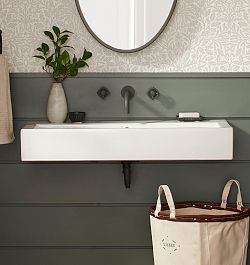


Wash basins are an essential part of residential, commercial, hospitality, and public bathroom projects. For international buyers, sourcing from China can provide access to a wide selection of designs, materials, production capabilities, and customization options.
When comparing China Wash Basin Manufacturers, buyers should evaluate more than product prices. Material quality, manufacturing processes, dimensions, certifications, production capacity, packaging, and export experience can all affect the success of an international order.
Why Source Wash Basins From China?
China has an established bathroom manufacturing industry supported by extensive material and component supply chains. This allows manufacturers to produce wash basins in different styles and materials for a range of market requirements.
International buyers can often choose between standard catalog products and customized solutions for hotels, residential developments, commercial buildings, and other projects.
Types of Wash Basins Available
Chinese manufacturers offer many wash basin configurations. The right option depends on installation requirements, bathroom layout, design preferences, and intended use.
Common types include:
- Countertop wash basins
- Undermount basins
- Wall-mounted basins
- Vessel basins
- Integrated basin and countertop units
- Freestanding wash basins
- Customized commercial basins
Each design has different installation and maintenance considerations, so buyers should confirm technical specifications before ordering.
Materials Used for Wash Basins
Material selection affects durability, appearance, maintenance, and overall cost. Common materials include ceramic, acrylic, glass, stainless steel, and solid surface materials.
Ceramic
Ceramic wash basins are widely used because they offer a familiar appearance and are generally easy to clean. Buyers should examine glaze quality, dimensional consistency, surface smoothness, and resistance to common bathroom chemicals.
Solid Surface
Solid-surface materials can provide greater flexibility for customized shapes, integrated countertops, and seamless designs. They are often considered for hospitality and commercial projects where appearance and design consistency are important.
Other Materials
Acrylic, stainless steel, glass, and other materials can be suitable for particular applications. Buyers should compare material properties against the expected environment and maintenance requirements rather than choosing solely according to appearance.
What to Check When Evaluating Manufacturers
Choosing a suitable supplier requires a structured assessment. Start by reviewing the manufacturer’s product range and determine whether its capabilities match your requirements.
Important factors include:
- Product materials and specifications
- Manufacturing experience
- Quality-control procedures
- Production capacity
- Customization capabilities
- Relevant certifications and test reports
- Minimum order quantities
- Production lead times
- Packaging standards
- Export experience and after-sales support
Comparing suppliers using consistent criteria makes it easier to identify the best fit for a particular project.
Request Samples Before Ordering
A product catalog cannot fully demonstrate manufacturing quality. Requesting samples allows buyers to examine the basin’s surface, dimensions, finish, weight, construction, and overall workmanship.
If the order involves customized products, approve a final sample before mass production. Keep the approved sample and technical specifications as references for subsequent quality inspections.
Check Dimensions and Installation Requirements
Wash basins need to work with countertops, cabinets, plumbing connections, faucets, and other bathroom components. Dimensional accuracy is therefore especially important.
Ask suppliers to provide detailed technical drawings showing basin dimensions, mounting requirements, drain positions, overflow specifications, and other relevant measurements.
Quality Control and Inspection
Quality-control procedures can vary significantly between manufacturers. Ask how incoming materials, work-in-progress products, and finished basins are inspected.
For larger orders, buyers may establish acceptance criteria covering dimensions, surface quality, color, functionality, packaging, and acceptable defect levels. Independent inspections can provide additional assurance before shipment.
Customization Options
Customization can be useful when standard products do not meet the requirements of a particular project. Manufacturers may be able to modify dimensions, shapes, colors, finishes, configurations, and packaging.
Before proceeding, clarify mold requirements, tooling costs, minimum order quantities, sample approval procedures, and expected development timelines.
Export and Packaging Considerations
Wash basins can be vulnerable to scratches, cracks, chips, and other damage during international transportation. Proper packaging is therefore an important part of the purchasing decision.
Ask manufacturers how products are protected inside cartons or crates and whether packaging has been tested or adapted for long-distance transportation.
Buyers should also confirm shipping terms, production schedules, export documentation, and responsibilities for freight and insurance before finalizing an order.
Certifications and Compliance
Requirements for wash basins can differ between countries and markets. Depending on the application, buyers may need documentation relating to materials, product safety, water efficiency, environmental requirements, or other applicable standards.
Identify the regulations in your destination market before placing an order. Request current documentation for the exact product models being purchased rather than relying on general supplier claims.
Common Sourcing Mistakes
International buyers can encounter avoidable problems when purchasing wash basins from overseas suppliers. Common mistakes include:
- Selecting a manufacturer solely because of a low price
- Ordering without reviewing physical samples
- Failing to confirm technical specifications in writing
- Overlooking packaging requirements
- Assuming one certification covers every product
- Not checking production capacity
- Leaving warranty responsibilities unclear
Careful preparation can significantly reduce these risks.
How to Build a Long-Term Supplier Relationship
Once a reliable manufacturer has been identified, consistent communication can support long-term cooperation. Buyers should maintain clear product specifications, approve samples formally, and document any changes to designs or production requirements.
For recurring orders, sharing purchasing forecasts can also help manufacturers plan materials and production schedules. Regular quality reviews can identify issues before they become recurring problems.
Final Thoughts
Sourcing wash basins from China can give international buyers access to diverse product designs, materials, customization options, and manufacturing capabilities. However, supplier selection should be based on overall suitability rather than price alone.
By evaluating product quality, materials, dimensions, production standards, certifications, customization capabilities, packaging, and export experience, buyers can make more informed purchasing decisions and develop dependable international supply relationships.