
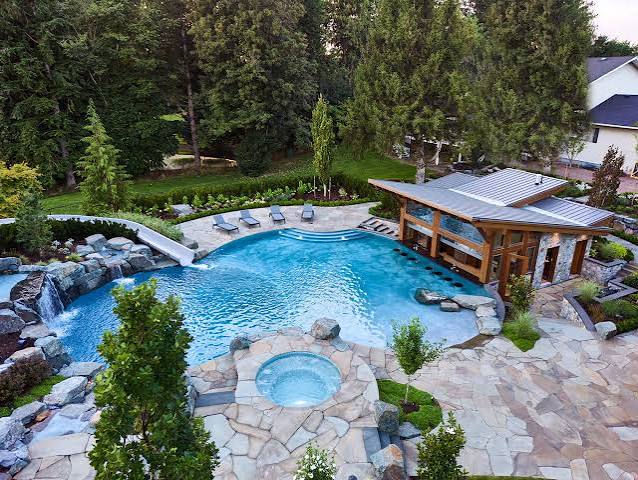
Designing a swimming pool for a small backyard requires careful planning, creative space management, and a clear understanding of how the outdoor area will be used. Limited space does not mean homeowners must sacrifice comfort or functionality. With the right layout, even a compact yard can accommodate a pool that supports relaxation, exercise, and everyday recreation.
A thoughtfully designed Custom Swimming Pool can fit the dimensions of a smaller property while complementing its architecture and landscaping. By selecting appropriate pool dimensions, efficient equipment, and practical surrounding features, homeowners can create an inviting outdoor environment without overcrowding their yard.
1. Measure the Available Space Carefully
The first step is to determine how much room is available for the pool and its surrounding features. Measure the backyard’s length and width, and identify existing structures, fences, trees, utility lines, and drainage areas.
Remember that the pool itself cannot occupy every available square foot. You may also need space for safe walking paths, fencing, equipment access, and seating.
Check local setback requirements and building regulations before finalizing the layout. A professional site assessment can help identify potential restrictions and determine the most practical location for installation.
2. Choose a Compact Pool Shape
The shape of a pool can significantly influence how efficiently it fits into a small backyard. Simple designs often make better use of limited space and leave more room for other outdoor activities.
Rectangular Pools
Rectangular pools are a practical option for narrow or compact yards. Their straight edges align easily with fences, patios, and the exterior walls of modern homes.
They are particularly useful when homeowners want a defined swimming area without complicated landscaping. A narrow rectangular design may also accommodate light exercise or lap swimming, depending on its length.
Square Pools
Square pools can work well in enclosed courtyards and smaller gardens where a balanced layout is preferred. They provide a compact area for cooling off and relaxation without requiring a long stretch of open space.
However, their dimensions may limit continuous lap swimming, making them more appropriate for recreational use.
Freeform Pools
Freeform pools feature curved outlines that can soften the appearance of a compact outdoor space. They may suit gardens with irregular boundaries or landscaping that follows a natural style.
Their curves need careful planning, however, because irregular edges can reduce usable deck space and complicate pool-cover selection.
For many small backyards, a simple geometric design offers the best balance between available swimming space and ease of maintenance.
3. Select the Right Pool Dimensions
Choosing the correct dimensions involves balancing swimming needs with the amount of outdoor space you want to preserve. A larger pool may seem attractive, but it can leave little room for seating, planting, or safe movement.
Think about how the pool will be used most often. If relaxation is the main goal, a compact plunge pool may be sufficient. If swimming for fitness is important, prioritize length rather than adding unnecessary width.
Before making a decision, consider:
- The number of people likely to use the pool regularly
- Whether the pool is intended for exercise or relaxation
- The space required for entry steps and safe access
- The amount of room needed for surrounding furniture
- The maintenance workload associated with the proposed size
Scaled drawings can help you visualize how different dimensions will fit before construction begins.
4. Consider a Plunge Pool for Limited Space
Plunge pools are designed primarily for relaxation, cooling off, and light recreational use. Their compact dimensions make them suitable for properties where a traditional swimming pool would occupy too much space.
They can be positioned beside a patio, within a courtyard, or near a garden seating area. Their relatively small water volume may also reduce some water-treatment and heating requirements compared with larger pools, although actual operating costs depend on equipment and usage.
A plunge pool is not necessarily suitable for every activity. Homeowners who want to swim continuous laps should consider a longer design or a compact exercise pool equipped with an appropriate resistance-current system.
5. Use a Narrow Pool for Exercise
A narrow swimming pool can be a practical solution when the backyard is long but has limited width. By concentrating on length, homeowners can preserve more space for landscaping and outdoor seating.
This design can support swimming workouts when the dimensions are suitable. In very small yards, an exercise pool with a resistance-current system may provide stationary swimming without requiring a long swimming lane.
Equipment selection should account for intended use, water circulation, maintenance, and operating costs. Discuss the available options with a qualified pool professional before choosing a system.
6. Position the Pool Strategically
Pool placement can make a small backyard feel more organized and spacious. Positioning the pool along one side of the property may preserve a more open central area, while a courtyard layout may work better for an enclosed space.
Consider sunlight, privacy, wind exposure, drainage, and access from the house. A location close to an existing patio may simplify movement between indoor and outdoor areas, provided that safety clearances and local regulations are satisfied.
Avoid placing the pool where it blocks essential pathways or prevents access to utilities and other structures. Equipment should remain accessible for inspections and repairs.
7. Keep the Surrounding Decking Simple
In a small backyard, excessive decking can reduce the amount of usable outdoor space. A practical design uses enough surrounding paving for safe movement, entry, and essential maintenance without creating unnecessary hard surfaces.
Choose materials that provide suitable traction when wet and withstand the local climate. Large-format paving can create a visually consistent appearance, while a coordinated color palette can help the pool area feel less cluttered.
Furniture should also match the available dimensions. Compact loungers, foldable chairs, or built-in benches can provide seating without occupying the entire patio.
The goal is to maintain a comfortable balance between the pool, the walking area, and the remaining outdoor space.
8. Incorporate Built-In Seating
Built-in seating can make a small pool more versatile without requiring additional outdoor furniture. Depending on the pool design, benches or shallow lounging areas can provide places to sit, relax, and enjoy the water.
These features should be included during the initial design stage because they affect the pool’s internal dimensions and construction requirements.
Consider how the seating will influence swimming space, water depth, circulation, and safe entry. Clearly visible depth transitions and suitable access points are particularly important for households with children or older adults.
In very small pools, it may be better to place comfortable seating immediately beside the water rather than reducing the available swimming area with extensive internal features.
9. Make Use of Vertical Landscaping
When horizontal space is limited, vertical landscaping can add greenery and privacy without taking up much ground area. Trellises, wall-mounted planters, and carefully selected climbing plants can soften fences and surrounding walls.
Privacy screens may also help separate the pool from neighboring properties. Choose materials that can withstand moisture and outdoor exposure.
Plants should be selected with maintenance in mind. Avoid species that produce excessive leaf litter or have roots likely to interfere with nearby structures and plumbing.
Vertical features should not obstruct safety barriers, equipment access, or essential walkways. Their placement must complement the pool layout rather than make the area harder to navigate.
10. Choose Light Colors and Coordinated Finishes
Finishes can influence how spacious a compact pool area appears. Light-colored paving, restrained patterns, and consistent materials can create a cleaner visual effect.
Pool interior colors also affect the appearance of the water, although the final result depends on water depth, sunlight, and surrounding surfaces.
For a modern backyard, consider combining a simple pool shape with neutral paving and a small number of complementary materials. Too many contrasting colors or decorative elements may make the space feel visually busy.
Material selection should prioritize durability, slip resistance, and ease of maintenance alongside appearance.
11. Improve the Sense of Space With Lighting
Lighting can make a small pool area more inviting during the evening while improving visibility around steps and pathways.
Underwater lights can highlight the pool itself, while low-level landscape lighting can define walking routes without overwhelming the space. Wall-mounted fixtures may be useful where ground space is limited.
Select lighting appropriate for wet environments and have all electrical work completed by qualified professionals according to applicable pool safety standards.
Efficient lighting can also help control electricity consumption. Focus on illuminating important areas rather than installing more fixtures than the space requires.
12. Choose Space-Efficient Pool Equipment
Equipment placement is particularly important in small backyards because pumps, filters, heaters, and plumbing can occupy valuable space.
Ask your contractor to identify an accessible location for the equipment that does not interfere with seating or walking routes. A compact equipment arrangement may help preserve usable space, but it must still provide adequate ventilation where required and room for servicing.
Appropriately sized pumps and filters can support efficient circulation and water quality. Variable-speed pumps, suitable covers, and efficient heating systems may also reduce operating costs when selected for the pool’s requirements.
Do not sacrifice equipment accessibility simply to conceal every component. Routine inspections and repairs should remain straightforward.
13. Plan for Safety From the Beginning
A small pool still requires comprehensive safety planning. Limited space can make it especially important to organize entry points, walking routes, barriers, and surrounding furniture carefully.
Consider the following measures:
- Install secure pool barriers and compliant gates where required.
- Use slip-resistant paving around wet areas.
- Keep pathways clear of furniture and equipment.
- Ensure steps and changes in depth are visible.
- Provide adequate lighting for evening use.
- Arrange suitable entry features for the people who will use the pool.
Children require active adult supervision around water. Pool covers, alarms, and barriers can provide additional protection but should not be treated as substitutes for supervision.
Consult local building codes and qualified professionals to confirm which safety features are required for your property.
14. Establish a Realistic Budget
A compact pool may require fewer materials than a larger installation, but the total cost depends on much more than size. Excavation, site access, construction materials, equipment, electrical work, drainage, and landscaping can all influence the final price.
Small sites may also present unique challenges. Restricted access for machinery, nearby foundations, or difficult soil conditions can increase construction complexity.
Your budget should include both installation and ongoing expenses, such as electricity, cleaning products, water treatment, equipment servicing, and repairs.
Request itemized quotations from qualified contractors and compare the scope of work carefully. A detailed estimate makes it easier to identify the design features that provide the greatest practical value.
15. Plan for Long-Term Maintenance
Maintenance should be considered before selecting the pool’s shape and equipment. A compact pool may contain less water, but it still requires regular cleaning, filtration, sanitization, and water testing.
Simple shapes can make routine cleaning easier, while accessible equipment reduces the difficulty of inspections and repairs. A suitable pool cover may help limit evaporation and keep debris out of the water.
Consider how much time you can realistically dedicate to upkeep. If convenience is a priority, focus on a manageable layout, reliable equipment, and finishes suited to the local environment.
A practical design is one that remains easy to use and maintain long after construction is complete.
Conclusion
Designing a swimming pool for a small backyard is an exercise in balancing space, comfort, appearance, and functionality. Compact plunge pools, narrow lap pools, and simple geometric layouts can provide valuable recreational opportunities without overwhelming the available outdoor area.
By measuring the property carefully, choosing suitable dimensions, integrating efficient equipment, and planning for safety and maintenance, homeowners can make better use of limited space. Working with an experienced pool professional helps ensure that the finished design complements the property and remains practical for years to come.