

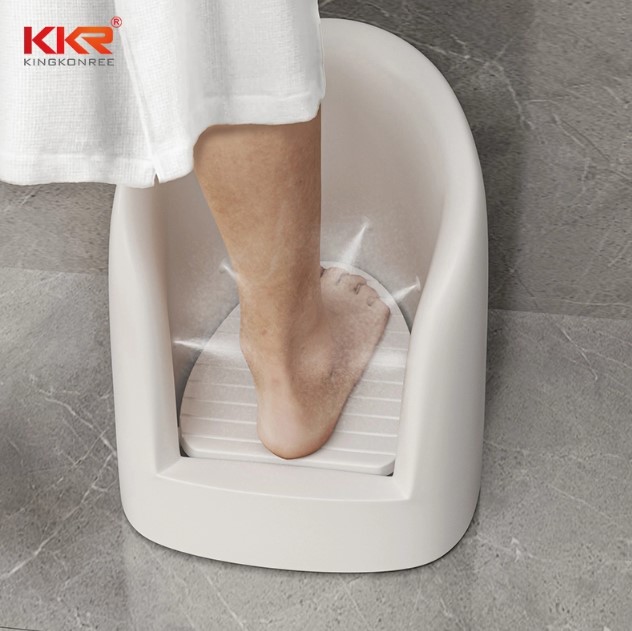
A wudu sink gets regular use, so soap residue, water stains, mineral deposits, and splashes can gradually affect its appearance. Without proper care, even a well-designed basin may start looking dull or develop marks that become harder to remove. A simple cleaning routine helps maintain its finish and keeps the washing area hygienic.
Regular maintenance also protects the surface from avoidable damage. Understanding the right cleaning methods for a Wudu sink makes it easier to remove everyday buildup without using products or tools that could affect its material. Small habits after daily use can make a noticeable difference over time.
Clean The Surface After Regular Use
Water droplets often leave marks when they dry on the basin. This happens more frequently in areas with hard water, where minerals remain on the surface after evaporation. Wiping the sink with a soft microfiber cloth after use helps prevent these marks from building up.
A quick rinse also removes loose soap residue and dirt. Pay attention to the areas around the faucet, drain, and basin edges, as water and cleaning products tend to collect in these spots.
For everyday cleaning, use:
- A soft microfiber cloth
- Lukewarm water
- A small amount of mild liquid soap
- A clean, dry towel for the final wipe
Avoid rough sponges and abrasive cleaning pads. They may leave fine scratches that gradually make the surface look less polished.
Choose Cleaning Products According To The Material
Different sink materials respond differently to cleaning products. A cleaner that works well on one surface may damage another, so check the manufacturer’s care instructions before using a new product.
Solid Surface And Resin Basins
Solid surface sinks usually have a smooth, non-porous finish that makes everyday cleaning straightforward. Mild soap and warm water are generally suitable for removing common dirt and soap residue.
For stubborn marks, use a cleaner approved for the specific material. Avoid strong chemicals, abrasive powders, and rough scouring pads unless the manufacturer confirms they are safe.
Ceramic And Porcelain Basins
Ceramic and porcelain surfaces are generally easy to clean with a soft cloth and a mild bathroom cleaner. Rinse the surface properly after cleaning to prevent product residue from drying on the basin.
Check the area around the drain and faucet for small chips or cracks. Damaged glaze can make cleaning more difficult and may allow dirt to collect in affected areas.
Natural Stone Basins
Natural stone requires more careful treatment. Acidic cleaners, including vinegar and lemon-based solutions, may damage certain stone finishes.
Use a pH-neutral cleaner designed for the specific stone type. Follow the supplier’s instructions for sealing and routine care.
Remove Water Stains And Mineral Deposits Carefully
White spots and cloudy patches often come from minerals in hard water. These deposits may become more noticeable around the faucet and drain, where water frequently remains on the surface.
Start by wiping the affected area with a damp microfiber cloth and mild soap. Rinse it with clean water and dry the surface completely. Repeat the process rather than scrubbing aggressively.
For persistent mineral deposits, choose a descaling product approved for the sink material. Do not assume that vinegar or a general-purpose limescale remover is safe for every basin.
A few preventive habits also help:
- Dry the basin after heavy use.
- Fix dripping faucets promptly.
- Clean around the drain before residue hardens.
- Use a suitable water softening solution when hard water causes frequent buildup.
Keep The Drain And Faucet Area Clean
A clean basin may still look untidy when the drain and faucet collect dirt. Hair, soap residue, and other debris can gather around the drain opening and affect water flow.
Remove visible debris regularly and clean the drain cover with a soft brush. Avoid pushing sharp tools into the drain, as they may damage internal fittings or protective coatings.
The faucet base also needs attention. Water can collect around its edges and leave mineral rings. Wipe this area during routine cleaning and check for signs of leakage.
Prevent Scratches And Surface Damage
The way a sink is used has a direct effect on its appearance. Placing heavy objects in the basin, dropping metal accessories, or using sharp cleaning tools may leave marks.
Keep these items away from the sink surface:
- Steel wool and wire brushes
- Abrasive scouring pads
- Strong acidic or alkaline cleaners
- Sharp tools and heavy metal objects
- Cleaning chemicals that have not been approved for the material
Avoid placing hot cookware or heated tools directly on the basin unless its manufacturer confirms that the material can handle the temperature. Sudden temperature changes may also affect certain surfaces.
Maintain The Surrounding Area
Water can escape from the basin during regular washing, especially when the sink receives frequent use. If it remains around the base or on nearby surfaces, it may cause staining, damp patches, or damage to surrounding cabinets.
Wipe the floor and countertop after cleaning the sink. Check the joints where the basin meets the wall or countertop for gaps, loose sealant, or signs of moisture.
Good ventilation also helps the area dry faster. An exhaust fan or open window can reduce lingering moisture and discourage mold growth around the sink.
Follow A Simple Weekly Maintenance Routine
Daily wiping handles most surface residue, though a weekly check helps catch problems that may go unnoticed. A consistent routine also prevents dirt from collecting in corners and around fittings.
A practical weekly schedule includes:
- Wash the entire basin with a mild cleaner.
- Clean the faucet, handles, and drain cover.
- Check corners and edges for soap buildup.
- Inspect the drain for debris and slow water flow.
- Dry the surface with a clean microfiber cloth.
- Look for scratches, cracks, leaks, or loose sealant.
This routine takes little time and helps keep the sink in good condition. Adjust the cleaning frequency according to how often the basin gets used.
Signs Your Wudu Sink Needs More Than Cleaning
Some problems do not disappear with regular washing. Persistent stains, surface cracks, loose fittings, and recurring leaks may indicate a maintenance issue that needs attention.
Look out for these signs:
- Persistent discoloration: Stains that remain after suitable cleaning may indicate surface damage or material deterioration.
- Cracks or chips: These can affect the basin’s appearance and make cleaning more difficult.
- Slow drainage: Repeated drainage problems may point to a blockage in the plumbing.
- Loose faucet fittings: Movement around the faucet can lead to leaks and water collection.
- Damaged sealant: Gaps around the basin may allow moisture to reach nearby surfaces.
Address these issues early rather than relying on stronger cleaning products. A plumber or qualified installer can inspect plumbing and fitting problems, while the manufacturer can advise on material repairs.
Frequently Asked Questions
How Often Should A Wudu Sink Be Cleaned?
Wipe the basin after regular use to remove water droplets and soap residue. Give it a more thorough cleaning once a week, or more often when several people use it throughout the day.
Can I Use Vinegar To Remove Water Stains?
Vinegar may help remove mineral deposits from some surfaces, but it can damage natural stone and certain protective finishes. Check the manufacturer’s cleaning instructions before applying it.
How Do I Prevent White Marks On My Wudu Sink?
Dry the basin with a microfiber cloth after use to prevent minerals from remaining on the surface. Regular faucet cleaning and prompt removal of water splashes also help reduce white marks.
What Is The Best Cloth For Cleaning A Wudu Sink?
A soft microfiber cloth works well for everyday cleaning. It removes water and light residue without the scratching risk associated with rough pads or wire brushes.
How Can I Keep A Wudu Sink Looking New For Years?
Use material-appropriate cleaners, avoid abrasive tools, dry the surface regularly, and inspect the fittings and drain. These simple steps help protect the finish and prevent minor issues from becoming larger repairs.
Final Thoughts
Keeping a wudu sink in good condition does not require complicated cleaning products or lengthy maintenance sessions. Regular wiping, gentle cleaning, and attention to the drain and faucet can prevent most everyday problems.
Material-specific care matters just as much. The cleaning guidance provided by the manufacturer, including recommendations from kingkonree, can help protect the basin’s finish and prevent damage from unsuitable products. With a consistent routine, the sink can remain clean, functional, and attractive for years.