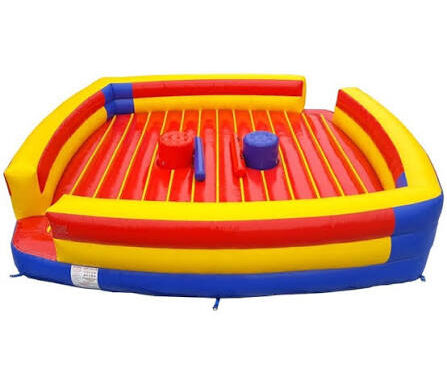

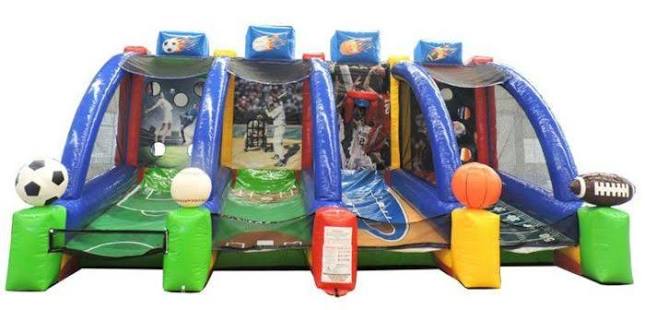
Inflatable sports games have become popular attractions at school events, corporate gatherings, community festivals, birthday parties, and promotional activities. They combine physical movement, friendly competition, and interactive entertainment in formats that can accommodate different ages and skill levels. From inflatable football challenges to basketball shooting games and obstacle courses, these attractions offer an engaging way to bring people together while adding excitement to events.
For event organizers, rental businesses, and entertainment venues exploring Inflatable Sports Games, understanding the available types and their practical applications is an important first step. The right game can encourage participation, support team-building activities, and create memorable experiences for visitors. However, buyers should also consider space requirements, participant capacity, maintenance needs, and safety procedures before choosing a product.
What Are Inflatable Sports Games?
Inflatable sports games are air-supported or inflatable recreational attractions designed around sports-inspired activities, physical challenges, and competitive play. They often use inflatable structures, targets, barriers, goals, or playing areas to create an interactive experience.
Unlike traditional sports equipment, many inflatable versions are designed for temporary installation at events and can be deflated for transportation and storage. Depending on the model, they may be suitable for indoor venues, outdoor events, commercial entertainment centers, or mobile rental operations.
Common examples include inflatable football target games, basketball shooting challenges, inflatable bowling, sports-themed obstacle courses, and interactive games that test coordination or accuracy.
These products are available in different sizes and configurations. Some are designed for individual participation, while others allow two or more players to compete. Their suitability depends on the intended audience, the available installation space, and the manufacturer’s specifications.
Popular Types of Inflatable Sports Games
Inflatable sports games come in many formats, making it possible to select attractions that match different event themes and participation goals.
1. Inflatable Football Games
Inflatable football games are widely used for sports festivals, school competitions, community events, and promotional campaigns. They may feature oversized targets, goal-scoring challenges, or interactive football activities.
Players may be asked to kick a ball through designated openings or aim at specific target areas to earn points. These activities can be adapted for different skill levels by changing the distance, scoring rules, or target arrangement where the design permits.
Football-themed inflatables can also incorporate team colors, sponsor graphics, or event branding. They are particularly useful for organizations seeking an accessible activity that connects with a familiar sport.
2. Inflatable Basketball Shooting Games
Inflatable basketball games provide an opportunity for participants to test their shooting accuracy in a recreational setting. Depending on the model, the attraction may include one or more hoops, designated shooting positions, and a scoring system.
These games are suitable for school fairs, company picnics, shopping center promotions, and sports-themed parties. Multiple players can take turns competing for the highest score, making the activity easy to organize in a busy event environment.
When selecting a basketball inflatable, consider the number of hoops, ball-return arrangements if included, participant flow, and the space needed for safe shooting and movement.
3. Inflatable Obstacle Courses
Inflatable obstacle courses combine sports-inspired competition with physical challenges. They may include tunnels, climbing sections, barriers, crawl-through areas, and slides, depending on the model.
Participants can race against each other or complete the course individually. This format is often suitable for school sports days, team-building events, youth festivals, and large public gatherings.
Obstacle courses may require more space and setup time than smaller target games. Buyers should evaluate the overall dimensions, entrance and exit arrangements, supervision requirements, and the manufacturer’s stated participant limits before choosing a course.
4. Inflatable Bowling Games
Inflatable bowling offers a recreational variation of traditional bowling. The game typically uses oversized inflatable pins and a suitable ball or other manufacturer-approved throwing equipment.
Its simple rules make it accessible to a broad range of participants, depending on the specific design. Players can take turns aiming at the pins, keeping score, and competing in friendly matches.
Inflatable bowling can work well at family events, school activities, community celebrations, and indoor entertainment programs. Organizers should provide enough clear space for players to throw or roll the ball and for other participants to wait safely.
5. Inflatable Baseball and Target Games
Some inflatable sports attractions are designed around pitching, throwing, or aiming challenges. These may feature target holes, scoring zones, or sports-themed graphics that encourage participants to test their accuracy.
Such games can be used at company events, school fairs, sports clubs, and promotional activities. Their compact or modular formats may also make them attractive to rental businesses serving different types of venues.
Before selecting a model, confirm which balls or projectiles are permitted and whether the product includes the necessary accessories. The game should be operated according to its intended use rather than adapted with unapproved equipment.
6. Inflatable Multi-Sport Games
Multi-sport inflatables combine several activities within one attraction or offer interchangeable game features. Depending on the design, they may support football target practice, basketball shooting, throwing challenges, or other sports-inspired activities.
These products can be useful for events that attract diverse audiences because they provide more than one type of challenge. They may also help rental businesses offer a broader entertainment package without purchasing a separate inflatable for every activity.
However, buyers should check whether the game can support the expected participant volume and whether changing between activities requires additional setup, accessories, or supervision.
Key Benefits of Inflatable Sports Games
Inflatable sports games offer several practical advantages when selected and operated appropriately.
Encourage Physical Activity
Many inflatable sports games encourage participants to move, aim, throw, kick, jump, or navigate obstacles. These activities can add a physical component to events that might otherwise focus primarily on sitting, watching, or socializing.
For schools and youth programs, sports-themed inflatables can provide an enjoyable way to introduce movement-based activities. Organizers should select challenges appropriate to participants’ abilities and avoid presenting recreational attractions as a replacement for structured physical education or professional sports training.
Promote Friendly Competition
Scoring systems, timed challenges, and head-to-head activities can make inflatable games more engaging. Participants may compete individually or as members of a team, creating opportunities for friendly rivalry and shared achievements.
Event organizers can introduce simple rules, scoreboards, or small prizes to encourage participation. Keeping the competition inclusive helps ensure that beginners and experienced players can both enjoy the activity.
Suit Different Event Types
Inflatable sports games are available in different sizes and formats, allowing organizers to select attractions for a variety of events.
Smaller target games may suit birthday parties, indoor gatherings, or promotional booths, while larger obstacle courses may be better suited to festivals and outdoor sports days.
This flexibility makes inflatable games useful for schools, community organizations, entertainment venues, rental businesses, and corporate event planners.
Support Team Building
Sports-inspired challenges can encourage communication, cooperation, and group participation. For example, colleagues may work together to achieve a team score or compete in friendly tournaments.
These activities can help create a relaxed environment where participants interact outside their usual work routines. The effectiveness of a team-building activity depends on how it is organized, so event planners should choose challenges that fit the group size, accessibility needs, and event objectives.
Create Opportunities for Branding
Inflatable sports games can also serve as visual attractions at promotional events. Some manufacturers offer customization options such as company logos, brand colors, sponsor graphics, and themed designs.
A branded football target game, for example, can provide an interactive activity while reinforcing a company’s identity. Buyers should confirm that customized artwork does not obscure important safety markings or interfere with the game’s operation.
Applications of Inflatable Sports Games
Inflatable sports games are used in many environments because they can combine entertainment with participation and friendly competition.
School Sports Days and Educational Events
Schools can use inflatable sports games to add variety to sports days, fairs, fundraising events, and extracurricular activities. Target games and simple competitions can help encourage participation among students with different interests.
When planning school activities, organizers should consider age suitability, supervision, accessibility, participant limits, and the time required for each turn. The equipment should be selected according to the school’s safety procedures and the manufacturer’s operating instructions.
Corporate Events and Team-Building Programs
Companies often organize activities to encourage employee interaction and create a more engaging event atmosphere. Inflatable basketball challenges, football target games, and team obstacle courses can introduce a recreational element to corporate gatherings.
Event planners should select games that suit the available venue and the physical capabilities of participants. Clear rules and an organized rotation system can help prevent queues and keep the activity running smoothly.
Festivals and Community Celebrations
Public festivals, fairs, and community celebrations often need attractions that can appeal to a wide range of visitors. Inflatable sports games can provide short, interactive activities that encourage people to participate rather than simply observe.
For large events, organizers should plan the layout carefully, provide sufficient waiting space, and assign trained staff to manage the activity. The installation site must accommodate the inflatable’s footprint, anchoring requirements, and access routes.
Birthday Parties and Private Celebrations
Sports-themed inflatable games can add a competitive element to children’s parties, family celebrations, and private gatherings. Football challenges, basketball games, and smaller obstacle courses may be suitable depending on the participants and available space.
The chosen attraction should match the age group, event duration, and location. Organizers should also consider noise, access to electricity, surface conditions, and any restrictions imposed by the venue.
Shopping Centers and Promotional Campaigns
Retail centers and brands may use inflatable sports games to attract attention during seasonal promotions, product launches, and family-focused events.
Interactive activities can encourage visitors to stop, participate, and engage with a campaign. Branded graphics and simple scoring challenges may help connect the entertainment experience with the promotional message.
Businesses should establish clear rules for participation and consider how the attraction will affect foot traffic, queues, and nearby retail operations.
Rental and Entertainment Businesses
For inflatable rental companies, sports games can expand the range of services offered to customers. Different products can serve birthday parties, school events, corporate functions, festivals, and marketing campaigns.
Before purchasing, rental operators should evaluate local demand, competition, storage capacity, transport requirements, cleaning procedures, and expected maintenance costs. Selecting a balanced inventory can help businesses serve more event types without investing exclusively in large or specialized attractions.
How to Choose the Right Inflatable Sports Game
Selecting an appropriate inflatable involves more than comparing product designs or prices. Buyers should assess the intended use and practical operating requirements before placing an order.
Identify Your Target Audience
Start by determining who will use the game. Children, teenagers, adults, and mixed-age groups may have different expectations and physical capabilities.
Review the manufacturer’s age guidance, participant limits, and other restrictions. Choose a game that offers an appropriate level of challenge without requiring participants to perform activities beyond their abilities.
Measure the Available Space
Check the full dimensions of the inflatable and compare them with the intended installation area. Allow additional room for anchoring, access, entrances, exits, participant movement, and supervision.
For indoor installations, check ceiling height and access through doors or loading areas. For outdoor installations, consider the ground surface, drainage, surrounding structures, and environmental conditions.
Evaluate Product Quality
Review the construction materials, seam reinforcement, stitching, blower specifications, and included accessories. Ask the supplier about quality-control procedures, inspection documentation, warranty coverage, and replacement parts.
Do not rely on appearance alone when evaluating durability. Clear technical information can help you compare products and understand their intended use.
Consider Transportation and Storage
Large inflatables may require a suitable delivery vehicle, additional staff, and dedicated storage space. Check the packed dimensions and weight before ordering.
Consider how frequently the equipment will be transported and whether your business has the resources to handle setup, deflation, drying, cleaning, and storage between events.
Compare the Total Cost
The purchase price is only one part of the overall investment. Additional expenses may include shipping, accessories, electricity, staffing, insurance, cleaning supplies, storage, and repairs.
For rental businesses, estimate potential booking frequency and rental revenue using realistic market information. A product that appears inexpensive may not provide good value if it is difficult to transport, costly to maintain, or unsuitable for the events customers commonly request.
Safety Guidelines for Inflatable Sports Games
Safety should be a central consideration when purchasing, installing, and operating inflatable sports attractions. The exact requirements depend on the product design, location, applicable regulations, and manufacturer’s instructions.
Follow Installation Instructions
Set up the inflatable according to the manufacturer’s requirements. Use the specified anchoring system and confirm that the installation surface is suitable.
Keep the required clearances around the equipment and make sure entrances, exits, and emergency access areas remain unobstructed.
Inspect the Equipment Before Use
Check the inflatable’s material, seams, attachment points, blower, electrical connections, and anchoring accessories before each session.
Do not operate equipment with damage that could affect safe performance. Arrange appropriate repairs and obtain professional assistance when required.
Observe Weather Restrictions
Outdoor inflatables may be unsuitable for operation during strong winds, lightning, heavy rain, or other conditions identified by the manufacturer.
Follow the product’s operating limits and established procedures for stopping use, deflating, or securing the equipment when conditions become unsafe.
Manage Participants Properly
Observe the manufacturer’s participant limits and age or size restrictions. Provide clear instructions, supervise activities, and prevent overcrowding.
For target-based games, keep spectators away from active playing areas and use only the equipment specified for the attraction.
Maintain Electrical Safety
Position blowers and electrical connections according to the manufacturer’s instructions. Protect cables from damage and trip hazards, and use suitable electrical supplies.
Never use damaged cords or equipment. Refer electrical faults to a qualified technician.
Maintenance Tips for Long-Term Performance
Routine care helps inflatable sports games remain clean, functional, and ready for future events.
After use, remove dirt and debris using manufacturer-approved cleaning methods. Allow the inflatable to dry completely before long-term storage, particularly after cleaning or exposure to rain.
Inspect seams, fabric, targets, handles, anchor points, and other components regularly. Check the blower and accessories for visible damage, and address defects before the next booking.
Store the equipment in a clean, dry, protected area away from sharp objects, excessive heat, and prolonged sunlight. Fold and pack the inflatable according to the manufacturer’s instructions, and avoid placing heavy objects on top of it.
For commercial operators, maintaining inspection and repair records can make it easier to track recurring problems and plan maintenance expenses. Follow the recommended service schedule and keep replacement accessories available when appropriate.
Conclusion
Inflatable sports games combine physical activity, friendly competition, and interactive entertainment in formats suitable for schools, corporate gatherings, festivals, private celebrations, and rental businesses. Popular options include football target games, basketball challenges, obstacle courses, inflatable bowling, and multi-sport attractions.
Choosing the right product requires careful consideration of the target audience, available space, construction quality, transportation, maintenance, and operating costs. Safety planning is equally important, from correct anchoring and participant management to regular inspections and compliance with weather restrictions.
With a clear understanding of the available types and their applications, buyers can select inflatable sports games that suit their event objectives, deliver engaging experiences, and provide practical value over time.