
Hydraulic systems are often critical to industrial equipment, so component maintenance can have a direct effect on productivity, operating costs, and equipment availability. Pumps, valves, cylinders, hoses, and fittings all require suitable inspection and care to maintain reliable performance.
When working with a hydraulic components manufacturer, industrial buyers should consider maintenance requirements as part of the purchasing decision. A component that is easy to inspect, replace, and service can provide practical advantages throughout its operating life.
Consider Maintenance Before Purchasing
Maintenance should not be treated as an issue that begins after installation. Buyers can evaluate service requirements before selecting hydraulic components.
Important questions include how frequently the component needs inspection, which parts are considered wear items, whether replacement seals are available, and how easily technicians can access the component.
Considering these factors early can help businesses select products that fit both technical and maintenance requirements.
Evaluate Component Service Life
Different hydraulic components have different expected service lives. Operating pressure, load, temperature, contamination, duty cycle, and installation conditions can all affect how long a component performs effectively.
A component operating continuously under high pressure may experience more wear than one used intermittently under lighter loads.
Buyers should consider expected service life alongside purchase price when comparing products. A lower initial cost may not provide good value if the component requires frequent replacement.
Hydraulic Fluid Cleanliness
Clean hydraulic fluid is essential for protecting pumps, valves, motors, and other precision components. Contamination can cause abrasive wear, sticking valves, seal damage, and reduced system efficiency.
Industrial buyers should consider the filtration requirements associated with each hydraulic system. Filters should be selected according to the required cleanliness level, flow rate, pressure, and hydraulic fluid.
Regular fluid inspection and appropriate filter maintenance can help prevent contamination-related failures.
Inspect Hydraulic Cylinders
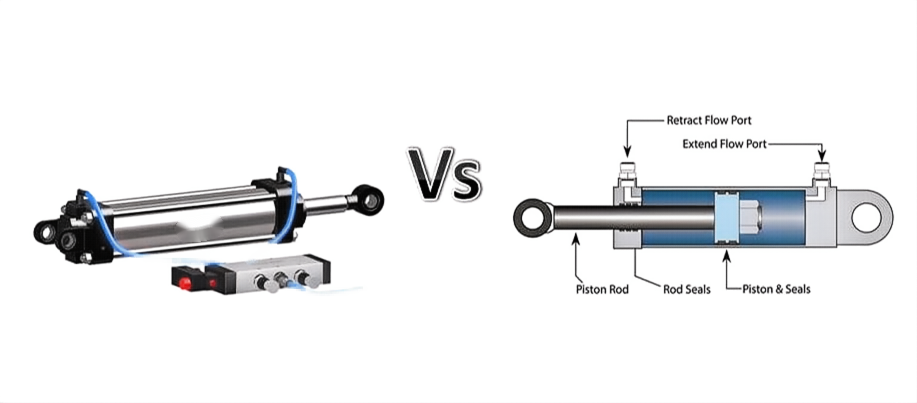
Hydraulic cylinders should be checked for fluid leakage, damaged rods, worn seals, corrosion, and abnormal movement.
A small leak may indicate seal wear, surface damage, or another developing problem. Ignoring it can eventually reduce system pressure and increase fluid consumption.
Cylinder mounting points should also be inspected because misalignment or excessive mechanical loading can contribute to premature wear.
Maintain Hydraulic Pumps
Pump performance can deteriorate due to contamination, excessive heat, incorrect fluid viscosity, cavitation, or normal wear.
Unusual noise, vibration, overheating, reduced flow, or unstable pressure may indicate a pump-related problem.
Following the equipment manufacturer’s recommended fluid, filtration, inspection, and operating procedures can help reduce unnecessary pump wear.
Check Hydraulic Valves
Valves should be inspected for leakage, contamination, sticking, and abnormal operation. A malfunctioning valve can affect the movement, pressure, or speed of other hydraulic components.
Control valves may be particularly sensitive to contaminated fluid because small internal clearances can be affected by particles.
Regular inspection and proper fluid filtration can help maintain valve performance.
Inspect Hoses and Fittings
Hydraulic hoses can deteriorate due to abrasion, excessive bending, heat, pressure cycles, or exposure to unsuitable chemicals.
Industrial maintenance teams should look for visible damage such as cracking, swelling, abrasion, exposed reinforcement, or leakage.
Fittings and connections should also be checked for looseness or signs of leakage. Damaged hoses should be replaced rather than repaired with temporary solutions that may not meet system requirements.
Monitor Temperature
Excessive hydraulic fluid temperature can accelerate fluid degradation and damage seals and other components.
High temperature may result from excessive pressure losses, inadequate cooling, incorrect fluid viscosity, or continuous operation beyond the system’s intended capacity.
Monitoring operating temperature can help identify problems before they cause significant component damage.
Pay Attention to Unusual System Behavior
Changes in machine performance can provide early warnings of hydraulic problems. Operators and maintenance personnel should pay attention to symptoms such as:
- Slow or inconsistent actuator movement
- Unusual pump noise
- Pressure fluctuations
- Excessive heat
- Fluid leakage
- Increased vibration
- Unexpected changes in cycle times
Investigating these symptoms early can help prevent a minor component issue from developing into a larger system failure.
Keep Replacement Parts Available
For critical machinery, having suitable replacement components available can reduce downtime. This is particularly important for seals, filters, hoses, fittings, and other parts that may require more frequent replacement.
Industrial buyers should confirm that replacement components remain available and that their specifications can be matched to existing equipment.
Maintaining accurate part numbers and technical records makes future ordering and maintenance easier.
Consider Standardization
Using standardized hydraulic components across a fleet or production environment can simplify maintenance. Fewer component variations mean technicians may need to manage fewer replacement parts and specifications.
Standardization can also make inventory management more efficient and reduce the risk of installing an incompatible component.
However, standardization should never override application requirements. Components still need to meet the pressure, flow, load, and environmental conditions of the equipment.
Documentation and Maintenance Records
Accurate maintenance records can help industrial buyers understand component performance over time. Records may include installation dates, inspection results, replacement intervals, operating conditions, and failure information.
This information can reveal recurring problems and help determine whether a particular component or supplier is meeting expected performance levels.
Maintenance data can also support better purchasing decisions by showing which parts have higher replacement rates or maintenance costs.
Work With Suppliers on Technical Issues
Manufacturers can be useful sources of technical information when maintenance problems occur. Product specifications, installation guidance, material information, and replacement recommendations can help maintenance teams make informed decisions.
For customized components, maintaining communication with the original supplier can be particularly valuable because the supplier may have access to application-specific drawings and specifications.
Clear technical documentation also reduces the risk of selecting an incorrect replacement.
Plan Preventive Maintenance
Preventive maintenance involves inspecting and servicing hydraulic equipment before a component fails. The appropriate schedule depends on operating conditions, equipment design, manufacturer recommendations, and historical performance.
A preventive program may include fluid checks, filter replacement, hose inspection, cylinder inspection, pressure monitoring, and other application-specific tasks.
The objective is to identify wear and developing problems early rather than waiting for unexpected failure.
Evaluate Total Maintenance Cost
The purchase price of a hydraulic component is only one part of its overall cost. Industrial buyers should also consider installation time, inspection requirements, replacement frequency, downtime, spare-parts availability, and labor.
A component with a slightly higher purchase price may provide better value if it lasts longer or requires less maintenance.
Evaluating total lifecycle cost provides a more useful comparison than focusing exclusively on the initial purchase price.
Conclusion
Maintenance requirements should be an important consideration when industrial buyers select hydraulic components. Fluid cleanliness, component inspection, temperature control, replacement-part availability, documentation, and preventive maintenance all contribute to reliable hydraulic system operation.
By considering maintenance needs before purchasing and working with suppliers that provide appropriate technical information, businesses can reduce avoidable downtime and improve equipment service life. The best component choice combines suitable performance with practical maintenance and long-term support.