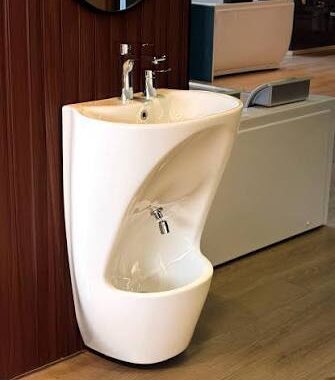

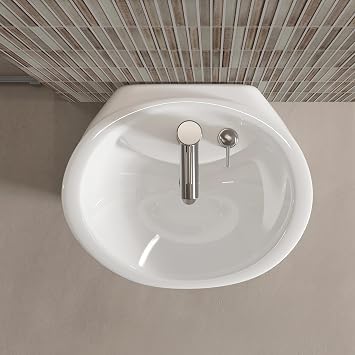
Modern bathroom design focuses on combining visual appeal with practical features that support everyday routines. A wudu basin can contribute to this balance by providing a dedicated space for ablution while complementing the bathroom’s overall style. With thoughtful choices in shape, material, mounting style, and placement, homeowners can create an attractive and functional washing area.
Choosing the right Bathroom Wudu Basin involves more than selecting a contemporary fixture. The basin should accommodate the intended washing activities, fit the available space, and remain easy to clean. Whether the bathroom is compact or spacious, the right design can improve convenience without compromising its interior appearance.
1. Minimalist Wudu Basin Designs
Minimalist bathroom interiors emphasize simple shapes, clean lines, and uncluttered surfaces. A wudu basin with a streamlined profile can complement this style while keeping the washing area visually organized.
Wall-mounted models are particularly suitable for minimalist bathrooms because they leave the floor beneath the fixture open. This can make a small room feel less crowded and simplify routine floor cleaning.
Neutral colors, understated faucets, and simple wall finishes can further strengthen the minimalist appearance. Avoid unnecessary decorative details around the basin, especially in compact bathrooms where visual clutter can make the space feel smaller.
When choosing a minimalist design, ensure that the bowl is still deep and wide enough for comfortable washing. A simple appearance should never come at the expense of everyday functionality.
2. Wall-Mounted Wudu Basins for Contemporary Bathrooms
Wall-mounted wudu basins are a practical option for modern homes because they combine a streamlined appearance with flexible placement.
These basins can work well in narrow bathrooms, guest washrooms, and dedicated ablution areas. Depending on the product design, plumbing can be concealed to create a cleaner look, although maintenance access should be considered during installation.
Before selecting a wall-mounted model, check the wall structure, mounting requirements, and positions of the water supply and drainage connections. The fixture must be securely supported according to the manufacturer’s instructions.
Consider the installation height carefully, particularly if the basin will be used by children, older adults, or people with limited mobility. A well-positioned wall-mounted basin can provide both visual simplicity and practical comfort.
3. Countertop Wudu Basins with Modern Finishes
Countertop basins can introduce a distinctive design feature into a contemporary bathroom. They sit on or within a supporting surface, allowing homeowners to coordinate the bowl with a vanity, countertop, and surrounding finishes.
A simple bowl paired with a clean-lined countertop can create a balanced appearance. In larger bathrooms, a wider surface may provide additional room for essential toiletries or washing accessories.
However, countertop designs require sufficient space and a stable, moisture-resistant supporting surface. The combined height of the counter and basin should also allow comfortable use.
For a cohesive result, coordinate the basin’s shape and color with the vanity and faucet. Keep the surrounding surface relatively uncluttered so the washing area remains easy to clean and maintain.
4. Compact Wudu Basin Designs for Small Bathrooms
Small bathrooms require fixtures that make efficient use of the available space. Compact wudu basins can provide a dedicated washing area without taking up as much room as a large vanity installation.
Corner basins are useful when an unused corner can accommodate the fixture. Narrow wall-mounted models can also preserve floor space and help maintain a clear walking route.
When evaluating compact designs, check more than the external dimensions. The bowl should provide adequate space for the intended washing activities, while the faucet should direct water into the basin without excessive splashing.
Avoid positioning the fixture where it blocks a door, shower entrance, or access to the toilet. Accurate measurements before purchase can help prevent installation problems and preserve the bathroom’s functionality.
5. Natural Materials and Contemporary Surface Finishes
Material selection plays an important role in the appearance and maintenance of a modern wudu basin. The surface should complement the bathroom’s design while withstanding regular water exposure and cleaning.
Ceramic and porcelain are common choices because their glazed finishes are generally easy to clean. Solid-surface materials can provide a contemporary appearance and may allow integrated basin-and-countertop designs.
Natural stone can introduce texture and visual character, although some varieties require sealing and more specialized care. The appropriate maintenance routine depends on the specific stone and its finish.
Consider coordinating the basin with surrounding tiles, countertops, and cabinets. A consistent material palette can make the bathroom feel more cohesive without requiring every surface to have the same finish.
6. Integrated Wudu Basins for a Seamless Appearance
Integrated designs combine the basin with a countertop or surrounding surface to create a coordinated installation. Depending on the construction, this approach can reduce visible transitions and make routine cleaning easier.
A seamless-looking design can be particularly effective in contemporary bathrooms where simple surfaces and consistent finishes are preferred. It may also help organize the washing area by providing a clearly defined space for the basin.
When choosing an integrated model, inspect how the bowl, countertop, and drainage components are constructed. Joints and connections must be properly finished to prevent water from penetrating surrounding materials.
Confirm that the complete unit fits the available space and provides sufficient access to the plumbing. A well-designed integrated basin should balance appearance, usability, and maintainability.
7. Modern Wudu Basins for Large Bathrooms
Larger bathrooms offer more flexibility in the placement and design of an ablution fixture. Instead of fitting the basin into an existing corner, homeowners may be able to create a dedicated washing zone.
A wider basin, integrated countertop, or purpose-designed foot-washing fixture can work well when sufficient clearance is available. The area may also include nearby storage for essential items, provided that cabinets do not obstruct movement.
Consider separating the ablution area from the shower and toilet zones where practical. This can improve organization and help establish a clear layout for different bathroom activities.
Large bathrooms still require careful planning. An oversized basin may occupy unnecessary space if its dimensions do not match the household’s needs, so choose the fixture according to its intended function.
8. Neutral Colors and Coordinated Bathroom Fixtures
Color coordination can help a wudu basin blend naturally into the bathroom interior. White, beige, gray, and other neutral tones often work well with contemporary finishes because they create a calm and consistent appearance.
A white basin paired with light-colored walls can help a compact bathroom feel brighter. Darker countertops or contrasting faucets may provide visual definition in a larger space.
Metal finishes should also complement the surrounding fixtures. Coordinating faucet handles, shower fittings, and cabinet hardware can create a more intentional design.
Rather than introducing too many colors and textures, select a small group of complementary finishes. This approach keeps the bathroom visually balanced while allowing the basin to remain a functional feature.
9. Lighting Ideas Around a Wudu Basin
Good lighting improves both the appearance and usability of an ablution area. A well-lit basin makes routine washing easier and helps users identify water marks, residue, and areas that need cleaning.
In small bathrooms, even lighting can help reduce dark corners and make the room feel more open. In larger bathrooms, a dedicated light above or near the basin can define the washing area without making it feel separate from the rest of the interior.
Choose lighting that complements the bathroom’s overall style. Simple fixtures often suit minimalist interiors, while more decorative designs may work in traditional or transitional spaces.
Because the basin is exposed to water, electrical fixtures must be selected and installed according to applicable bathroom safety requirements. Keep electrical components appropriately separated from water sources and use suitable equipment for the location.
10. Water Management and Slip-Resistant Flooring
A stylish bathroom must also manage water effectively. During ablution, splashes may reach the floor, especially when the basin is used for foot washing.
Select a basin shape and faucet arrangement that help direct water into the bowl. The surrounding wall and floor finishes should be suitable for regular moisture exposure, with appropriate waterproofing where required.
Slip-resistant flooring is particularly important in areas that may become wet. If the design includes a floor drain, the floor should be properly graded toward it and the drainage system installed in accordance with local requirements.
Keep towels and accessories within convenient reach without creating obstacles. Effective water management helps protect the bathroom’s finishes and supports safer everyday use.
11. Accessible Wudu Basin Designs
Modern interiors should accommodate the needs of different users. A thoughtfully designed wudu basin can improve access for children, older adults, and people with limited mobility.
Consider the basin height, bowl depth, faucet controls, and available space around the fixture. Some users may benefit from additional knee clearance or a seated washing arrangement.
If support rails are required, they should be selected and securely installed for their intended purpose. The floor should offer reliable traction when wet, and the route to the basin should remain free from obstructions.
Accessibility requirements vary according to the user and the building. For a household with specific mobility needs, professional advice can help determine appropriate dimensions and support features before installation.
12. Storage Ideas for a Functional Ablution Area
Storage can help maintain a clean and organized bathroom, but it should not interfere with washing or movement.
In small bathrooms, a narrow wall shelf or compact cabinet may provide enough room for essential items. Wall-mounted storage can preserve floor space, provided it does not obstruct the faucet or create a hazard.
Larger bathrooms may accommodate drawers or a vanity beneath a countertop basin. Choose moisture-resistant materials and ensure that plumbing connections remain accessible for future maintenance.
Keep the immediate basin area free of unnecessary products. A simple arrangement makes cleaning easier and allows the fixture’s design to remain visible.
13. How to Choose the Right Modern Wudu Basin
Before selecting a basin, evaluate the practical requirements of the bathroom alongside your preferred interior style.
Consider these factors:
- Available space: Measure the installation area and allow clearance for doors and nearby fixtures.
- Basin dimensions: Ensure the bowl supports the intended washing activities.
- Mounting style: Compare wall-mounted, corner, countertop, and integrated options.
- Material: Choose a finish that suits the bathroom’s appearance and cleaning requirements.
- Plumbing: Confirm that water supply and drainage connections can be installed appropriately.
- Water management: Plan for splashing, waterproofing, and suitable flooring.
- Accessibility: Consider the needs of everyone who will use the basin.
- Maintenance: Check the manufacturer’s cleaning instructions, warranty, and installation requirements.
Reviewing these details before purchasing can help prevent costly changes and ensure that the finished bathroom remains practical as well as attractive.
Conclusion
Modern bathroom wudu basin designs offer several ways to combine contemporary style with the practical requirements of daily ablution. Wall-mounted and compact corner models can help preserve space in smaller bathrooms, while countertop and integrated designs can complement larger interiors.
The most effective design balances appearance with comfortable washing, reliable drainage, easy cleaning, and appropriate accessibility. By choosing suitable materials, coordinating the basin with surrounding finishes, and planning the installation carefully, homeowners can create a stylish ablution area that supports everyday use without compromising the bathroom’s overall functionality.