
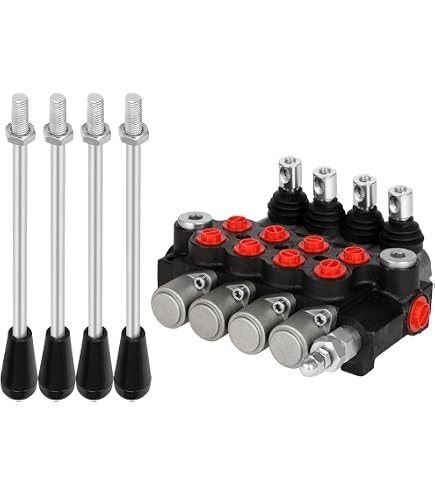
Hydraulic control valves are essential for regulating pressure, directing fluid, and controlling actuator movement in many types of machinery. When a valve is developed for a specialized application, however, differences in operating conditions, installation requirements, and system design can create challenges that need to be addressed during engineering and use.
A customized hydraulic control valve can be adapted to specific pressure, flow, connection, and control requirements, but customization does not automatically eliminate potential problems. Understanding common issues can help engineers specify, install, and maintain the valve more effectively.
Incorrect Valve Sizing
One of the most common problems is selecting a valve that does not match the system’s actual flow requirements. An undersized valve can create excessive pressure loss and restrict actuator performance.
An oversized valve may also create disadvantages, including higher cost and potentially less precise control. Valve sizing should therefore consider both normal and peak flow conditions.
Pressure Rating Mismatch
A valve must be capable of handling the pressure conditions present in the hydraulic circuit. Problems can occur when the design considers only typical operating pressure and overlooks pressure spikes.
Engineers should identify normal, maximum, and transient pressure conditions before finalizing the valve specification. The complete hydraulic circuit should be reviewed to understand where pressure fluctuations may occur.
Excessive Internal Leakage
Internal leakage can reduce hydraulic efficiency and affect actuator performance. In some applications, excessive leakage may cause a cylinder or motor to drift when it should remain stationary.
Possible contributing factors include worn internal surfaces, contamination, incorrect clearances, damaged seals, or unsuitable operating conditions. Appropriate inspection and testing can help identify the cause.
External Hydraulic Leakage
External leakage can occur around ports, seals, fittings, or valve body joints. Besides wasting hydraulic fluid, leakage can introduce contamination into the surrounding environment.
Correct connection specifications, suitable seals, proper assembly, and regular inspection can help reduce this risk. Leaking components should be evaluated promptly rather than continually operated without correction.
Poor Flow Control
Inconsistent flow can result in irregular actuator movement, unwanted speed changes, or reduced machine precision. This may be caused by valve design, incorrect sizing, pressure fluctuations, or contamination.
Flow requirements should be clearly defined during the design stage. Testing at different flow rates can help verify that the valve behaves consistently across its intended operating range.
Pressure Drop Problems
Every hydraulic valve creates some resistance to fluid flow, but excessive pressure drop can reduce system efficiency and generate additional heat.
If pressure drop is higher than expected, engineers should review valve sizing, internal passages, flow requirements, and other restrictions in the circuit. The valve should be evaluated as part of the complete hydraulic system.
Contamination and Sticking
Hydraulic valves contain moving and precision-machined components that can be affected by contaminated fluid. Particles may interfere with spool movement, damage surfaces, or contribute to premature wear.
Maintaining appropriate filtration and fluid cleanliness is essential. Clean assembly and installation practices are equally important when introducing a new valve into the system.
Seal Compatibility Problems
Seals must be compatible with the hydraulic fluid, pressure, temperature, and movement involved in the application. Using an unsuitable seal material can result in swelling, hardening, cracking, or leakage.
Seal specifications should therefore be established during the design process rather than treated as a minor replacement detail.
Temperature-Related Performance Changes
Hydraulic fluid viscosity changes with temperature, which can affect valve response and flow behavior. Seals and other components may also have defined temperature limits.
Applications with significant temperature variation should specify the expected operating range. Valve materials and sealing systems can then be selected accordingly.
Connection and Installation Errors
A technically suitable valve can still cause problems if it is installed incorrectly. Common issues include incorrect port connections, unsuitable fittings, improper mounting, and inadequate hose routing.
Installation should follow the approved hydraulic schematic and valve documentation. Connections should also be checked before the system is pressurized.
Electrical Control Problems
Electrically actuated valves may experience problems related to incorrect voltage, wiring, connectors, control signals, or controller settings.
Before commissioning, verify that the valve’s electrical specifications match the machine’s control system. For proportional valves, control parameters may also require appropriate configuration.
Insufficient Response or Control Accuracy
Some applications require rapid or highly precise valve response. If the valve does not respond as expected, the cause may involve internal design, actuation, pressure conditions, electrical control, or system contamination.
Performance requirements should be defined in measurable terms during the design stage. Testing under representative operating conditions can help determine whether the valve meets those targets.
Inadequate Installation Space
Space limitations can become a problem when a customized valve is developed without considering the complete installation environment. Connections, hoses, wiring, and maintenance access all require clearance.
Before finalizing dimensions, engineers should evaluate the valve’s physical location and surrounding components. This helps prevent installation or servicing difficulties later.
Unexpected Noise and Vibration
Abnormal noise or vibration may indicate flow instability, pressure fluctuations, cavitation, loose connections, or other hydraulic problems. These symptoms should not automatically be attributed to the valve itself.
The pump, fluid level, filtration, piping, and other system components should also be checked. A complete circuit analysis can help distinguish valve-related issues from wider hydraulic problems.
Lack of Proper Testing
Skipping adequate testing can allow design or manufacturing problems to reach the final equipment. Visual inspection alone cannot verify pressure performance, leakage, flow behavior, or response characteristics.
Depending on the application, testing may include:
- Pressure testing
- Leakage testing
- Flow measurement
- Pressure-drop evaluation
- Actuation testing
- Temperature testing
- Endurance or cycle testing
The appropriate tests should be based on the valve’s intended operating conditions.
Poor Documentation
Incomplete documentation can make installation, maintenance, and troubleshooting more difficult. Important information may include valve drawings, connection specifications, operating limits, pressure settings, and test results.
Maintaining accurate technical records also makes it easier to reproduce or replace a customized valve when required.
How to Prevent Common Problems
Most valve-related problems can be reduced through careful engineering and maintenance. A practical approach includes:
- Define the hydraulic system’s actual operating conditions.
- Match pressure and flow requirements accurately.
- Confirm fluid, temperature, and material compatibility.
- Check physical and electrical interfaces.
- Maintain appropriate hydraulic cleanliness.
- Test the valve against clear acceptance criteria.
- Install and commission the valve according to specifications.
- Monitor performance during normal operation.
These steps help identify potential issues before they develop into costly failures.
Final Considerations
Customized hydraulic valve applications can involve unique technical challenges, but many common problems can be anticipated during the design and specification stages. Incorrect sizing, pressure mismatches, leakage, contamination, poor flow control, connection errors, and inadequate testing are among the issues that deserve particular attention.
The most effective approach is to treat the valve as part of the complete hydraulic system. Accurate specifications, appropriate materials, thorough testing, proper installation, and routine maintenance can help improve reliability and support consistent hydraulic performance.