
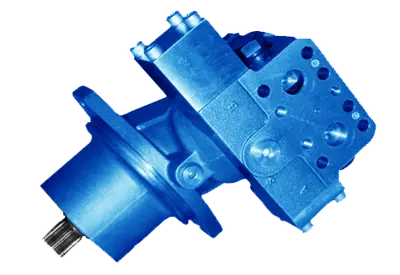
Piston pumps are engineered for demanding industrial applications where pressure, reliability, and consistent fluid delivery are important. Their performance depends not only on the pump design but also on the quality of materials, machining, assembly, inspection, and testing used during production.
When evaluating a piston pump manufacturer, industrial buyers should look closely at manufacturing controls and quality standards rather than focusing only on product specifications. Understanding how piston pumps are manufactured can make it easier to assess reliability, service life, and suitability for a particular application.
Why Manufacturing Quality Matters
A piston pump contains several precision components that must work together under repeated mechanical loads and pressure. Small variations in dimensions, surface finish, or component alignment can affect sealing, efficiency, vibration, and operating life.
Consistent manufacturing processes help reduce these risks. Quality control at different stages of production also makes it easier to identify defects before the finished pump reaches the customer.
Key Quality Standards for Piston Pumps
Quality standards provide a framework for controlling product design, manufacturing, inspection, and testing. The specific standards required can vary according to the pump type, industry, location, and intended application.
Manufacturers may implement quality management systems covering areas such as:
- Material verification
- Dimensional inspection
- Component traceability
- Process control
- Assembly inspection
- Pressure and performance testing
- Final product inspection
For specialized industrial applications, buyers should confirm which standards and certifications are relevant to their particular project.
Material Selection and Inspection
The manufacturing process begins with selecting materials suitable for the pump’s operating environment. Components may require different materials depending on pressure, temperature, corrosion, abrasion, and the characteristics of the pumped fluid.
Commonly evaluated components include cylinders, pistons, valves, shafts, seals, and connecting parts. Materials should be checked against the required specifications before they enter production.
Material Traceability
Traceability can be especially important for industrial equipment. It allows manufacturers and buyers to identify material batches and component information when quality investigations or replacement requirements arise.
Proper records can also support consistent production when pumps are manufactured in multiple batches.
Precision Machining
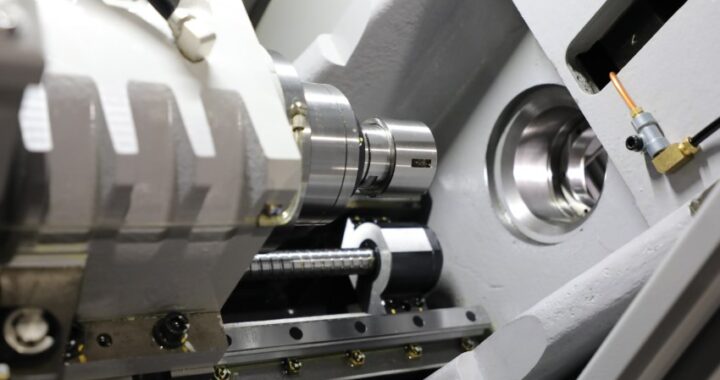
Piston pump components often require accurate machining because the interaction between moving and stationary parts directly affects performance.
Cylinders, piston surfaces, valve seats, shafts, and other precision parts may undergo machining processes designed to achieve specified dimensions and surface finishes.
Dimensional Control
Manufacturers use measuring equipment to verify critical dimensions during production. Depending on the component, inspection may include diameter, length, concentricity, flatness, surface finish, and other tolerances.
Maintaining these specifications helps ensure that components fit correctly during assembly.
Surface Finishing
Surface condition can affect friction, wear, sealing, and resistance to corrosion. Certain components may therefore require grinding, polishing, coating, or other finishing processes.
The appropriate finish depends on the component’s function and the operating environment. A sealing surface, for example, may have different requirements from an external structural component.
Assembly Process
Once individual components have passed inspection, they are assembled according to defined procedures. Correct installation of pistons, valves, seals, packing, bearings, and other parts is essential for reliable operation.
Assembly quality also depends on proper alignment and controlled fastening. Incorrect installation can lead to leakage, excessive wear, vibration, or premature component failure.
Seal and Valve Installation
Seals and valves are particularly important because they influence fluid containment and directional flow. During assembly, these components should be installed according to the applicable specifications.
Improper sealing or valve positioning can reduce pump efficiency and create operational problems even when the major mechanical components are manufactured correctly.
Pressure and Performance Testing
Testing provides an opportunity to verify that the completed pump performs according to its specified requirements. The exact tests depend on the pump design and intended use.
Typical quality checks may include pressure testing, leakage inspection, operational testing, and performance verification.
Pressure Testing
Pressure testing helps determine whether the pump and its relevant components can withstand the required operating conditions without unacceptable leakage or structural problems.
Test pressures and procedures should be established according to the applicable technical requirements for the equipment.
Performance Testing
Performance tests can evaluate characteristics such as flow rate, pressure, speed, and operating stability. Comparing measured results with specifications helps identify potential problems before shipment.
For critical applications, buyers may request appropriate test records or inspection documentation.
Quality Control During Production
Effective quality assurance is not limited to final inspection. It should be incorporated throughout the manufacturing process.
A controlled production system may include inspections at several stages, including incoming materials, machining, component assembly, and final testing.
This approach can identify problems earlier, reducing the possibility that defective components will progress to later manufacturing stages.
Importance of Process Documentation
Manufacturing documentation supports consistency and accountability. Work instructions, inspection records, material certificates, and test reports can provide evidence that established procedures were followed.
Documentation is particularly useful when pumps are produced for regulated or technically demanding industries where customers require detailed quality records.
Manufacturing Technology and Automation
Modern manufacturing facilities may combine skilled technicians with computer-controlled machining and inspection equipment. CNC machining, digital measurement systems, and automated production processes can improve repeatability when properly implemented.
However, technology alone does not guarantee quality. Equipment must be correctly calibrated, maintained, and operated within controlled manufacturing procedures.
Quality Control of Critical Components
Not every pump component has the same impact on performance. Critical parts require particular attention because their failure can affect pressure containment, fluid delivery, or mechanical operation.
Manufacturers should establish appropriate inspection criteria for these components and ensure that parts meet their specified requirements before assembly.
Supplier and Component Management
Pump quality can also depend on externally sourced components. Bearings, seals, valves, fasteners, motors, and other purchased parts may influence overall performance.
A structured supplier-management process can help ensure that externally sourced components meet the required specifications. Consistent incoming inspection can further reduce quality risks.
Final Inspection Before Shipment
The final inspection provides a last opportunity to confirm that the completed pump meets the required specifications.
Depending on the product, final checks may include:
- Overall appearance and assembly condition
- Dimensions and connection points
- Identification and labeling
- Leakage and pressure results
- Performance test results
- Required documentation
Proper packaging is also important because precision components can be damaged during transportation if they are not adequately protected.
How Buyers Can Evaluate Manufacturing Quality
Industrial buyers should ask manufacturers for practical evidence of their quality processes rather than relying solely on general statements.
Useful questions include:
- What quality management system is used?
- How are incoming materials inspected?
- Which components receive dimensional inspection?
- What pressure and performance tests are performed?
- Are test reports available for individual pumps?
- How are critical components and materials traced?
- How frequently is measurement equipment calibrated?
- What documentation accompanies the finished product?
The answers can provide a clearer picture of how consistently a manufacturer controls its production process.
Balancing Quality, Cost, and Performance
High manufacturing quality does not necessarily mean selecting the most expensive pump. Instead, buyers should look for an appropriate balance between reliability, performance, maintenance requirements, and purchase cost.
A pump manufactured with consistent processes and suitable materials may provide better long-term value by reducing unexpected maintenance and operational interruptions.
Conclusion
The quality of a piston pump is closely connected to the processes used to design, manufacture, inspect, assemble, and test it. Material control, precision machining, dimensional inspection, careful assembly, and performance testing all contribute to dependable operation.
For industrial buyers, understanding these manufacturing practices provides a practical way to compare suppliers. Rather than evaluating pumps on specifications alone, buyers should also examine quality systems, production controls, testing procedures, documentation, and component traceability to determine whether a manufacturer can consistently meet the demands of the intended application.