
Global sourcing can give industrial buyers access to a broader range of gear pump designs, manufacturing capabilities, materials, and pricing options. However, purchasing from an overseas supplier also requires careful evaluation of technical specifications, quality systems, communication, logistics, and long-term support.
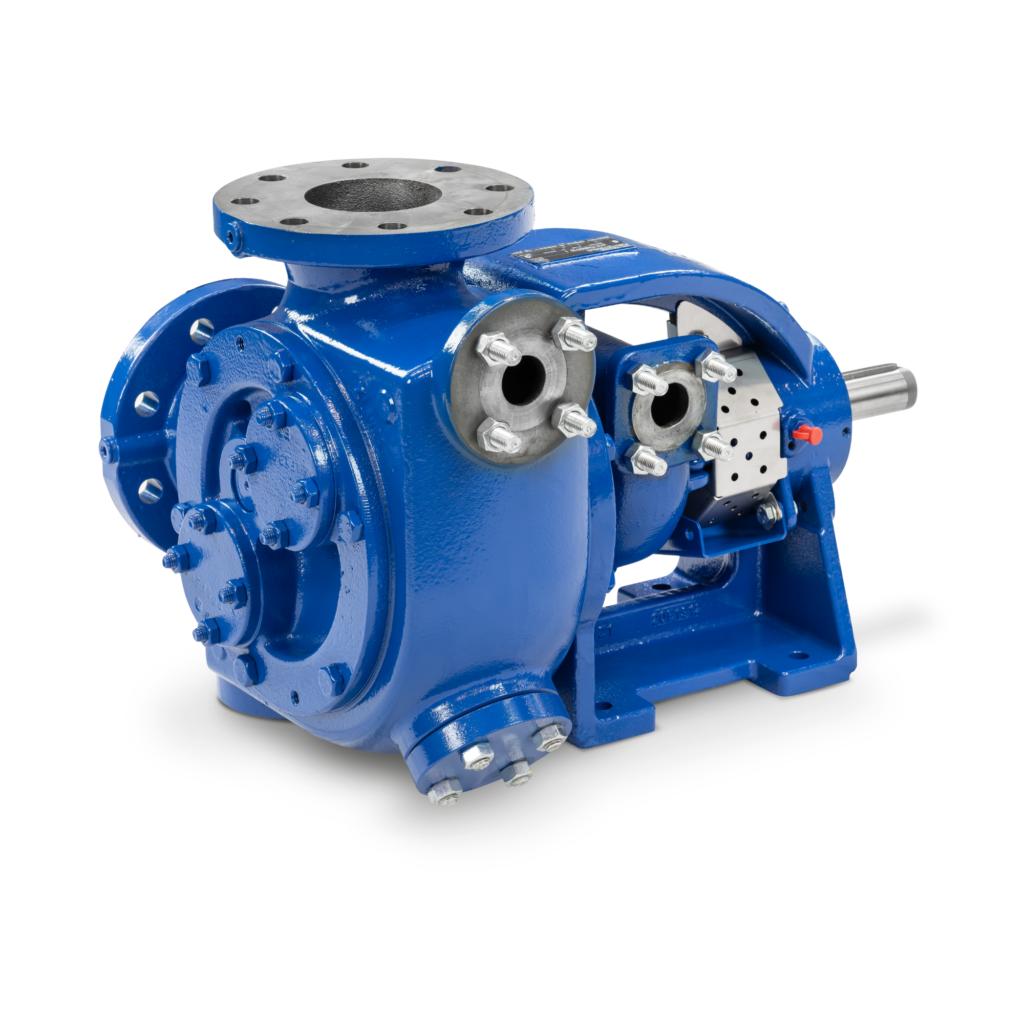
When comparing suppliers internationally, working with an experienced gear pump manufacturer can help buyers evaluate whether available products match their application requirements. The sourcing process should focus on technical suitability and supply reliability rather than relying solely on purchase price.
What Is Global Gear Pump Sourcing?
Global sourcing involves purchasing products or components from manufacturers located in different countries or regions. For gear pumps, this may include standard models, customized products, OEM components, or complete pumping solutions.
International sourcing can provide access to specialized manufacturing facilities and different production capabilities. At the same time, buyers need to account for transportation, import requirements, communication differences, and longer supply chains.
A structured evaluation process can reduce many of these challenges.
Why Companies Source Gear Pumps Globally
Companies may consider international suppliers for several reasons. A global supplier can offer competitive manufacturing costs, specialized engineering expertise, broader product selections, or production capacity that is not readily available locally.
Global sourcing may also be useful for OEM manufacturers that need recurring quantities of standardized or customized components.
The potential advantages should be weighed against the supplier’s quality, delivery performance, communication, and support capabilities.
Define Your Technical Requirements First
Before contacting manufacturers, buyers should establish clear technical requirements. This makes it easier to compare quotations and prevents suppliers from making assumptions about the intended application.
Important specifications may include:
- Required flow rate
- Operating and maximum pressure
- Rotational speed
- Fluid type
- Fluid viscosity
- Operating temperature
- Material requirements
- Mounting dimensions
- Shaft configuration
- Inlet and outlet connections
Clear specifications allow international suppliers to provide more accurate proposals.
Standard Versus Customized Gear Pumps
Buyers should determine whether a standard pump can meet the application requirements or whether customization is necessary.
Standard products may offer simpler procurement and potentially shorter lead times. Customized pumps can provide better integration with specialized equipment but may require engineering review, prototype development, and additional testing.
When requesting customization, provide drawings, dimensional requirements, operating conditions, and expected quantities whenever possible.
Evaluating Manufacturing Capability
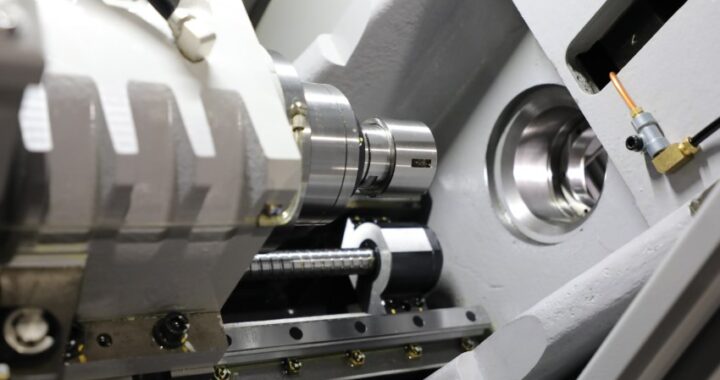
A supplier’s manufacturing capability is an important part of global sourcing. Buyers should understand how critical components are produced and inspected.
Areas worth evaluating include:
- Machining capabilities
- Gear manufacturing
- Material processing
- Heat treatment
- Surface finishing
- Assembly procedures
- Inspection equipment
- Performance testing
The objective is to determine whether the manufacturer can consistently produce pumps that meet the specified requirements.
Quality Management
Quality management becomes especially important when purchasing from a distant supplier. Buyers may have fewer opportunities for direct inspection or rapid intervention.
A manufacturer should have documented procedures for material control, production inspection, assembly, testing, and handling of nonconforming products.
Quality certifications can provide useful information about management systems, but buyers should also examine product-specific inspection and testing practices.
Sample and Prototype Evaluation
For new suppliers, requesting samples or prototypes can provide practical information about product quality and manufacturing consistency.
A sample should be evaluated against agreed technical specifications rather than judged only by appearance.
Depending on the application, testing may cover dimensions, flow, pressure, leakage, noise, vibration, or other relevant performance characteristics.
Factory Audits and Supplier Assessment
A factory audit can provide additional insight into a supplier’s actual production environment. Depending on the project, an audit may review manufacturing equipment, material storage, inspection procedures, production records, assembly areas, and testing facilities.
For smaller purchases, a full audit may not be necessary. For long-term OEM programs or high-value projects, however, supplier assessment can be worthwhile.
The depth of evaluation should reflect the importance and risk of the application.
Communication During the Sourcing Process
Clear communication is essential when working across international markets. Technical specifications should be documented carefully to minimize misunderstandings.
Drawings, datasheets, inspection criteria, and approved samples can help establish a common reference point.
Buyers should also identify a clear contact for engineering questions, order updates, quality concerns, and logistics coordination.
Understanding Lead Times
International sourcing often involves longer and more variable lead times than local purchasing. Production schedules, material availability, order quantity, customization, and transportation can all influence delivery.
Buyers should request lead times for both initial orders and repeat production.
It is also useful to distinguish manufacturing lead time from transportation time when planning project schedules.
Logistics and Transportation
Once production is complete, the pumps must be transported to their destination. Shipping method, packaging, quantity, destination, and customs procedures can affect the overall delivery schedule and cost.
Proper packaging is particularly important for precision components. Pumps should be protected against impact, moisture, contamination, and other transportation risks.
Shipping responsibilities should be clearly defined before the order is placed.
Import and Customs Considerations
International purchases may involve customs documentation, duties, taxes, product classifications, and local import requirements.
Buyers should determine which party is responsible for customs clearance and related charges.
Working with experienced logistics providers can help reduce administrative problems, but buyers should still understand their own responsibilities under the agreed purchasing terms.
Total Cost Instead of Unit Price
A low quoted unit price does not necessarily represent the lowest overall cost. Global sourcing involves additional expenses that can affect the final landed cost.
These may include:
- International freight
- Insurance
- Customs duties
- Taxes
- Inspection costs
- Packaging
- Warehousing
- Currency fluctuations
- Replacement or warranty expenses
Comparing total landed cost provides a more realistic basis for supplier selection.
Currency and Payment Considerations
International transactions may involve currency conversion and different payment arrangements. Exchange-rate changes can affect the final purchasing cost.
Buyers should establish payment terms, currency, banking requirements, and applicable transaction conditions before placing an order.
For large or recurring purchases, financial terms should be evaluated alongside product and supply-chain considerations.
Warranty and After-Sales Support
Service support is an important consideration when sourcing internationally. If a pump develops a problem, returning equipment across borders can be expensive and time-consuming.
Before purchasing, buyers should understand the supplier’s warranty terms, troubleshooting procedures, replacement-part availability, and responsibilities for defective products.
For critical equipment, access to technical support can be especially valuable.
Spare Parts and Long-Term Availability
A global sourcing decision should account for the complete service life of the equipment. Seals, bearings, bushings, gears, and other components may eventually need replacement.
Buyers should ask how spare parts are identified, ordered, and supplied. For customized pumps, retaining accurate drawings and specifications can make future replacement orders easier.
Long-term availability should be considered before committing to a proprietary design.
Protecting Product Consistency
For recurring purchases, maintaining consistent specifications is essential. A supplier should be able to reproduce the approved design across multiple production batches.
Buyers can support consistency by establishing controlled drawings, material specifications, inspection criteria, and approved samples.
Changes to materials, dimensions, components, or manufacturing processes should be communicated and approved where necessary.
Building a Long-Term Supplier Relationship
Global sourcing works best when the relationship extends beyond individual transactions. Regular communication can help manufacturers understand changing demand, technical developments, and future production requirements.
Long-term relationships may also improve forecasting and production planning.
However, buyers should continue monitoring supplier performance through measurable factors such as quality, delivery, responsiveness, and consistency.
Questions to Ask a Global Gear Pump Supplier
Before selecting an overseas manufacturer, consider asking:
- What gear pump models and configurations are available?
- What customization capabilities are offered?
- Which materials and sealing options can be supplied?
- What quality control procedures are used?
- What performance testing is performed?
- What are the standard and custom lead times?
- What production capacity is available?
- How are samples and prototypes handled?
- What warranty and technical support are provided?
- How are spare parts supplied?
- What packaging and shipping arrangements are available?
- Can the supplier support recurring OEM production?
The answers can help buyers compare suppliers using objective criteria.
Creating a Supplier Comparison
A supplier comparison should include more than the quoted price. Buyers can create a simple evaluation covering technical capability, quality, delivery, communication, logistics, and service.
For example, manufacturers can be compared based on:
| Evaluation Area | Key Consideration |
|---|---|
| Technical capability | Can the supplier meet the required specifications? |
| Manufacturing | Are suitable equipment and processes available? |
| Quality | Are inspection and testing procedures established? |
| Capacity | Can production volumes be supported? |
| Lead time | Are delivery schedules realistic? |
| Logistics | Can products be shipped efficiently? |
| Service | Are technical support and spare parts available? |
| Cost | What is the total landed cost? |
This approach helps prevent a low initial quotation from overshadowing more important long-term factors.
Final Thoughts
Global sourcing can provide industrial buyers with access to competitive manufacturing, specialized capabilities, and a wider range of gear pump solutions. However, successful international procurement requires careful planning.
Buyers should evaluate technical specifications, manufacturing capability, quality control, production capacity, lead times, logistics, total cost, warranty terms, and long-term service support. By assessing these factors systematically, companies can make more informed sourcing decisions and establish reliable international supply relationships for their gear pump requirements.