
Retailers often treat toys as a seasonal category, but children’s interests rarely follow a retail calendar. A birthday in March, a rainy weekend in July or a family visit in October can all create demand. For a reseller, this matters because stock planning based only on Christmas may miss smaller, steadier opportunities. The task is to understand which products people buy throughout the year, rather than assuming every toy belongs in a December promotion. That creates room for more careful buying decisions across several smaller trading periods.
Early-year buying brings its own pattern. Some families replace toys after the festive period, while others look for activities during school holidays. Shops may also clear ranges that did not sell as expected. Those goods can interest independent traders, provided the items are suitable for their customers and have been checked carefully.
A calendar of different reasons to buy
Spring can bring demand for garden games, simple craft sets and outdoor activities. Summer gives families another reason to shop for travel-friendly entertainment and toys that can be used outside. By autumn, interest may shift towards puzzles, indoor play and gifts for upcoming birthdays. Weather, local events and the age of a trader’s audience can change which categories move.
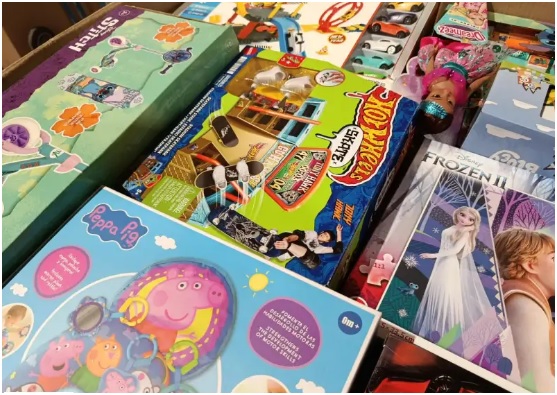
Some resellers consider toy pallets when they want to test several product lines without ordering large quantities of each individual item. Mixed stock can reveal unexpected winners, but it also creates work. Each product needs to be identified, assessed and sorted. If the load contains unsuitable or incomplete goods, those items may reduce the margin available from the saleable stock.
The important checks happen before listing
Safety deserves particular attention with children’s products. Age warnings, small components, batteries and the condition of packaging may all affect whether an item is appropriate to resell. Traders should check applicable UK product-safety obligations and keep records that support what they offer. An item that looks attractive in a photograph still requires a practical inspection. Buyers are trusting the seller to describe what will actually arrive.
Presentation also influences the value customers see. A complete boxed activity set might work well as a gift, while a gently damaged outer carton may be more suitable for a clearly described budget listing. Photographing the actual product, stating any faults and avoiding vague claims helps customers make informed decisions. It can also reduce disagreements after delivery.
Small experiments beat sweeping assumptions
Instead of filling a storeroom with one type of product, a trader can compare modest groups of stock over several weeks. Which toys attract questions? Which sell without heavy discounts? Which generate returns or take too long to photograph? These observations reveal more than a single busy weekend.
For example, a market stall serving local families may notice repeated interest in affordable creative activities. An online shop might find collectors more willing to wait for specialist items. Neither pattern can safely be applied to every business. Before ordering more toy pallets, the seller can use its own sales evidence to decide whether variety or a tighter range makes better commercial sense.
Keeping stock useful all year
Storage and cash flow are easily overlooked in toy trading. Bulky boxes take up space, fragile packaging can deteriorate, and money tied up in unsold goods cannot fund the next order. A sensible purchasing schedule leaves room to react to new information. It also accounts for time spent preparing listings, answering questions and dispatching purchases.
The toy trade stays active because families have different needs at different points in the year. Christmas may create a large peak, but it is not the only source of demand. Resellers who learn from customers, check stock carefully and buy to suit their available space can build a more balanced approach. In that setting, toy pallets become one possible sourcing method rather than a substitute for sound retail judgement.