
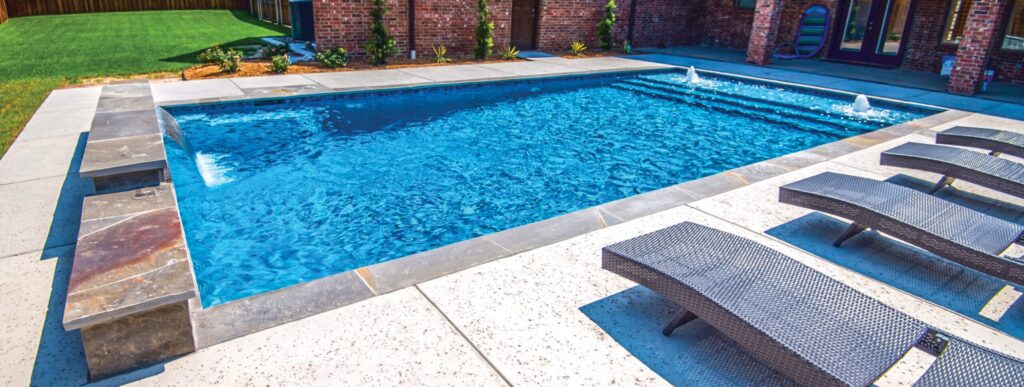
A swimming pool can enhance a property’s functionality, provide opportunities for exercise, and create a welcoming space for relaxation. However, achieving these benefits requires more than selecting an attractive design. Proper installation, suitable equipment, and consistent maintenance are essential for keeping a pool safe, efficient, and enjoyable over time.
Homeowners exploring Swimming Pool Solutions should consider the entire lifecycle of their pool, from initial planning and construction to routine servicing and eventual equipment replacement. Professional guidance can help identify practical requirements, reduce avoidable mistakes, and ensure that the finished installation suits the property’s layout and the owner’s expectations.
Why Professional Swimming Pool Installation Matters
Swimming pool installation involves several technical considerations, including ground conditions, structural support, plumbing, electrical systems, and water circulation. Errors during construction can lead to leaks, uneven surfaces, equipment problems, or expensive repairs.
Experienced pool installers assess the site before recommending a suitable design. They can identify potential drainage issues, evaluate access for construction equipment, and determine which installation methods are appropriate for the property.
Professional installation also helps ensure that essential systems work together correctly. Pumps, filters, heaters, and sanitation equipment must be selected and configured according to the pool’s dimensions, intended use, and environmental conditions.
Benefits of Expert Pool Design and Planning
Careful planning helps homeowners make informed decisions before construction begins. A professional assessment considers both the immediate design goals and the practical requirements of long-term ownership.
Better Use of Available Space
Not every property can accommodate a large traditional swimming pool. A professional can help determine whether a compact exercise pool, an in-ground design, or another configuration is more appropriate.
The placement of the pool should also preserve convenient access, drainage routes, and enough surrounding space for maintenance and safe movement. This approach helps integrate the pool into the existing landscape without unnecessarily sacrificing usable outdoor areas.
Improved Safety and Compliance
Pool safety depends on both construction quality and the features incorporated into the design. Suitable barriers, secure gates, slip-resistant surfaces, safe electrical installations, and properly fitted drain covers can reduce common hazards.
Qualified professionals can help homeowners understand applicable building regulations and safety requirements. Nevertheless, owners must continue to follow local rules and supervise children around water, even when protective features are installed.
More Informed Equipment Selection
Choosing equipment based solely on price can lead to inefficient operation or inadequate performance. Pool professionals can recommend appropriately sized pumps, filters, heating systems, and sanitation equipment based on actual requirements.
Correct sizing helps maintain circulation and water quality while avoiding unnecessary energy consumption. It can also make routine maintenance more manageable.
The Importance of Regular Swimming Pool Maintenance
Once a pool is installed, ongoing maintenance becomes essential for protecting water quality and preserving the condition of its components. Without a consistent routine, debris, algae, imbalanced chemicals, and equipment wear can gradually affect the swimming environment.
Professional maintenance services provide a structured approach to these responsibilities. Depending on the service arrangement, technicians may inspect equipment, test water chemistry, clean surfaces, and identify developing problems before they become more serious.
Maintaining Balanced Water Chemistry
Water chemistry directly affects swimmer comfort, sanitation, and the lifespan of pool materials. Incorrect pH or sanitizer levels can contribute to irritation, algae growth, corrosion, or scale formation.
Regular testing allows adjustments to be made according to established guidelines and product instructions. Professionals can also help identify recurring imbalances caused by heavy use, rainfall, high temperatures, or problems with the circulation system.
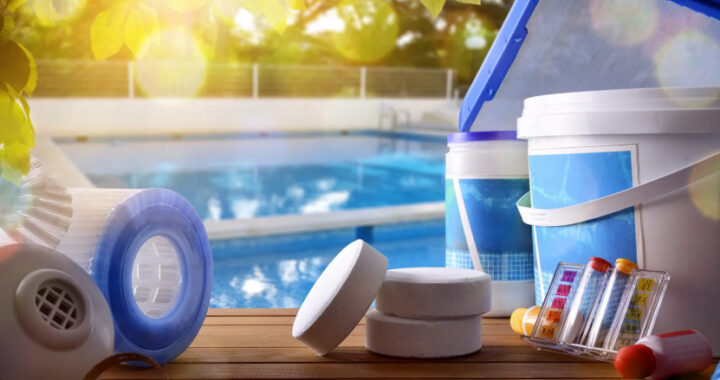
Chemical handling requires care. Pool chemicals should be stored securely, used as directed, and never mixed in ways that could produce hazardous reactions.
Keeping Filtration and Circulation Systems Efficient
The filtration system removes suspended particles, while circulation helps distribute treated water throughout the pool. If these systems are poorly maintained, water clarity and sanitation can deteriorate.
Routine servicing may include inspecting pumps, cleaning filters, checking skimmer baskets, and examining visible plumbing for leaks. Following the manufacturer’s maintenance schedule helps equipment operate as intended and can reduce unnecessary strain on mechanical components.
Preventing Costly Repairs
Small maintenance issues can develop into larger problems when they go unnoticed. A minor leak, unusual pump noise, or declining circulation may indicate a fault that requires attention.
Regular inspections help identify these warning signs earlier. Although professional servicing has an ongoing cost, timely repairs may prevent more extensive damage and reduce the likelihood of unexpected equipment failure.
Improving Energy Efficiency and Controlling Operating Costs
Swimming pools can consume considerable energy, particularly when they use continuous circulation, heating, and additional water features. Professional advice can help homeowners identify opportunities to improve efficiency without compromising water quality.
Variable-speed pumps can reduce electricity consumption when operated at appropriate settings. Pool covers limit evaporation and heat loss, while efficient heaters can help control the energy required to maintain comfortable water temperatures.
Other useful practices include:
- Selecting equipment that matches the pool’s volume and expected usage.
- Cleaning filters and maintaining circulation systems according to manufacturer guidance.
- Using heating and lighting schedules that reflect actual needs.
- Inspecting plumbing for leaks and addressing unnecessary water loss.
- Choosing durable materials that suit local weather conditions.
Actual savings depend on the pool design, equipment, climate, electricity rates, and maintenance habits. Comparing estimated lifetime operating costs can therefore be more useful than considering the initial purchase price alone.
Extending the Lifespan of Pool Components
A swimming pool contains several components that experience regular exposure to water, chemicals, sunlight, and changing temperatures. Pool finishes, seals, pumps, filters, heaters, and plumbing may deteriorate if they are not maintained properly.
Professional inspections can help establish whether a component needs routine servicing, repair, or replacement. Keeping records of maintenance work and equipment performance also makes it easier to identify recurring issues.
Homeowners can support these efforts by following recommended cleaning schedules, maintaining balanced water chemistry, and avoiding unauthorized modifications to electrical or mechanical systems.
Seasonal preparation is equally important in areas where freezing temperatures, intense heat, or heavy rainfall affect pool operation. Maintenance procedures should be adapted to local conditions and the manufacturer’s recommendations.
Professional Maintenance Versus Do-It-Yourself Care
Many routine pool tasks can be handled by homeowners with suitable knowledge and equipment. Skimming debris, brushing surfaces, monitoring water chemistry, and checking water levels are practical ways to support regular upkeep.
However, some tasks require specialized training or equipment. Electrical repairs, structural assessments, persistent leaks, and complicated pump or heater faults should generally be handled by qualified technicians.
A combined approach often works well: homeowners perform straightforward routine tasks while arranging professional inspections and servicing when necessary. The appropriate balance depends on the owner’s experience, available time, pool complexity, and maintenance budget.
Choosing a Reliable Swimming Pool Service Provider
Selecting a suitable installation or maintenance provider requires more than comparing quotes. Homeowners should evaluate qualifications, relevant experience, service coverage, and the clarity of the proposed work.
Before making a decision, consider the following factors:
- Relevant experience: Look for a provider familiar with the pool type and equipment involved in the project.
- Clear pricing: Request an itemized estimate that identifies installation work, equipment, and any exclusions.
- Maintenance arrangements: Confirm which inspections, cleaning tasks, and repairs are included in a service agreement.
- Safety and compliance: Check whether the provider follows applicable construction, electrical, and pool safety requirements.
- Communication: Choose a professional who explains technical recommendations and provides clear guidance about future maintenance.
Written estimates and service records help establish expectations and make it easier to compare providers fairly. Homeowners should also ask how urgent problems are handled and whether replacement parts or additional repairs incur separate charges.
Conclusion
Professional swimming pool installation and maintenance can help homeowners create a safer, more efficient, and more reliable swimming environment. Expert planning supports appropriate design and equipment selection, while routine servicing helps protect water quality, prevent avoidable damage, and extend the useful life of pool components.
The best approach combines professional expertise with responsible everyday care. By considering installation quality, maintenance requirements, energy consumption, and long-term costs from the beginning, homeowners can make informed decisions and enjoy the practical benefits of their swimming pool for years to come.