
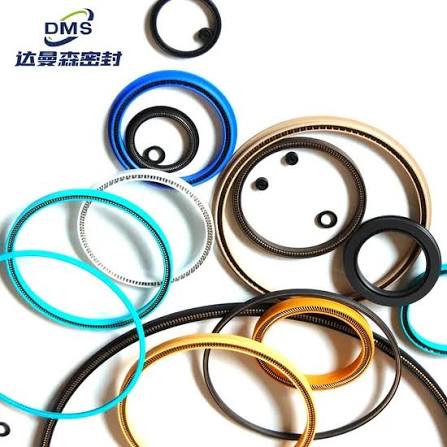
The material used in a sealing component has a major influence on its durability, flexibility, chemical resistance, and overall performance. Industrial seals operate in different environments, where they may encounter high pressure, extreme temperatures, friction, hydraulic fluids, chemicals, and external contaminants. Selecting an unsuitable material can lead to premature wear, leakage, and unexpected equipment maintenance.
Understanding the materials used in DMS Seals and other industrial sealing solutions helps engineers and equipment operators make informed decisions. Different materials offer specific performance advantages, making them suitable for particular applications. From rubber compounds to advanced synthetic polymers, each material has characteristics that determine how effectively it performs under different operating conditions.
Why Does Material Selection Matter for Industrial Seals?
Industrial seals are responsible for maintaining barriers between connected mechanical components. Their effectiveness depends not only on their design and dimensions but also on the physical and chemical properties of the materials used.
A suitable sealing material must maintain its shape, elasticity, and sealing capability throughout its expected service life.
Material selection is important for several reasons:
- Leakage prevention: Appropriate materials maintain effective contact with sealing surfaces.
- Temperature resistance: Different materials can withstand different temperature ranges without losing their properties.
- Chemical compatibility: Suitable compounds resist deterioration when exposed to oils, fuels, and industrial chemicals.
- Wear resistance: Durable materials help reduce damage caused by friction and repeated movement.
- Pressure resistance: Proper material strength helps seals withstand the operating pressure of machinery.
- Longer service life: Materials suited to their working environments can reduce premature replacement.
Understanding these characteristics makes it easier to match sealing materials with specific industrial requirements.
1. Nitrile Rubber (NBR)
Nitrile rubber, commonly known as NBR, is one of the most widely used materials in industrial sealing applications. It is a synthetic elastomer manufactured from acrylonitrile and butadiene.
Its popularity comes from its good resistance to petroleum-based oils, fuels, and many hydraulic fluids.
Performance Benefits
NBR offers several useful characteristics:
- Good resistance to mineral oils and petroleum-based fluids.
- Suitable elasticity for many static and dynamic sealing applications.
- Good abrasion resistance in appropriate formulations.
- Reliable performance in many standard industrial environments.
- Cost-effective material options for general-purpose applications.
Common Applications
Nitrile rubber is frequently used in:
- Hydraulic seals.
- Pneumatic seals.
- O-rings.
- Oil seals.
- Automotive components.
- Industrial pumps and valves.
However, NBR has limitations when exposed to certain chemicals, ozone, weathering, and very high temperatures. Its suitability should always be checked against the actual operating environment.
2. Polyurethane (PU)
Polyurethane is a synthetic polymer widely used in sealing applications that require mechanical strength and resistance to abrasion.
It is particularly useful in hydraulic equipment where seals experience repeated movement and contact with surrounding surfaces.
Performance Benefits
Polyurethane offers several advantages:
High Wear Resistance: It performs well in applications involving repeated friction and mechanical movement.
Mechanical Strength: Its physical strength helps it withstand demanding operating conditions.
Good Load Resistance: Certain polyurethane formulations can handle significant mechanical stress.
Elastic Properties: It can maintain useful flexibility while providing effective sealing performance.
Common Applications
Polyurethane is commonly used in:
- Hydraulic piston seals.
- Rod seals.
- Wiper seals.
- Heavy machinery.
- Construction equipment.
- Industrial cylinders.
Its limitations include sensitivity to certain chemicals and temperature conditions, depending on the specific formulation.
3. Fluorocarbon Rubber (FKM)
Fluorocarbon rubber, commonly identified as FKM, is used in industrial applications requiring resistance to elevated temperatures, oils, fuels, and various chemicals.
It is often selected when conventional elastomers cannot provide the necessary environmental resistance.
Performance Benefits
FKM offers several important characteristics:
- Good resistance to many oils and fuels.
- Strong performance in many high-temperature applications.
- Resistance to a wide range of industrial chemicals.
- Low gas permeability in many formulations.
- Good resistance to aging under suitable operating conditions.
Common Applications
FKM seals are frequently used in:
- Automotive fuel systems.
- Industrial pumps.
- Chemical processing equipment.
- Hydraulic systems.
- Compressors.
- High-temperature machinery.
Although FKM offers excellent resistance in many environments, it is not compatible with every chemical. Certain fluids, including some ketones and amines, may require alternative materials.
4. Silicone Rubber
Silicone rubber is known for its flexibility and ability to maintain useful properties across a broad temperature range.
Unlike some conventional elastomers, silicone can remain flexible in relatively cold environments while also performing in many elevated-temperature applications.
Performance Benefits
Its main advantages include:
- Excellent flexibility.
- Broad temperature capability.
- Good resistance to aging and weather exposure.
- Electrical insulation properties.
- Low compression set in suitable formulations.
Common Applications
Silicone sealing components are used in:
- Food processing equipment.
- Medical and pharmaceutical machinery.
- Electrical enclosures.
- Temperature-sensitive equipment.
- Static sealing applications.
However, silicone generally has lower abrasion and tear resistance than polyurethane and is not the preferred choice for every high-friction dynamic application.
5. Polytetrafluoroethylene (PTFE)
Polytetrafluoroethylene, commonly known as PTFE, is a high-performance fluoropolymer used in demanding sealing applications.
It is especially valued for its low friction, chemical resistance, and ability to perform in challenging temperature environments.
Performance Benefits
PTFE provides several advantages:
Low Friction: Its smooth surface helps reduce friction between moving components.
Chemical Resistance: It withstands exposure to many aggressive chemicals.
Temperature Stability: It can operate across a wide temperature range, depending on the application.
Low Moisture Absorption: Its properties make it suitable for many fluid-handling environments.
Dimensional Stability: Properly designed PTFE sealing products can maintain useful performance under demanding conditions.
Common Applications
PTFE is commonly used in:
- Hydraulic seals.
- Chemical processing equipment.
- Valve seals.
- Pump assemblies.
- Compressor systems.
- Specialized industrial machinery.
Because PTFE has limited elasticity compared with rubber materials, sealing designs may incorporate energizers or supporting components to maintain effective contact.
6. Ethylene Propylene Diene Monomer (EPDM)
EPDM is a synthetic rubber known for its resistance to weathering, ozone, water, and many environmental conditions.
It is commonly selected for applications involving water-based fluids and outdoor exposure.
Performance Benefits
EPDM offers:
- Excellent resistance to ozone and weathering.
- Good resistance to water and steam in suitable formulations.
- Strong performance in many outdoor environments.
- Good flexibility.
- Resistance to several polar chemicals.
Common Applications
EPDM seals are frequently used in:
- Water treatment systems.
- Plumbing equipment.
- HVAC systems.
- Automotive cooling systems.
- Industrial water-handling equipment.
One important limitation is that EPDM is generally unsuitable for petroleum-based oils and fuels. Alternative materials may be necessary for those applications.
7. Neoprene Rubber (CR)
Neoprene, also called chloroprene rubber, is a versatile synthetic elastomer used in applications requiring a balance of physical strength and environmental resistance.
It offers useful resistance to weathering, ozone, and moderate oil exposure, depending on the formulation.
Performance Benefits
Its characteristics include:
- Good weather resistance.
- Moderate oil resistance.
- Useful flexibility.
- Resistance to abrasion in suitable formulations.
- Good mechanical durability.
Common Applications
Neoprene is used in:
- Industrial gaskets.
- Protective sealing components.
- Refrigeration equipment.
- Automotive applications.
- General-purpose industrial machinery.
Its performance depends on the specific chemical, temperature, and mechanical conditions involved.
8. Metal and Composite Sealing Materials
Not all industrial seals are made entirely from elastomers or polymers. Some applications require metal seals or composite structures that combine different materials.
Metal seals are commonly used in specialized environments where high pressure, elevated temperatures, or demanding mechanical conditions make conventional rubber materials unsuitable.
Composite sealing products may combine metal reinforcement with elastomeric or polymeric elements.
Performance Benefits
These designs can offer:
- High structural strength.
- Resistance to demanding pressure conditions.
- Improved dimensional stability.
- Suitable performance in specialized high-temperature environments.
- A combination of flexibility and mechanical support.
Common Applications
Metal and composite seals are used in:
- Heavy industrial equipment.
- High-pressure systems.
- Oil and gas machinery.
- Specialized valves.
- Industrial processing equipment.
Their selection requires careful consideration of material compatibility, surface finish, installation requirements, and operating conditions.
Comparison of Common Industrial Sealing Materials
The following table provides a general comparison of commonly used sealing materials.
| Material | Main Performance Advantage | Common Applications |
|---|---|---|
| NBR | Oil and fuel resistance | Hydraulic systems, O-rings |
| PU | Abrasion and wear resistance | Hydraulic cylinders |
| FKM | Chemical and temperature resistance | Pumps, fuel systems |
| Silicone | Temperature flexibility | Static seals, specialized equipment |
| PTFE | Low friction and chemical resistance | Valves, pumps, chemical equipment |
| EPDM | Weather and water resistance | Water systems, HVAC |
| Neoprene | Weathering and general durability | Gaskets, industrial machinery |
| Metal | Structural strength | High-pressure industrial systems |
The actual performance of each material depends on its formulation, manufacturing quality, seal design, and operating environment.
How to Choose the Right Material for DMS Seals
Selecting a sealing material requires more than identifying the machine in which it will be installed. Engineers should evaluate the complete operating environment before making a decision.
Consider the Working Fluid
Identify the liquids or gases that will come into contact with the seal. Hydraulic oil, fuel, water, steam, and industrial chemicals can affect materials differently.
Always verify chemical compatibility using technical documentation.
Evaluate Temperature Requirements
Determine the expected minimum and maximum operating temperatures. Consider temporary temperature increases caused by friction or demanding operating cycles.
Choose a material that can maintain its properties throughout the expected temperature range.
Check Pressure and Mechanical Loads
Seals must withstand the pressure and mechanical forces generated by the equipment. High-pressure hydraulic systems may require specialized sealing designs and materials.
Identify Movement and Friction
Static applications generally have different requirements from rotating or reciprocating systems.
Dynamic applications often require materials with appropriate wear resistance, elasticity, and friction characteristics.
Review Environmental Exposure
Consider whether the seal will encounter sunlight, moisture, ozone, dust, vibration, or corrosive substances.
Environmental resistance is particularly important for outdoor machinery and equipment used in harsh industrial environments.
Consider Service Life and Maintenance
A suitable material should provide reliable performance without requiring unnecessarily frequent replacement.
Evaluate expected operating life, inspection requirements, and the cost of maintenance when comparing material options.
Common Material Selection Mistakes to Avoid
Incorrect material selection can reduce sealing effectiveness and lead to equipment problems.
Some common mistakes include:
- Choosing based only on price: Lower-cost materials may not provide the required resistance or durability.
- Ignoring chemical compatibility: Exposure to incompatible fluids can cause swelling, cracking, or material deterioration.
- Overlooking temperature limits: Excessive heat or cold can affect elasticity and sealing performance.
- Using the wrong material for dynamic applications: Materials with insufficient wear resistance may fail prematurely.
- Assuming all rubber materials are interchangeable: Each elastomer has different physical and chemical properties.
- Ignoring manufacturer specifications: Technical data should always be reviewed before selecting a replacement material.
Avoiding these mistakes helps ensure that sealing components are appropriate for their intended applications.
Conclusion
The materials used in DMS seals and other industrial sealing solutions have a significant influence on their performance, durability, and suitability for different applications. Nitrile rubber, polyurethane, fluorocarbon, silicone, PTFE, EPDM, neoprene, and metal-based materials each provide specific advantages.
Choosing the right option requires evaluating operating pressure, temperature, fluid compatibility, friction, and environmental exposure. By matching material properties with actual equipment requirements, businesses can reduce leakage, minimize premature wear, and improve machinery reliability.
A careful material selection process, supported by accurate technical specifications and regular maintenance, helps industrial facilities achieve dependable sealing performance and better long-term operational efficiency.