
Choosing the right wudu basin height is essential for creating a comfortable, practical, and accessible ablution area. A basin positioned too high may cause unnecessary reaching, while one installed too low can lead to excessive bending and discomfort. Whether you are designing a residential bathroom, a private prayer room, or a mosque ablution facility, the installation height should suit the people who will use it.
Unlike a standard bathroom sink, a wudu basin may need to accommodate different washing movements, including washing the face, arms, and feet. The right height, combined with a suitable basin shape and faucet position, can make daily ablution easier while helping maintain a clean and safe environment.
Why Wudu Basin Height Matters
Basin height directly affects how comfortably users can reach the water and move during ablution. An appropriate installation can reduce awkward postures and make the washing process more convenient.
Height is especially important in households with children, older adults, or people with limited mobility. In shared facilities, a single fixed height may not be comfortable for every user, so the overall layout should account for different needs.
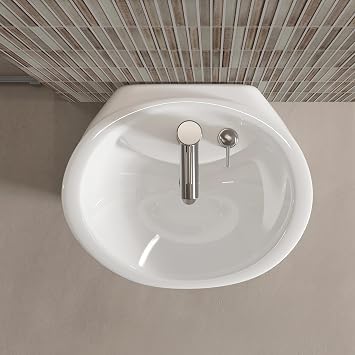
When selecting a Wudu Basin, consider more than the height alone. The basin’s depth, faucet reach, available legroom, and intended washing position all influence usability.
What Is the Ideal Height for a Wudu Basin?
There is no single ideal height for every wudu basin. The appropriate measurement depends on the basin design, the user’s height, whether washing is performed while standing or sitting, and the intended purpose of the fixture.
For a conventional standing basin, the top rim is often installed around 80–90 cm (31–35 inches) above the finished floor. This can serve as an initial reference for planning, but it is not a universal specification for dedicated ablution fixtures.
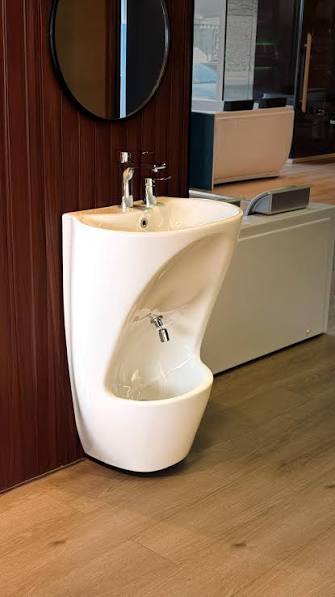
A specialized wudu basin may require a different height, particularly if it includes a foot-washing area, a seat, or an integrated structure. The manufacturer’s installation instructions and the needs of the intended users should guide the final measurement.
Before installation, test the proposed height where possible. Users should be able to reach the faucet and basin comfortably without excessive bending or stretching.
Factors to Consider When Choosing Basin Height
User Height and Comfort
The height of the people using the basin is one of the most important considerations. A basin that works well for a tall adult may be uncomfortable for a shorter person.
For a family bathroom, consider the needs of the household as a whole. If children use the basin regularly, a safe step stool may be an option when appropriate and supervised. Avoid compromising the main installation height if doing so would make the basin uncomfortable for most adult users.
In shared facilities, evaluate the likely range of user heights and whether additional washing stations at different heights would improve convenience.
Standing or Seated Ablution
Some wudu basins are designed primarily for standing use, while others accommodate seated washing. These arrangements require different planning considerations.
For standing use, the basin should allow users to reach the water comfortably while maintaining a stable posture. For seated use, the relationship between the seat, basin, faucet, and available legroom becomes especially important.
If the basin includes a dedicated foot-washing area, follow the manufacturer’s guidance on the intended position and installation height. Avoid choosing dimensions based solely on the height of a conventional handwashing sink.
Basin Depth and Shape
The depth and shape of a basin influence how its height feels in practice. A deep basin may require a different installation position from a shallow model, even when both have similar external dimensions.
A basin with adequate depth can help contain splashes, while a practical shape provides enough room for washing. However, excessive depth may make the water difficult to reach, especially for children and shorter users.
Consider the internal basin dimensions alongside the overall height before making a final decision.
Faucet Position
Faucet placement should complement the basin height. A faucet that is too high, too low, or too far from the user can make washing awkward and increase splashing.
Check the faucet’s reach, handle position, and water flow. Controls should be easy to operate, and the water should enter the basin without striking an unsuitable surface or splashing onto the surrounding floor.
The faucet and basin should be planned together rather than installed as separate elements without considering their relationship.
Choosing Wudu Basin Height for Different Settings
Different environments have different requirements. The installation should reflect the available space and the people who will use it.
Wudu Basin Height for Home Bathrooms
Residential bathrooms generally need to balance comfort with the dimensions of the room. A conventional standing basin height of approximately 80–90 cm can provide a useful starting point, but the selected product and the household’s needs should determine the final measurement.
In small bathrooms, ensure that the basin does not interfere with nearby fixtures or restrict movement. If the sink is intended for both everyday handwashing and ablution, consider whether its dimensions and faucet arrangement can comfortably support both uses.
Wudu Basin Height for Mosques
Mosques may serve worshippers of different ages and physical abilities. A carefully planned ablution area should provide comfortable access, sufficient clearance, and safe movement between washing stations.
Rather than assuming one height will suit everyone, assess the intended basin design and the user population. Where practical, providing accessible stations or fixtures at different heights may improve usability.
High-traffic facilities should also consider the spacing between stations, drainage capacity, and the amount of room available for users to wash without obstructing others.
Wudu Basin Height for Older Adults and People with Limited Mobility
For older adults and people with mobility limitations, the height of the basin should be considered alongside seating, support rails, and approach clearance.
A seated washing arrangement may reduce the need to stand for extended periods. However, the basin, seat, and faucet must be positioned so that users can reach the water safely without twisting or leaning excessively.
Accessibility requirements vary by location and installation type. Consult applicable building standards and a qualified professional when designing an accessible ablution facility.
Wall-Mounted vs. Floor-Standing Basin Height
The basin’s mounting style also influences installation planning.
Wall-mounted basins can often be positioned at a height that suits the intended users, provided the wall and mounting system can safely support the fixture. The final height should account for the basin’s dimensions and the position of its plumbing connections.
Floor-standing basins have a fixed or more restricted relationship between the basin and its base. Their dimensions should be checked carefully before purchase because changing the finished height may require modifications to the installation.
In either case, measure from the finished floor rather than from an unfinished structural surface. This helps ensure that flooring and other finishing materials do not change the final basin height unexpectedly.
Common Mistakes to Avoid
Incorrect planning can make a wudu basin less comfortable, even when the fixture itself is well designed.
- Copying standard sink dimensions without checking the product: Dedicated ablution basins may have different shapes and intended uses.
- Ignoring user needs: A height suitable for one person may not work for an entire household or a diverse group of worshippers.
- Overlooking faucet reach: The water controls should be easy to reach from the intended washing position.
- Choosing a basin that is too deep or too shallow: Basin depth affects comfort, reach, and splash control.
- Forgetting floor finishes: The final measurement should be based on the finished floor level.
- Neglecting accessibility: Seating, legroom, and safe approach space may be essential for some users.
Avoiding these mistakes can reduce the need for expensive adjustments after installation.
How to Measure and Test the Correct Height
Before installing a wudu basin, follow a practical measurement process.
- Measure the finished floor level. Establish the height from the surface users will stand or sit on.
- Review the basin specifications. Check the overall dimensions, recommended mounting height, and installation requirements.
- Consider the intended washing position. Determine whether the basin will primarily serve standing users, seated users, or both.
- Check faucet placement. Confirm that the controls and water outlet will be comfortably accessible.
- Test the proposed position. If possible, use a temporary mock-up or measure against a similar fixture to assess comfort.
- Confirm plumbing and support requirements. Ensure the mounting structure, water supply, and drainage are compatible with the planned installation.
For a specialized or accessible wudu station, professional advice can help confirm that the final layout meets the product requirements and relevant local standards.
Conclusion
Choosing the right wudu basin height involves balancing comfort, accessibility, basin dimensions, and installation requirements. A conventional standing basin height of approximately 80–90 cm can be a useful starting reference for some residential applications, but dedicated ablution fixtures may require different measurements.
The best height is the one that allows the intended users to wash comfortably without unnecessary bending or reaching. By considering user needs, faucet placement, basin depth, mounting style, and finished floor level before installation, you can create an ablution area that is practical, safe, and comfortable for daily use.