

Sustainable construction has become an important priority for builders, contractors, and property developers seeking to reduce environmental impacts while maintaining productivity. From selecting efficient equipment to managing energy consumption and construction waste, every operational decision can contribute to a more responsible building process. Electrification is one approach that can help construction businesses improve conditions at the worksite.
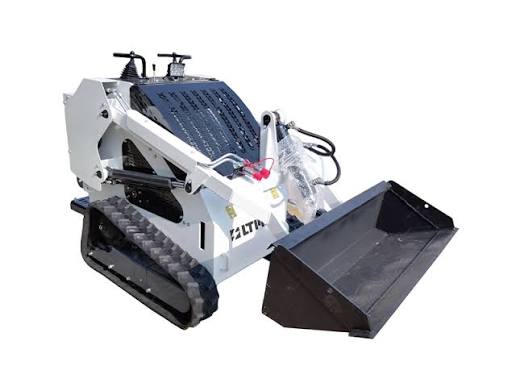
An Electric Skid Steer Loader uses rechargeable battery power instead of a conventional diesel engine, offering practical advantages for suitable construction applications. These machines can reduce exhaust emissions at the point of use, operate more quietly than comparable diesel models, and potentially lower certain operating expenses. Understanding their benefits and limitations helps contractors determine how electric equipment can support broader sustainability goals.
What Is Sustainable Construction?
Sustainable construction involves planning, designing, building, and maintaining structures in ways that reduce environmental impacts while supporting economic efficiency and occupant well-being.
It considers the entire construction process, including material selection, energy consumption, water use, waste management, transportation, and equipment operation.
Construction machinery is an important part of this process because fuel consumption and equipment emissions can contribute to a project’s environmental footprint. Selecting appropriate equipment and managing its use efficiently can help contractors make measurable improvements.
Electric construction equipment is one option within a broader sustainability strategy. Its benefits are greatest when combined with responsible material management, efficient project planning, and suitable energy sources.
1. Reducing Exhaust Emissions at Construction Sites
One of the main environmental advantages of electric skid steer loaders is that they produce no exhaust emissions during normal electric operation.
Diesel-powered construction machinery releases exhaust pollutants during use. These emissions can affect local air quality, particularly when equipment operates near buildings, workers, residents, or other sensitive locations.
Electric loaders eliminate direct engine exhaust at the point of use, making them useful for selected construction projects where reducing local emissions is a priority.
However, this does not mean that electric machinery has zero environmental impact. Electricity generation, battery manufacturing, equipment production, and battery disposal also contribute to its overall footprint.
2. Improving Air Quality in Indoor Work Environments
Indoor construction and renovation projects can present challenges when equipment produces exhaust emissions in enclosed or partially enclosed spaces.
Electric skid steer loaders can help address this concern because their battery-powered operation does not generate diesel exhaust. They may be suitable for warehouse renovations, industrial facilities, commercial interiors, and other applications where compact equipment is required.
Improved local air quality can support healthier working conditions, although it does not remove every airborne hazard. Construction dust, fumes from other machinery, and emissions from building materials may still require ventilation and additional controls.
Before using an electric loader indoors, contractors should verify the machine’s dimensions, floor-loading requirements, operating limitations, and suitability for the specific environment.
3. Supporting Lower-Noise Construction Practices
Noise pollution can affect construction workers, nearby residents, businesses, and public facilities. Electric skid steer loaders generally operate more quietly than comparable diesel-powered machines because they do not have a diesel engine running during operation.
This can be beneficial for residential developments, hospitals, schools, commercial buildings, and projects subject to local noise restrictions.
Lower equipment noise may also make communication easier around the worksite. Nevertheless, hydraulic systems, reversing alarms, attachments, tires, and contact with construction materials can still generate considerable sound.
Contractors should evaluate actual equipment noise levels and comply with applicable regulations rather than assuming that electric machinery is silent.
4. Improving Energy Efficiency
Energy efficiency is an important part of sustainable construction because it influences both operating expenses and environmental impacts.
Electric skid steer loaders use electricity stored in a rechargeable battery. Depending on the machine and working conditions, their electric drive systems can use energy efficiently and avoid some losses associated with conventional engine operation.
Actual energy consumption depends on several factors:
- Battery capacity and motor efficiency.
- Load weight and frequency of lifting.
- Travel distance and ground conditions.
- Hydraulic attachment requirements.
- Operator habits and idle time.
- Ambient temperature and charging efficiency.
Contractors can improve efficiency by selecting appropriately sized equipment, reducing unnecessary travel, planning material movements, and scheduling charging around work breaks.
Measuring energy consumption per operating hour or per completed task can help project managers assess whether equipment is delivering the expected efficiency benefits.
5. Reducing Certain Operating and Maintenance Costs
Sustainable construction also involves using resources efficiently over the life of a project. Equipment that costs less to operate may help businesses allocate resources more effectively while maintaining productivity.
Electric skid steer loaders do not require diesel fuel and eliminate several conventional engine maintenance tasks, such as engine oil changes and diesel fuel filter replacements.
Depending on local electricity prices and the machine’s utilization, these differences may reduce operating expenses.
However, buyers must consider the initial purchase price, charging infrastructure, electricity costs, battery servicing, eventual battery replacement, and other maintenance requirements. Hydraulic components, tires or tracks, attachments, and electrical systems still need regular care.
A total cost of ownership assessment provides a more reliable comparison than focusing on energy costs alone.
6. Supporting Sustainable Indoor and Urban Projects
Construction in cities and developed areas often involves restricted access, nearby occupants, and limited space for machinery. Compact electric skid steer loaders can help contractors manage these conditions when their dimensions and performance match the task.
Their maneuverability can support material handling, debris removal, landscaping, and selected renovation activities. Reduced on-site exhaust emissions and lower operating noise can also be valuable in sensitive environments.
For example, a contractor renovating a commercial building may use an electric loader to move suitable construction materials through an accessible work area without introducing diesel exhaust from the machine.
The suitability of any model depends on its lifting capacity, operating width, turning clearance, battery runtime, and compatibility with the required attachments.
7. Helping Construction Businesses Meet Environmental Requirements
Construction projects may be subject to environmental specifications, local emissions rules, noise restrictions, or sustainability commitments established by clients.
Electric skid steer loaders can help meet certain requirements by eliminating direct exhaust emissions during use and generally reducing equipment noise.
However, the exact benefits depend on the project’s location, regulations, and contractual obligations. An electric machine does not automatically guarantee compliance with every environmental standard.
Contractors should review project requirements before purchasing or deploying equipment and retain relevant documentation about energy consumption, machine specifications, and operating practices.
8. Considering the Full Environmental Impact of Batteries
Although electric equipment offers advantages at the worksite, batteries also have environmental implications that should be considered as part of a sustainability assessment.
Battery production requires raw materials, energy, and industrial processing. The environmental impact varies with battery chemistry, manufacturing methods, electricity sources, and supply chains.
Battery lifespan also matters. A battery that remains useful for a longer period may reduce the frequency of replacement, while proper end-of-life management can support responsible material recovery.
Construction businesses can address these issues by reviewing battery warranties, expected service life, repair options, recycling arrangements, and supplier information.
Responsible battery management helps ensure that sustainability decisions account for more than direct operating emissions.
9. Combining Electric Equipment With Renewable Energy
The environmental benefits of electric skid steer loaders can be influenced by how the charging electricity is generated.
Charging from electricity produced with a high share of renewable energy can reduce associated greenhouse gas emissions compared with charging from more carbon-intensive electricity sources.
Where practical, construction businesses may explore renewable electricity contracts, suitable on-site solar installations, or charging arrangements connected to lower-carbon energy supplies.
The feasibility of these options depends on the project’s duration, electrical infrastructure, available space, local energy tariffs, and charging demand.
Even when renewable charging is not immediately available, efficient operation and well-planned charging can help avoid unnecessary energy consumption.
10. Reducing Waste Through Better Equipment Planning
Sustainable construction requires more than choosing low-emission machinery. Reducing material waste and unnecessary equipment movement can also improve resource efficiency.
A skid steer loader with compatible attachments can perform multiple tasks, potentially reducing the need to bring separate machines onto a site for every activity.
For example, a suitable loader may move aggregates, transport pallets, clear debris, and clean designated surfaces by using different approved attachments.
This flexibility can simplify equipment scheduling and material handling. However, it does not automatically reduce the number of machines required on every project. The outcome depends on workload, machine capacity, attachment changes, and project logistics.
Contractors should plan equipment use around actual requirements to avoid unnecessary transport, idle time, and duplicated work.
11. Improving Sustainability Through Operator Training
Operator behavior influences energy consumption, equipment wear, and overall jobsite performance. Even efficient electric machinery can waste energy when used inefficiently.
Training should cover smooth driving, appropriate travel speeds, correct attachment use, load limits, battery monitoring, and safe charging practices.
Operators can also improve efficiency by minimizing unnecessary repositioning and reporting mechanical problems early. Preventive maintenance helps keep equipment functioning as intended and may reduce premature component replacement.
Regular performance reviews can help project managers identify opportunities to improve equipment utilization and reduce wasted time or energy.
12. How to Evaluate Electric Skid Steer Loaders for Sustainable Construction
Before selecting an electric skid steer loader, contractors should evaluate both environmental benefits and practical operating requirements.
The following considerations can help guide the decision:
| Evaluation factor | What to examine |
|---|---|
| Direct emissions | Whether the project requires reduced on-site exhaust emissions |
| Energy consumption | Electricity use under realistic working conditions |
| Charging access | Available electrical supply, charging time, and infrastructure costs |
| Machine capability | Rated operating capacity, hydraulic performance, and attachment compatibility |
| Noise levels | Suitability for residential, indoor, or noise-sensitive sites |
| Battery lifespan | Expected service life, warranty coverage, and replacement arrangements |
| Maintenance | Scheduled servicing, repair requirements, and parts availability |
| Total environmental impact | Electricity generation, battery production, and end-of-life management |
| Operating costs | Purchase price, energy, maintenance, and downtime |
Comparing these factors helps businesses determine whether electric equipment is a practical part of their sustainability strategy.
Frequently Asked Questions
Are electric skid steer loaders environmentally friendly?
They can reduce environmental impacts associated with direct exhaust emissions and operating noise. Their overall environmental performance also depends on electricity generation, battery manufacturing, equipment lifespan, and end-of-life battery management.
Can electric skid steer loaders be used on large construction sites?
Yes, provided the machine’s capacity, runtime, hydraulic performance, and charging arrangements meet the project’s requirements. Larger projects may still need diesel machinery or specialized equipment for tasks beyond the electric loader’s capabilities.
Do electric skid steer loaders reduce carbon emissions?
They produce no exhaust emissions at the point of use, but their total greenhouse gas emissions depend partly on the electricity used for charging and the environmental impact of manufacturing the battery and machine. Charging with lower-carbon electricity can improve their overall emissions profile.
Are electric skid steer loaders suitable for indoor construction?
Many electric models are suitable for indoor tasks because they do not produce diesel exhaust during operation. Contractors must still evaluate ventilation needs, dust exposure, floor loading, access dimensions, and the machine’s operating specifications.
How can contractors maximize the sustainability benefits of electric equipment?
Contractors can select appropriately sized machinery, reduce unnecessary travel, maintain equipment regularly, plan charging efficiently, train operators, and consider lower-carbon electricity sources. Responsible battery servicing and recycling are also important.
Conclusion
Electric skid steer loaders can support sustainable construction by reducing direct exhaust emissions, generally lowering operating noise, and potentially improving energy efficiency and maintenance costs. Their compact design and attachment versatility can also make them useful for material handling, indoor renovation, and selected urban construction tasks.
However, sustainability depends on the entire equipment lifecycle rather than the power source alone. Battery production, electricity generation, maintenance, and end-of-life management all influence environmental performance.
By evaluating machine specifications, charging infrastructure, operating conditions, and total ownership costs, construction businesses can make informed decisions about incorporating electric equipment into their projects. Combined with efficient planning, responsible material management, and operator training, these machines can contribute to a more sustainable approach to construction.