
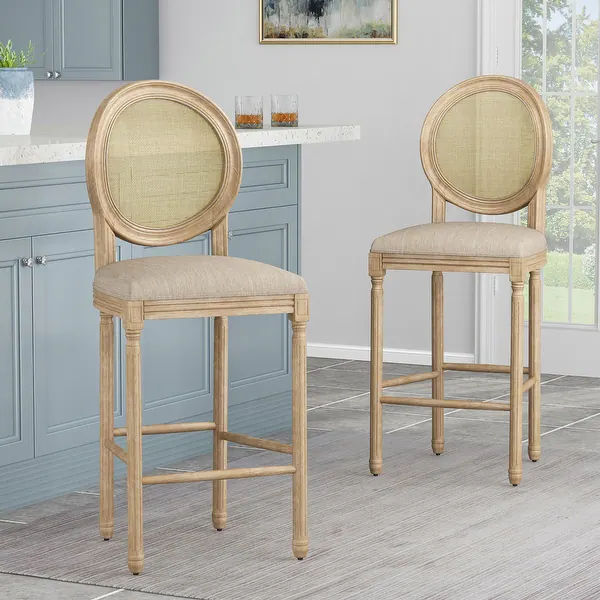
Creating high-quality bar furniture involves much more than producing tables and chairs. Every successful piece goes through a detailed process that combines creative design, material selection, skilled craftsmanship, and quality testing. From the first idea to the final product, each stage contributes to creating furniture that meets the needs of modern hospitality businesses.
A professional bar furniture manufacturer helps transform design concepts into practical furniture solutions for bars, restaurants, hotels, and cafés. By combining industry experience with advanced production methods, manufacturers create products that balance style, comfort, durability, and functionality.
Understanding the Initial Design Concept
Every furniture project begins with an idea. Businesses, designers, and architects usually define the desired style, function, and atmosphere they want to create.
During the concept stage, manufacturers consider:
- Interior design theme
- Space limitations
- Customer comfort requirements
- Expected usage level
- Brand identity
This planning stage helps ensure that the final furniture fits the overall environment and purpose of the venue.
Developing Design Plans and Specifications
After understanding the project requirements, manufacturers create detailed designs and specifications. This stage turns creative ideas into practical production plans.
Design considerations may include:
- Furniture dimensions
- Structural requirements
- Material selection
- Color options
- Finishing details
- Production methods
Accurate planning helps prevent design issues and ensures the furniture can be produced efficiently.
Selecting the Right Materials
Material selection is one of the most important steps in furniture manufacturing. The right materials influence appearance, comfort, durability, and maintenance needs.
Common materials include:
- Solid wood for classic and premium designs
- Metal for strength and modern styles
- Upholstery materials for comfort
- Glass for contemporary looks
- Weather-resistant materials for outdoor spaces
Manufacturers choose materials based on the furniture’s intended use and environmental conditions.
Creating Prototypes and Samples
Before full production begins, many manufacturers create prototypes or samples. This allows designers and businesses to evaluate the product before committing to a larger order.
Prototype reviews help identify:
- Design improvements
- Comfort adjustments
- Material changes
- Structural modifications
- Finishing preferences
This step ensures the final product matches the original vision.
Manufacturing and Assembly Process
Once the design is approved, production begins. Skilled workers and modern equipment work together to transform raw materials into finished furniture.
The manufacturing process may include:
- Cutting and shaping materials
- Building structural frames
- Applying finishes
- Installing upholstery
- Assembling final components
Careful production methods help maintain consistency and quality across every piece.
Quality Control and Testing
Quality control is essential to ensure furniture meets commercial standards. Manufacturers inspect products at different stages to identify and correct potential issues.
Quality checks may include:
- Material inspections
- Frame stability testing
- Surface finish evaluation
- Comfort assessment
- Final product inspection
These procedures help ensure the finished furniture is safe, durable, and reliable.
Packaging and Delivery Preparation
Once furniture passes inspection, it is carefully prepared for transportation. Proper packaging protects products from damage during shipping and handling.
Manufacturers focus on:
- Protective packaging materials
- Secure product arrangement
- Shipping preparation
- Delivery coordination
Effective logistics help ensure furniture arrives in excellent condition.
Installation and Final Project Support
For large hospitality projects, manufacturers may provide guidance during installation. Proper setup ensures furniture functions correctly and maintains its intended appearance.
Support may include:
- Installation instructions
- Product information
- Replacement assistance
- Future ordering support
This helps businesses maintain their furniture investment over time.
The Value of Working With an Experienced Manufacturer
An experienced manufacturer provides more than production services. They offer knowledge, problem-solving ability, and technical expertise that help bring complex furniture ideas to life.
Benefits include:
- Better design recommendations
- Improved production efficiency
- Consistent quality
- Customized solutions
- Reliable project management
A strong manufacturing partner can make the entire process smoother from concept development to final delivery.
Final Thoughts
The journey from design concept to finished bar furniture involves careful planning, expert craftsmanship, and strict quality control. Each stage plays an important role in creating furniture that meets the demands of commercial hospitality spaces.
By working with a reliable manufacturer, businesses can achieve furniture solutions that combine attractive design, lasting durability, and practical functionality, helping create welcoming environments for customers.