
Products face several risks after they leave a manufacturing facility. Handling, stacking, vibration, compression, and movement during transportation can all affect the condition of packaged goods. A well-designed shipping case helps reduce these risks by keeping products contained and providing structural support.
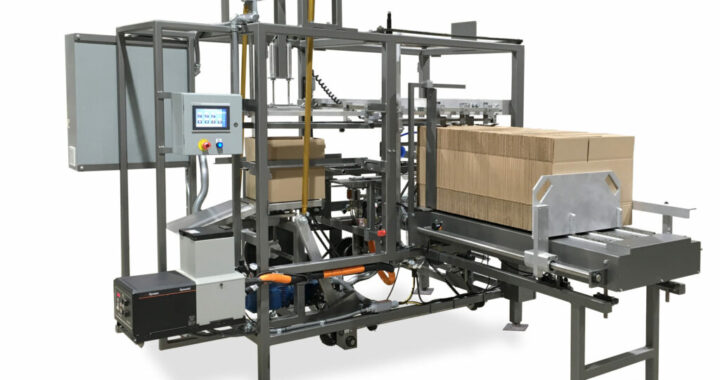
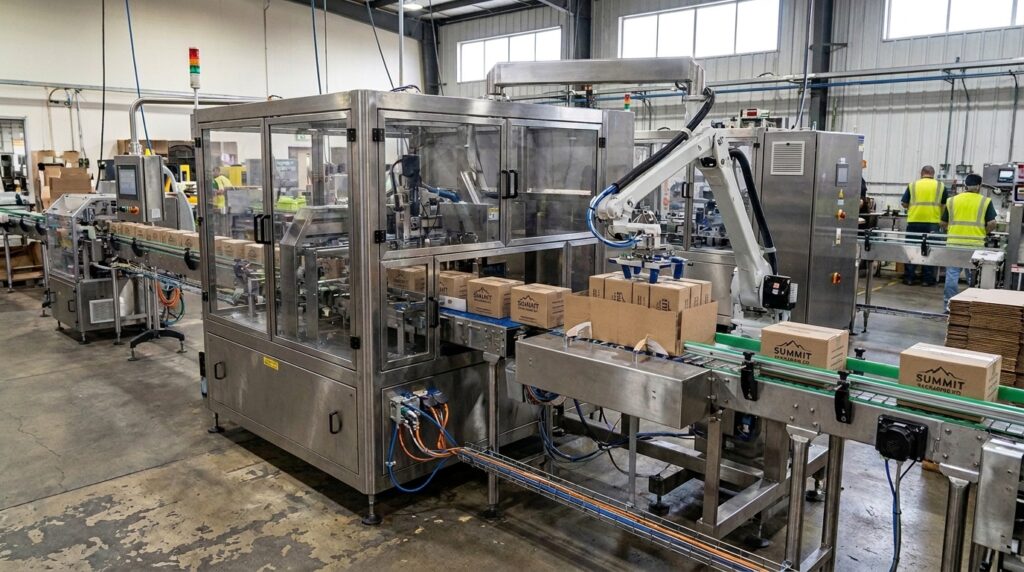
A wrap around case packer forms corrugated material tightly around a group of products, creating a secure outer package for transportation. The machine helps maintain consistent case formation, which supports product stability and reduces packaging variations that could contribute to damage during distribution.
How Case Formation Supports Product Protection
A shipping case needs to hold its shape throughout the distribution process. Loose panels, uneven folds, or weak seams can reduce the package’s ability to protect its contents.
Wrap-around packaging creates a close-fitting case around the product group. The corrugated board surrounds the products and forms a protective outer structure that helps manage external forces.
Consistent machine forming also matters because every case should follow the same dimensions and folding pattern. This uniformity helps create predictable packaging performance across large production runs.
Reducing Product Movement Inside the Case
Excessive movement inside a shipping case can increase the risk of scuffing, dents, breakage, or other product damage. A case that fits the product arrangement properly helps limit unnecessary shifting.
The packing pattern plays an important role here. Products should enter the case in a controlled arrangement so that the finished package provides appropriate support around the product group.
A properly formed case keeps the products together rather than allowing individual units to move independently during transportation.
Creating a Strong Outer Structure
Corrugated board provides the main structural layer around the products. Its strength and construction influence how well the finished case handles external pressure.
When manufacturers select an appropriate board grade and case design, the finished package can provide support against common distribution stresses.
Several factors influence the structural performance of the case:
- Corrugated board grade
- Flute construction
- Case dimensions
- Product weight
- Product arrangement
- Score-line quality
- Adhesive bond strength
The machine and packaging material need to work together. Strong board alone cannot compensate for poor case formation or an unsuitable package design.
Helping Cases Handle Stacking Pressure
Shipping cases often spend time stacked on pallets or inside storage areas. Lower cases may carry the weight of multiple packages above them.
Consistent case geometry helps distribute loads through the package structure. Properly formed corners, panels, and seams contribute to the case’s ability to maintain its shape under pressure.
Case dimensions also matter. Oversized empty areas can allow products to move and may reduce packaging efficiency, while a properly planned configuration can provide better internal support.
Protecting Products From Handling Forces
Packages rarely travel directly from a production line to their final destination. They may pass through conveyors, palletizing systems, warehouses, loading areas, trucks, and distribution centers.
During these stages, packages may experience impacts, vibration, and repeated handling. A secure outer case helps keep the product group together as the package moves through the supply chain.
Consistent case construction also makes packages easier to handle with automated equipment and palletizing systems.
Why Secure Gluing Matters
The adhesive joint plays an important role in maintaining case integrity. After the corrugated blank folds around the products, adhesive helps secure the panels in their intended position.
An inconsistent glue application can create weak seams or cause panels to separate during handling. Machine-controlled application helps maintain more consistent adhesive placement across production runs.
The adhesive itself should also match the board, production speed, environmental conditions, and packaging requirements.
Maintaining Consistent Case Dimensions
Packaging consistency contributes directly to shipping performance. Cases with significantly different dimensions may create unstable pallet loads or inefficient use of storage space.
Automated case packing helps repeat the same forming sequence for each package. Consistent dimensions make it easier to organize finished cases and create predictable pallet configurations.
This consistency can also simplify downstream handling because conveyors, palletizers, and other equipment can work with more uniform packages.
Choosing the Right Board for Shipping Conditions
The machine creates the case, but the corrugated material determines much of its structural performance. Manufacturers should select board according to the product and distribution environment.
A package traveling through humid conditions may require different material characteristics from one shipped through a dry environment. Heavy products may also require stronger board than lightweight goods.
Packaging teams should evaluate the expected shipping conditions before finalizing the board specification.
Product Arrangement Makes a Difference
The way products sit inside a case affects how forces travel through the package. A carefully planned arrangement can help prevent excessive movement and distribute pressure more evenly.
For example, products packed in consistent rows can create a more stable internal structure than products placed with significant empty space between units.
Manufacturers should consider product dimensions, quantity per case, orientation, and any necessary internal protection when developing the case configuration.
Reducing Packaging Defects Through Automation
Manual packing can introduce variations in folding, product placement, glue application, and case closure. These variations may become more noticeable as production volumes increase.
Automated packaging equipment helps standardize these steps. A properly configured machine repeats the same process across successive cases, supporting consistent quality.
Techflow Pack provides packaging equipment solutions designed around automated case packing requirements. Manufacturers can evaluate machine configuration alongside their product, case design, and production targets.
Inspecting Finished Cases Before Shipment
Even with automated equipment, quality checks remain important. Operators should regularly inspect finished cases for signs that could affect shipping performance.
Useful inspection points include:
- Case dimensions and overall shape
- Folding accuracy
- Glue bond consistency
- Product positioning
- Board damage or crushed areas
- Open flaps or loose panels
- Case stability during stacking
Regular inspection can identify packaging problems before large quantities reach the warehouse or distribution network.
Designing Packaging for the Entire Supply Chain
Product protection starts with the case design but extends throughout the distribution process. Manufacturers should consider how packages will move, stack, store, and reach customers.
A package that performs well on the production line may still need adjustments when shipping conditions change. Transportation distance, pallet configuration, warehouse conditions, and handling methods can all influence the final packaging requirements.
This broader approach helps manufacturers develop cases that support both production efficiency and product protection.
The Role of Techflow Pack in Automated Case Packing
Selecting suitable equipment involves more than choosing a machine based on production speed. Manufacturers should consider case dimensions, product characteristics, board specifications, packaging configuration, and downstream handling requirements.
Techflow Pack can help manufacturers evaluate wrap-around case packing applications based on their specific packaging needs. Proper equipment selection combined with suitable corrugated board and case design can create a more consistent shipping package.
Final Thoughts
A shipping case protects products through several combined features. Strong corrugated material provides the outer structure, accurate folding creates consistent geometry, secure adhesive joints hold the case together, and proper product positioning limits unnecessary movement.
A well-configured automated packing process brings these elements together consistently. By matching the machine, board, case design, and product arrangement, manufacturers can create packages that provide reliable support throughout handling, storage, and transportation.