
Choosing the right toy manufacturing partner is an important decision for businesses looking to develop high-quality products, control costs, and maintain consistent supply chains. Whether you sell educational toys, plush animals, plastic figures, or customized playsets, your manufacturer’s capabilities can directly affect product quality, delivery schedules, and customer satisfaction.
Working with a China Toy Manufacturer can provide access to established production facilities, diverse material options, and customization services. However, finding a reliable partner requires careful research, clear communication, and a thorough understanding of manufacturing standards. Evaluating potential suppliers before placing an order helps reduce risks and supports long-term business growth.
1. Define Your Toy Manufacturing Requirements
Before contacting suppliers, establish exactly what your business needs. Different manufacturers specialize in different product categories, production methods, and order volumes. A clear product brief makes it easier to identify factories with the right experience and resources.
Consider the following factors:
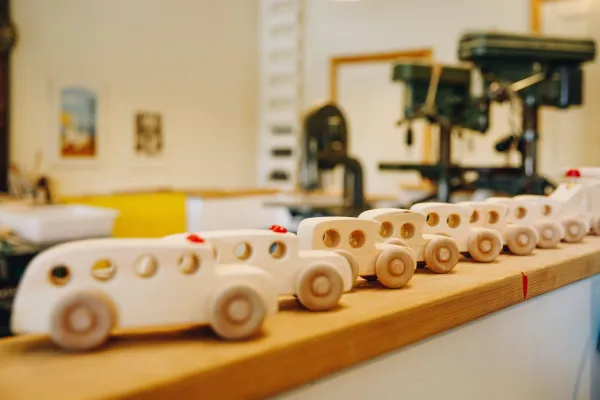
- Toy category: Determine whether you need wooden toys, electronic toys, plush products, educational toys, or plastic toys.
- Customization requirements: Identify whether you need custom molds, branded packaging, unique colors, or original designs.
- Order quantity: Estimate your initial order volume and expected future demand.
- Target market: Consider the safety regulations and consumer expectations in the countries where you plan to sell.
- Budget and timeline: Establish realistic production costs, shipping budgets, and delivery deadlines.
Having these details ready helps manufacturers provide more accurate quotations and reduces misunderstandings during development.
2. Research the Manufacturer’s Experience and Reputation
A manufacturer’s background can reveal important information about its reliability. Look for suppliers with relevant experience in your product category, a documented business history, and a clear understanding of international export requirements.
Review company websites, product catalogs, business registrations, and available customer references. Trade directories and industry exhibitions can also help you identify potential suppliers, but listings alone should not be treated as proof of manufacturing capability.
Verify Factory Capabilities
One important step is determining whether you are dealing directly with a factory or through a trading company. Both can be useful, depending on your needs, but their services and levels of control may differ.
Ask potential suppliers about their production equipment, workforce, quality management procedures, and subcontracting arrangements. If possible, arrange a factory visit or an independent inspection to verify that the facility can meet your requirements.
A reliable supplier should answer questions clearly and provide reasonable evidence to support its claims.
3. Evaluate Toy Safety and Quality Standards
Toy safety should be a priority, particularly when products are intended for young children. Requirements vary by destination market, product type, age group, and intended use, so confirm the applicable regulations before production begins.
For example, toys sold in the United States may need to comply with applicable Consumer Product Safety Commission requirements, including relevant provisions of ASTM F963. Toys marketed in the European Union must meet applicable toy safety legislation and conformity requirements.
Depending on the product and market, relevant checks may cover:
- Chemical restrictions and material safety.
- Small parts and choking hazards.
- Mechanical strength and durability.
- Flammability requirements.
- Electrical and battery safety for electronic toys.
- Labeling, age grading, and required warnings.
Request relevant test reports and certificates, then verify their authenticity, scope, and applicability to your specific product. A general quality certificate does not automatically prove that every toy meets all required safety standards.
4. Request Samples Before Confirming an Order
Product samples allow you to assess a manufacturer’s workmanship before committing to mass production. Photographs and product descriptions are useful for initial screening, but they cannot fully demonstrate material quality, durability, or finishing details.
Evaluate samples against your specifications, paying attention to stitching, paint application, edges, moving parts, packaging, and overall construction. For toys with electronic components, test functionality and battery performance where appropriate.
If the sample requires changes, provide written feedback and request an updated version. Once approved, document the final specifications and retain an approved reference sample for comparison during production.
This process helps establish clear expectations and reduces the likelihood of receiving products that differ from the original design.
5. Compare Pricing Beyond the Unit Cost
Price is an important consideration, but the lowest quotation does not always represent the best overall value. Manufacturing costs depend on materials, labor, product complexity, tooling, packaging, order volume, and quality control requirements.
Request itemized quotations from several qualified suppliers so you can compare equivalent specifications. Clarify whether the quoted price includes custom molds, sample development, packaging, testing, inspection, and other potential charges.
Also review payment terms, minimum order quantities, production lead times, and shipping arrangements. Depending on the agreed Incoterm, transportation, insurance, customs clearance, duties, and other expenses may be handled by different parties.
A complete cost comparison provides a more realistic estimate of your total landed cost and helps you protect your profit margins.
6. Assess Communication and Production Transparency
Clear communication is essential when manufacturing products overseas. Differences in time zones, language, and business practices can create delays if expectations are not established early.
Pay attention to how promptly a supplier responds, whether its answers are specific, and how effectively it handles technical questions. A dependable partner should be willing to discuss production limitations, material alternatives, potential risks, and realistic delivery schedules.
Before placing an order, agree on a written production timeline that covers sample approval, material sourcing, manufacturing, quality inspections, and shipment preparation.
Regular progress updates and documented change approvals can help prevent misunderstandings and make it easier to address problems before they affect delivery.
7. Establish a Strong Quality Control Process
Even a manufacturer with a good reputation needs a consistent quality control system. Defects can occur because of material variations, assembly errors, equipment issues, or changes in production conditions.
Discuss how the factory checks incoming materials, monitors production, and inspects finished goods. Depending on the order size and product risks, you may also consider using an independent inspection company.
A practical quality control plan may include:
- Pre-production checks: Confirm materials, colors, components, and approved samples.
- During-production inspections: Identify manufacturing issues before large quantities are completed.
- Final inspections: Check workmanship, quantities, packaging, labeling, and agreed specifications.
- Corrective actions: Define how defective products will be handled, repaired, replaced, or otherwise resolved.
Set measurable acceptance criteria in the purchase agreement rather than relying on general promises about product quality.
8. Review Production Capacity and Delivery Reliability
A supplier may produce excellent samples but struggle to fulfill larger orders on schedule. Before selecting a manufacturer, determine whether its capacity matches your current requirements and anticipated growth.
Ask about typical lead times, peak-season capacity, material availability, and its approach to handling urgent orders. Find out whether critical components are produced in-house or sourced from third parties.
It is also useful to understand how the factory manages unexpected delays, equipment failures, or supply shortages. A transparent supplier should communicate potential problems early and explain the available solutions.
For businesses with seasonal demand, such as holiday toys or back-to-school products, production planning is particularly important because delays can result in missed sales opportunities.
9. Protect Your Designs and Business Interests
Businesses developing original toys should take steps to protect their intellectual property before sharing detailed designs with potential suppliers.
Depending on the circumstances, this may involve confidentiality agreements, manufacturing contracts, trademark protection, design rights, or patents. The appropriate protections vary by jurisdiction and by the type of intellectual property involved.
Your agreement should clearly define ownership of custom molds, artwork, product designs, and tooling paid for by your business. It should also address unauthorized production, subcontracting, confidentiality, and the permitted use of your branding.
Use written contracts that specify product requirements, pricing, payment milestones, delivery terms, inspection procedures, and remedies for nonconforming goods. For significant orders, consider obtaining legal advice from a professional familiar with cross-border manufacturing.
10. Build a Long-Term Manufacturing Relationship
A reliable manufacturing partnership develops through consistent performance, clear expectations, and mutual accountability. Rather than evaluating a supplier solely on its first quotation, assess how well it manages samples, production updates, quality concerns, and after-sales issues.
Start with a manageable order when practical, then review the results before increasing order volumes. Track performance indicators such as defect rates, on-time delivery, responsiveness, and the frequency of production issues.
Regular reviews can help both parties identify opportunities to improve efficiency, reduce waste, and maintain consistent product standards. A stable relationship may also make future product development and production planning easier.
Common Mistakes to Avoid When Choosing a Toy Manufacturer
Several avoidable mistakes can increase costs or create unnecessary risks during the sourcing process.
- Choosing based on price alone: Extremely low quotations may reflect differences in materials, specifications, or included services.
- Skipping sample approval: Mass production without a verified sample increases the risk of receiving unsuitable products.
- Ignoring compliance requirements: A toy that meets one market’s requirements may not automatically satisfy another market’s regulations.
- Relying on verbal agreements: Unwritten promises can be difficult to enforce when disagreements arise.
- Failing to inspect production: Problems discovered after shipment can be expensive and time-consuming to resolve.
- Overlooking shipping costs: Manufacturing costs are only one part of the total procurement budget.
Taking time to address these issues before ordering can improve purchasing decisions and reduce supply chain uncertainty.
Conclusion
Choosing a reliable toy manufacturer in China requires more than comparing prices or browsing product catalogs. Businesses should evaluate manufacturing experience, verify safety and quality requirements, test samples, assess communication, and establish clear contractual protections.
A structured sourcing process makes it easier to identify suppliers that can deliver consistent quality, meet production deadlines, and support future growth. By conducting appropriate due diligence and maintaining clear standards throughout the manufacturing process, businesses can build stronger supplier relationships and make more informed long-term sourcing decisions.