
Latin dancing is a powerful combination of rhythm, movement, confidence, and self-expression. From the elegance of the rumba to the energy of the samba, every dance style allows performers to communicate their individuality. Footwear plays an important role in this experience, offering not only the support needed for precise movements but also an opportunity to express personal taste through color, material, and design.
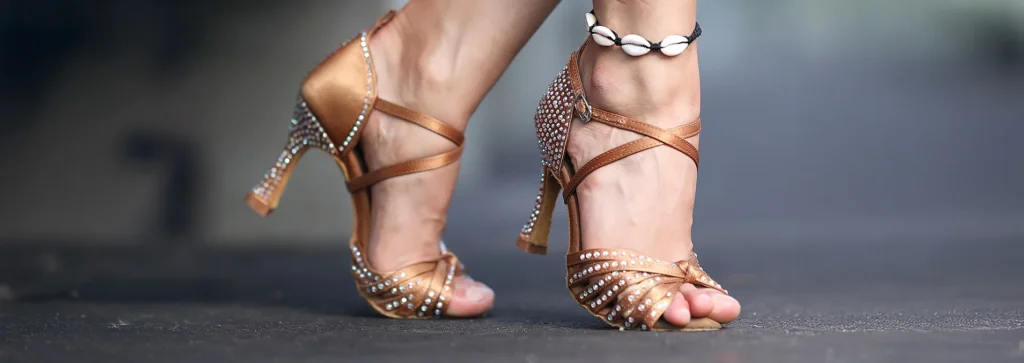
Designing a pair of Custom Latin Dance Shoes allows dancers to combine practical requirements with their own sense of style. Whether you prefer understated elegance, bold colors, or distinctive decorative details, a personalized design can reflect your personality while addressing your comfort and performance needs. The key is to balance visual appeal with the functional features that make dance footwear suitable for regular practice and performances.
Start With Your Personal Dance Style
Your preferred dance style can provide a useful starting point when designing personalized footwear. Different Latin dances involve distinct rhythms, movements, and performance characteristics, which may influence your choice of shoe shape, heel height, and decorative elements.
For example, a dancer who enjoys the expressive movements of the rumba may prefer a refined design with subtle detailing. Someone who performs energetic salsa routines might favor a more vibrant appearance that reflects the dance’s lively character.
Consider the styles you perform most often and the environments in which you dance. Your shoes should complement your personality without compromising the movement and stability required by your preferred discipline.
Choose Colors That Reflect Your Personality
Color is one of the easiest ways to make dance shoes feel personal. The right shade can complement performance outfits, highlight your individual style, or create a distinctive appearance on the dance floor.
Consider these popular color directions:
- Classic black: A versatile choice that works with many costumes and creates a sophisticated appearance.
- Elegant nude tones: These can create a visually elongated leg line, depending on the dancer’s skin tone and the footwear design.
- Bold red: A striking option for performers who enjoy confident, attention-grabbing looks.
- Metallic gold or silver: These finishes can add brightness and visual impact under stage lighting.
- Pastel shades: Soft pink, lavender, and similar colors can create a delicate, understated aesthetic.
- Custom color combinations: Contrasting straps, accents, or trim can make a design more distinctive.
Before settling on a color, think about your existing dance wardrobe and whether you need shoes for multiple performances or a specific costume. A versatile base color with personalized accents can offer flexibility without sacrificing individuality.
Select Materials That Match Your Needs
The material of a dance shoe influences its appearance, flexibility, durability, and maintenance requirements. Choosing the right material helps ensure that your design looks appealing while remaining practical for repeated use.
Satin for a Refined Appearance
Satin is a popular choice for dance footwear because of its smooth finish and elegant appearance. It can complement formal costumes and create a polished look for competitions or stage performances.
However, satin may require careful handling to avoid stains, scuffs, and visible wear. Dancers who choose this material should consider how frequently the shoes will be used and how much maintenance they are prepared to provide.
Leather for Structure and Versatility
Leather offers a different visual character and may provide a structured feel, depending on its construction. It is available in various finishes and can suit dancers who prefer a classic look with practical everyday appeal.
The quality, flexibility, and care requirements depend on the particular leather and shoe design. Always consider the material’s intended use rather than choosing solely by appearance.
Synthetic Materials for Design Flexibility
Some synthetic materials offer a wide range of colors, textures, and finishes. They may also make certain decorative effects easier to achieve.
Compare flexibility, breathability, durability, and cleaning requirements before deciding. The best material is one that complements your preferred aesthetic while supporting comfortable movement.
Find the Right Heel Height and Shape
Heel design can have a significant effect on how Latin dance shoes look and feel. A slim heel may create an elegant silhouette, while a broader design may offer a different balance and support experience.
The appropriate heel height depends on your technique, experience, ankle strength, and personal comfort. Beginners often benefit from a manageable height that allows them to develop balance and control. Experienced dancers may choose a different profile based on their established technique and performance requirements.
When personalizing heel design, consider the following factors:
- Height that suits your skill level and choreography.
- Placement that supports controlled weight transfer.
- Stability during turns and changes of direction.
- Compatibility with the shoe’s overall shape and construction.
A visually appealing heel should never come at the expense of safe movement. If you are experimenting with a new height, introduce it gradually during practice.
Personalize the Details Without Sacrificing Comfort
Small design choices can make dance shoes distinctive without overwhelming their overall appearance. Straps, finishes, stitching, and subtle embellishments can all contribute to a personalized look.
For example, a dancer who prefers minimalism might select clean lines, a single color, and understated straps. Someone with a more expressive style might choose contrasting trim, metallic accents, or decorative elements that coordinate with a performance costume.
Comfort should remain central to every decision. Straps must hold the foot securely without pinching, while decorative features should not rub against the skin or interfere with movement. Excessive embellishment may also add weight or create maintenance challenges, so consider how each detail affects practical use.
Match Your Shoes to Your Dance Wardrobe
A coordinated appearance can help create a polished performance. When designing personalized footwear, consider the colors, fabrics, and silhouettes of the outfits you wear most frequently.
If you regularly perform in different costumes, neutral shades or interchangeable styling accents may offer greater versatility. For dancers who compete in a particular costume, a more specific design can create a cohesive visual presentation.
Think about stage lighting as well. Metallic finishes and brighter colors may appear more prominent under strong lights, while darker shades can create a more understated effect. If possible, evaluate your design alongside the outfit you intend to wear.
The objective is not necessarily to match every detail. Instead, choose footwear that complements your overall appearance while allowing your dancing to remain the focus.
Consider Fit Before Finalizing the Design
Personal style matters, but proper fit is essential to comfortable and controlled dancing. Shoes that are too loose can slip during turns, while overly tight footwear may create pressure, restrict movement, or cause discomfort.
Measure both feet carefully and account for differences in length and width. Consider your arch shape, heel fit, and the way your weight shifts toward the forefoot during Latin dance movements.
If customization options are available, ask which measurements can be adjusted and whether the design accommodates your particular foot shape. It is also useful to confirm the manufacturer’s sizing guidance before placing an order.
A personalized design should enhance the experience of dancing, not require you to tolerate an uncomfortable fit for the sake of appearance.
Balance Creativity With Performance Requirements
The most successful custom designs combine individuality with practical functionality. Every design decision should support the demands of your dance routine and the conditions in which you perform.
Before finalizing your shoes, review these essential considerations:
- Movement: Ensure the construction allows the flexibility and articulation required by your dance style.
- Traction: Choose a sole appropriate for your usual dance floor, allowing controlled pivots without excessive slipping.
- Support: Check that the shoe holds your foot securely during turns and rapid directional changes.
- Durability: Consider whether the materials and decorative details can withstand regular practice.
- Maintenance: Select finishes and materials that suit the amount of care you can provide.
These practical checks help ensure that your footwear remains useful beyond its initial visual appeal.
Common Design Mistakes to Avoid
Personalizing dance shoes can be enjoyable, but certain choices may create problems if they are made without considering performance requirements.
One common mistake is selecting a heel solely because it looks attractive. An unsuitable height can make balance more difficult, particularly when performing unfamiliar movements. Another is adding decorative elements in areas where they may rub against the foot or become damaged through repeated use.
Choosing a material without understanding its maintenance needs can also lead to premature wear. Similarly, selecting colors without considering performance costumes may limit how frequently the shoes can be used.
Taking time to evaluate fit, construction, and intended use before committing to a design can help prevent these issues.
Final Thoughts
Designing Latin dance shoes that reflect your personality is an opportunity to bring individual style into every performance. Color, material, heel shape, straps, and decorative details can all help create a look that feels authentic to you.
The most effective approach is to begin with your dancing needs, establish a comfortable and suitable fit, and then build your preferred aesthetic around those requirements. By balancing creativity with function, you can choose footwear that complements your wardrobe, supports your movements, and helps you feel confident every time you step onto the dance floor.